The Illusion of Depth: Why Flashy Gains Don’t Equal Super Bowl Fortitude
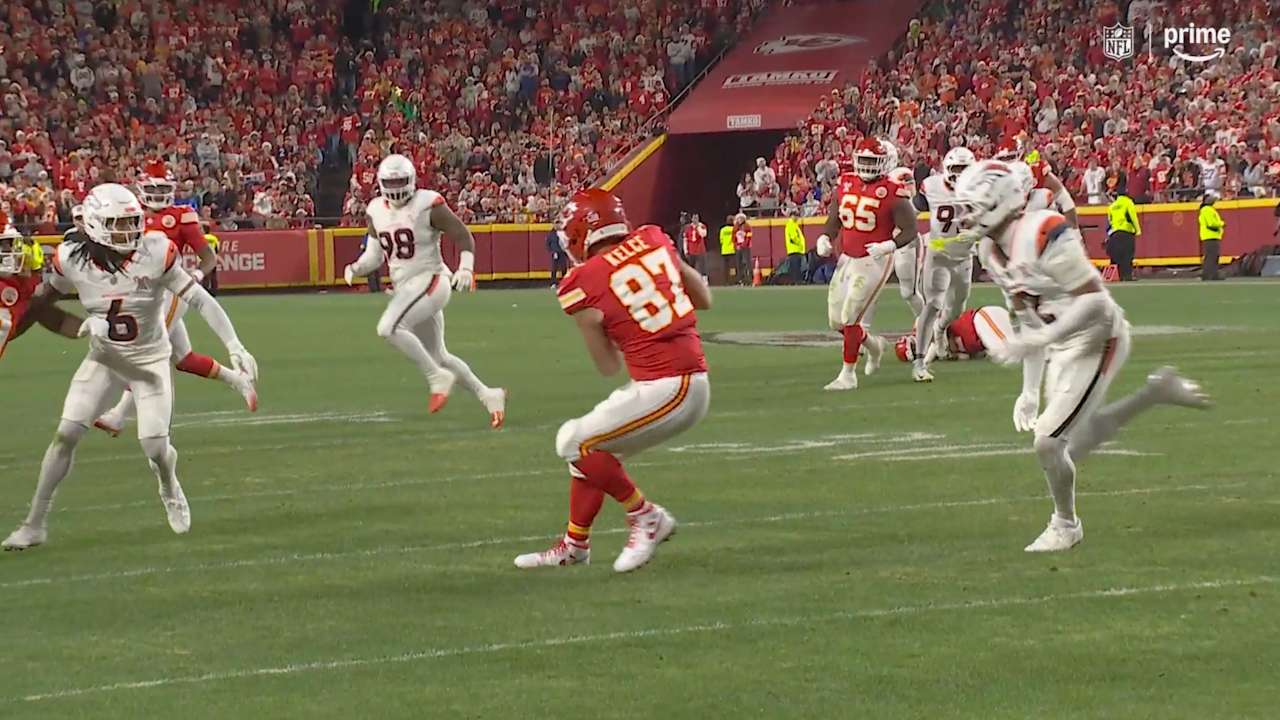
We watch these snippets, these flashes of brilliance—Kareem Hunt grinding out a tough five yards on fourth down, Travis Kelce snagging eleven yards on his first look, and Brashard Smith breaking a tackle for the end zone. It looks good on paper. It sells tickets. But what does it *really* tell the Cold Strategist about the Kansas City machine? Honestly? It tells me the engine is running hot and the spare parts aren’t interchangeable with the main components.
The Fourth Down Grind: Necessity or Design?
Kareem Hunt getting that crucial five yards. Big deal. That’s the baseline expectation for an NFL running back on a top-tier offense, not a crowning achievement worthy of lengthy analysis. Why was KC backed up to a fourth-and-long situation in the first place? Were the preceding three downs executed with the ruthless efficiency we are told defines this dynasty? Or were they just lucky breaks that necessitated a gritty, low-ceiling run to keep the drive breathing? When you have to rely on the sheer will of a back to scratch out five yards, it suggests the play-calling might be becoming predictable, too reliant on grinding out yards rather than surgically exposing weaknesses.
Look back at the history of dynasties. They choke teams out early. They don’t get into mud wrestling matches where one yard feels like a marathon victory. This fourth-down conversion, while strategically vital in the moment, whispers of inefficiency leading up to it. It’s putting a Band-Aid on a leaky faucet.
Kelce: Still the Safety Blanket?
Travis Kelce registers 11 yards on his first reception against Denver. And the media loses its collective mind. Is Kelce not supposed to catch passes? Isn’t he the cornerstone of this supposed revolutionary offense? When a superstar tight end’s *first* touch demands celebration, it means the initial offensive sequences failed to integrate him smoothly or, worse, that the quarterback looked his way first because other reads were covered or nonexistent. Are we now celebrating the predictable check-down? This offense hinges too heavily on Kelce bailing out subpar reads or broken routes elsewhere. If Kelce is neutralized—and teams *will* dedicate serious resources to neutralizing him—where does the offense pivot? Do they have five other viable options who demand double teams? I doubt it. This is a luxury problem that quickly becomes an existential threat when defenses tighten up in January.
The Brashard Smith Spark: A Symptom, Not a Cure
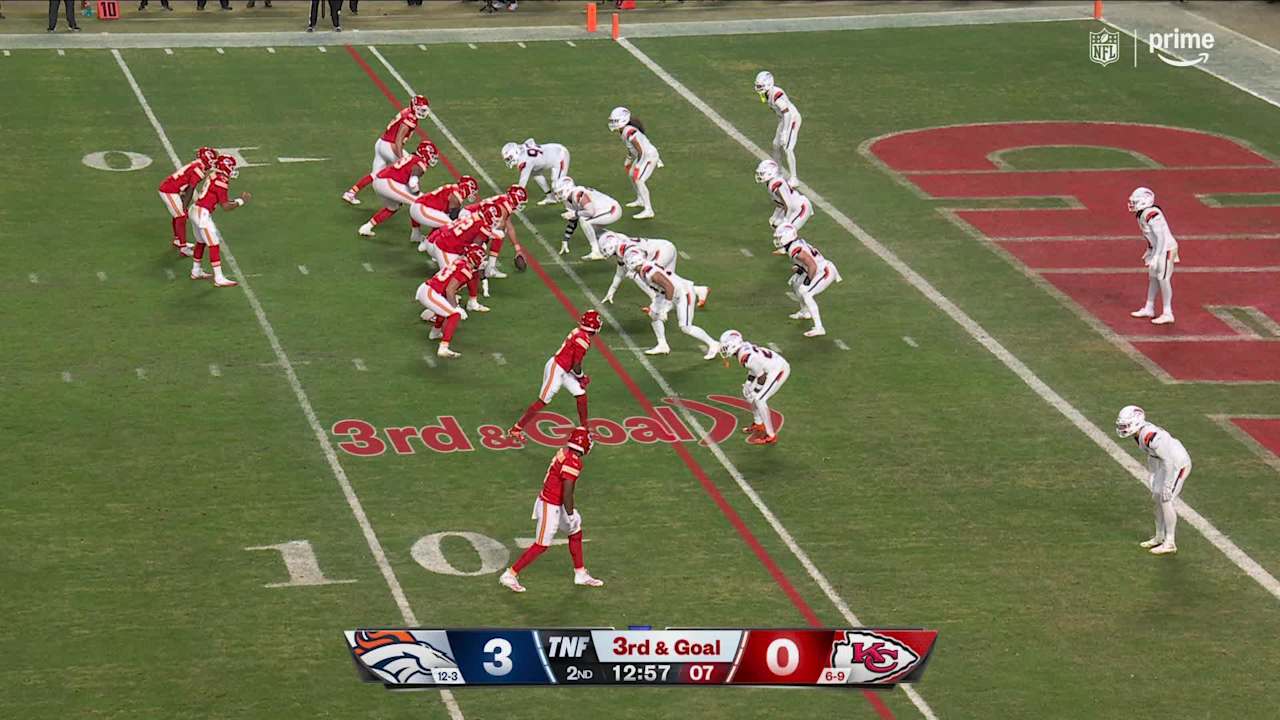
Then you have Brashard Smith breaking a tackle for a score. Fantastic individual effort. Pure grit. But this is where the strategy truly falls apart for the Chiefs’ management, assuming they are trying to build a sustainable machine. When a backup, or a less heralded player, has to turn a routine catch into a highlight reel score by breaking tackles, it reveals two things simultaneously. First, the blocking scheme might have sprung a leak. Second, the defense was likely caught flat-footed, perhaps focusing too much on the primary threats like Kelce or the established superstar WRs. It’s exciting, yes, but it’s noise. It distracts from the structural integrity.
We are rewarding individual heroics over systemic dominance. That’s how empires crumble slowly, one isolated burst of adrenaline at a time. Why wasn’t the play designed to spring Smith wide open without needing a tackle break? If the system is perfect, the star athlete doesn’t need to channel his inner freight train just to reach the goal line.
The Mirage of Offensive Flexibility
The content mentions Chris Oladokun scrambling right. Scrambling. The cardinal sin of a supposedly elite, precision-based passing attack. When the quarterback has to rely on pure improvisational athleticism to keep a drive alive, it means the initial five concepts or progressions dissolved into chaos. You pay top dollar for precision choreography; when you resort to playground football, you’ve surrendered strategic initiative. How long can you bank on that improvisation before one defender stays home instead of biting on the play-action, or before the scrambling QB takes a hit that ends the season? It’s a high-risk gamble masked as dynamic football.
This isn’t just about one game against the Broncos. This is a pattern. They rely on the spectacular recovery rather than the flawless execution. It’s the difference between a master architect building a skyscraper that withstands earthquakes and a clever carpenter slapping drywall over a cracked foundation.
The Long View: Future Shock is Inevitable
What happens when Hunt is gone? What happens when the defense decides to play relentlessly soft zones, daring the Chiefs to run the ball between the tackles methodically, waiting for one slip-up? They look impressive in the highlight reels against middling competition, but the Cold Strategist looks at the tape three weeks deep in December when the weather turns foul and the playbook gets stale. Are these players—Smith, Hunt—truly developing into indispensable cogs, or are they simply enjoying a temporary window where the entire defensive scheme is geared toward stopping Person A, allowing Person B and C to feast?
We have seen this script before. Teams peak on explosive, entertaining plays, only to get dissected when playoff intensity raises the stakes and the margin for error shrinks to zero. If you need a 5-yard grub on fourth down, your offense has limits. If you need a tackle-breaking touchdown from your ancillary pieces, your primary design is suspect. The Chiefs are currently winning on burst speed, but sustained power requires relentless, boring, strategic perfection. And frankly, the evidence presented here suggests they are coasting on talent rather than pure, cold strategy.
Is this sustainable when the league adjusts? Absolutely not. They are creating excellent individual moments, but they are ignoring the fundamental weakness of relying on those moments to paper over systemic deficiencies. It’s smoke and mirrors, folks. Pretty smoke, sure, but smoke nonetheless. When the fire spreads, those pretty little highlights won’t put it out. They need more than just a few guys making up plays; they need an entire machine functioning flawlessly. Are they there yet? Based on the constant need for these ‘grind-it-out’ conversions, the answer is a definitive ‘not even close.’ We need to see dominance, not desperation masked as grit. This reliance on last-second heroics is a ticking time bomb waiting for the right, disciplined opponent to light the fuse. They are tempting fate weekly. It’s thrilling television, but terrible strategy.