THE KANSAS CITY SMOKESCREEN: CELEBRITY OVER GRIT
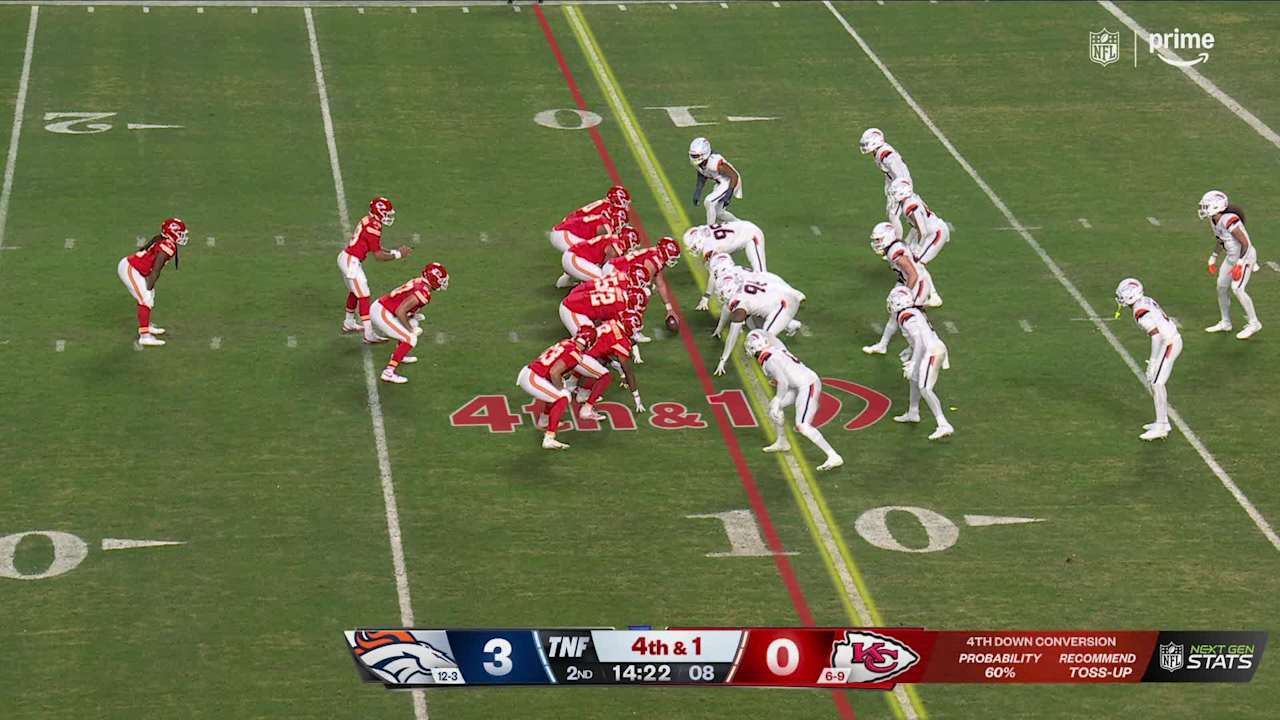
The obsession with the gilded partnership between the golden-armed quarterback and the tight end who has inexplicably become a global pop-culture phenomenon, often eclipsing every single legitimate piece of football news emanating from the Kansas City Chiefs organization, completely ignores the gritty, underground tectonic shifts happening in the backfield, demonstrated acutely by the violent, tackle-shredding 5-yard surge of Kareem Hunt, a ghost of seasons past, executing a fourth-down conversion with the kind of desperate, raw power that only comes from knowing your career is perpetually standing on a razor’s edge, perpetually judged by whispers and old video, forcing him to overcompensate with brutal efficiency every single time he touches the rock. He’s hungry. Hunt’s short, punishing run, a true testament to the sheer physical will required in the trenches when the game is truly on the line, stands in stark, unforgiving contrast to the polite, almost expected 11-yard yield that Travis Kelce delivered on his first reception of the day against the Denver Broncos—an 11-yard gain that immediately generates 11,000 headlines despite being functionally meaningless in the grand scheme of overall offensive identity crisis the Chiefs are desperately trying to mask with superstar fluff.
It’s all about optics now, isn’t it?
We are constantly being fed a narrative about the untouchable dynasty built on finesse and star power, but the truth is always found in the small, messy plays—the ones where a running back has to break a tackle, fight for air, and force the issue when the defense knows exactly what’s coming, a skill set that frankly feels increasingly outsourced to the likes of Hunt’s legacy and the electrifying rookie energy of Brashard Smith, who is arguably the most underrated explosive element KC has unveiled in years, precisely because they’d rather you talk about celebrity box seats than the foundation of their success.
The Ghosts of Backfields Past: Kareem Hunt’s Shadow
When you watch Kareem Hunt’s footage, that 5-yard interior blast for the fourth-down conversion isn’t just a play; it’s a mission statement, a declaration that even if his name carries baggage that requires two sets of bodyguards and a team of PR professionals, his fundamental football DNA—the ability to turn zero into five when five is absolutely mandatory—is still the purest form of offensive necessity, making you wonder aloud if perhaps the Chiefs, deep down in the executive suites, harbor profound regrets about how quickly they jettisoned that specific brand of controlled chaos when his off-field behavior became politically untenable for the clean-cut Mahomes era. This single highlight, presented by the NFL, serves as a damning historical reminder of the sheer, terrifying force the Chiefs willingly let walk out the door, forcing them into years of committee backfields and dependence on tight end trickery, which, let’s be brutally honest, simply can’t always convert fourth and manageable when the opposition stacks the box and dares you to run. The psychological impact of seeing that play replayed must resonate throughout the current RB room, creating a pressure cooker of expectation that no amount of positive press about shiny celebrity cameos can truly alleviate.
It’s a nasty reminder.
Furthermore, this constant nostalgia for Hunt’s brute-force efficiency exposes the inherent weakness in a system that tries too hard to be aesthetically pleasing; football is a nasty, dirty business, requiring the kind of low-to-the-ground, visceral combat that often gets overshadowed by high-flying deep balls and choreographed touchdown celebrations, and Hunt’s aggressive inside route proves that the most critical yards are often the ugliest ones, suggesting that KC needs less glitter and more mud to sustain true dominance in the increasingly physical AFC West environment, where the Broncos, regardless of their current dysfunction, still prioritize smash-mouth defense.
Brashard Smith: The Future Is Already Here (And He Hates Tackles)
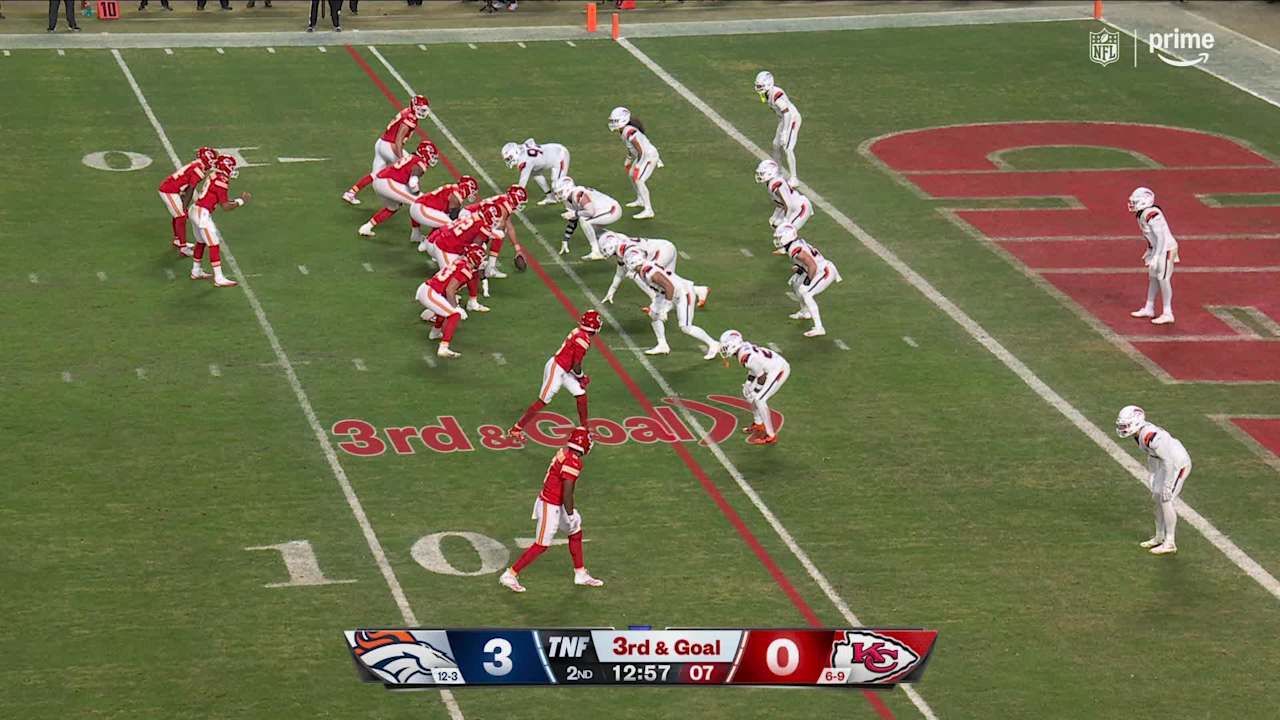
Now, let’s talk about the real headline, the one that the Chiefs would rather keep tucked away in the deepest corners of the pre-season highlights reel: Brashard Smith. This kid, catching a pass out of the backfield and then proceeding to absolutely dismantle a defender on his way into the end zone, is not just a touchdown; it’s a seismic event indicating the eventual obsolescence of higher-paid, less dynamic backs currently clogging up the depth chart, and if you aren’t paying attention to the sheer violence he brings to the position, then you’re missing the plot entirely. Smith is a clear demonstration that explosive ability combined with a total lack of respect for the opponent’s desire to keep him out of the end zone is the exact formula that Kansas City desperately needs to inject into their regular-season offense when the air gets thin and the defenses tighten up, something that established veterans sometimes forget when they start thinking about their post-game endorsement opportunities instead of the raw drive to score. This tackle-breaking prowess, this refusal to merely go down when contacted, speaks volumes about a player who understands that every single yard must be earned through sheer, unadulterated effort, a mentality that contrasts sharply with the pre-ordained celebrity status of others on the roster whose yards are often gifted by scheme or reputation, rather than wrenched from the grasp of a desperate defender.
He wants it.
The fact that he caught the pass out of the backfield adds a fascinating layer to this narrative, suggesting offensive coordinator usage patterns that prioritize versatility and speed over traditional, predictable run-between-the-tackles sets, which inherently elevates Smith’s value above almost every other pure rusher on the roster, confirming the long-held gossip that Andy Reid is secretly obsessed with turning running backs into multi-faceted weapons capable of exploiting mismatched linebackers, essentially making Smith the operational blueprint for the next phase of the Chiefs’ offensive evolution. This isn’t just a running back; this is a chess piece designed to terrorize opposing defensive coordinators, especially considering the relatively pedestrian performance of other backs when faced with true defensive pressure, making Smith’s emergence not just good news for the Chiefs, but potentially terrible news for the careers of several established veterans who suddenly look slow and hesitant next to his burst. We’re witnessing a cold, corporate-level restructuring of the backfield right before our eyes, all while the mainstream media is too busy counting how many times Taylor Swift smiled from the suite.
Kelce’s Paltry 11 Yards: Reputation vs. Production
Eleven yards. That’s what we get from the supposed generational talent who dominates every media cycle, whose personal life is now a legitimate beat on every entertainment news show globally, and while 11 yards might be fine for a third-string tight end, for a player who demands and receives the kind of star treatment and contract leverage that Kelce enjoys, it feels decidedly… pedestrian, especially when the crucial, high-leverage plays—the fourth-down conversion and the spectacular touchdown—are being delivered by players who wouldn’t get recognized outside of Missouri, forcing us to ask the uncomfortable question about where the true value lies on this team when the stakes are highest. It raises the distinct possibility that the Chiefs are currently operating under a massive celebrity tax, paying premium prices for production that is becoming increasingly sporadic and relying on the gritty, underpaid, and easily disposable labor force in the backfield to bail them out of sticky situations, a corporate strategy as old as time itself, and one that is deeply unsettling when viewed through the lens of pure football efficacy rather than Hollywood sheen. Speculation is rife in league circles that Kelce’s focus, understandably, might be slightly fractured, split between maximizing his global brand and the grind of an NFL season, a duality that inevitably chips away at the consistency required to be truly elite, meaning those 11 yards are less a sign of consistency and more a glaring indicator of a necessary re-evaluation of his impact when contrasted with the pure, hungry effort of a guy named Brashard Smith literally fighting his way into the end zone from a catch.
It’s a distraction.
The narrative shift is palpable; in the early Mahomes years, Kelce was the necessary, unstoppable force that complemented the QB’s genius, but now, his dominance seems less about brute force and more about exploiting predictable defensive alignments designed to stop the pass, suggesting that the team might be reaching a point of diminishing returns on their investment in the tight end position, especially given the rising market value and the obvious need to distribute cap space to other, more pressing defensive and offensive line needs, making Kelce’s continued status as an untouchable titan of the roster a subject of increasingly pointed, internal debate, even if nobody dares utter the words publicly for fear of upsetting the delicate celebrity ecosystem surrounding the franchise right now. Look for more reliance on running back screen passes and quick slants to shift the focus away from the increasingly expensive, highly visible receiver options, a trend subtly signaled by Smith’s very specific touchdown reception from backup quarterback Chris Oladokun—a move that screams ‘testing new blueprints for cost efficiency’ louder than any leaked memo ever could, solidifying the tabloid position that the Chiefs are desperately trying to build an escape route from the ‘Kelce Dependency Trap’ before it becomes financially catastrophic in the next contract cycle.
Oladokun’s Scramble: The Quiet Coup?
And let us not forget the quiet drama unfolding under center. Chris Oladokun scrambling to his right might seem like a footnote, a tertiary detail in a pre-season highlight reel, but in the clandestine world of NFL roster construction, the actions of the backup quarterback often reveal more about the long-term thinking of a franchise than any press conference ever will. Why scramble? Why move off the predetermined spot? Because he’s proving mobility, flexibility, and a willingness to extend plays outside of the established Mahomes template, essentially auditioning for a role far more significant than ‘holding the clipboard,’ indicating that the Chiefs are quietly searching for a viable, highly affordable successor should Mahomes suffer a serious injury, or, dare we whisper it, should the astronomical salary cap demands necessitate a radical restructuring of the QB room sometime deep in the future, when even Mahomes’s contract starts looking impossible. Oladokun isn’t just a backup; he’s insurance, a lottery ticket, and the subtle emphasis on his ability to improvise, as highlighted in this brief clip, suggests that KC is far more concerned with maintaining affordable competency behind their superstar than they are letting the world believe, proving that even a dynasty lives in perpetual fear of disaster. The fact that Oladokun connected with Smith for the spectacular, tackle-breaking score is the true cherry on top of this drama sundae, establishing a potentially potent, low-cost connection that could pay massive dividends if the team ever needs to survive without its primary weapons, creating an internal rivalry dynamic that always makes for excellent tabloid fodder.
Everything changes.
The truth is simple: the Chiefs, much like any other major corporation, are obsessed with mitigating risk and maximizing efficiency, and while the Kelce headlines sell jerseys and fill suites, the actual on-field production that guarantees wins is shifting rapidly towards the younger, cheaper, hungrier talent pool embodied by Brashard Smith and the aggressive, necessary nostalgia of plays like the Kareem Hunt conversion, leaving the current star players in the awkward position of having to constantly justify their celebrity status with output that goes beyond the 11-yard polite reception. It’s a ruthless business, and if you aren’t fighting for every yard like Smith, or forcing your way through the line like Hunt, you are merely a lavish distraction awaiting replacement by a better, faster, and much, much cheaper model. The drama brewing in Kansas City is not on the sidelines; it’s in the depth chart, and it’s ugly, exciting, and fundamentally reshaping the identity of this team beneath the veneer of manufactured perfection. Watch the backs. Always watch the backs.