Is This Even a Rivalry Anymore?
A Question of Parity
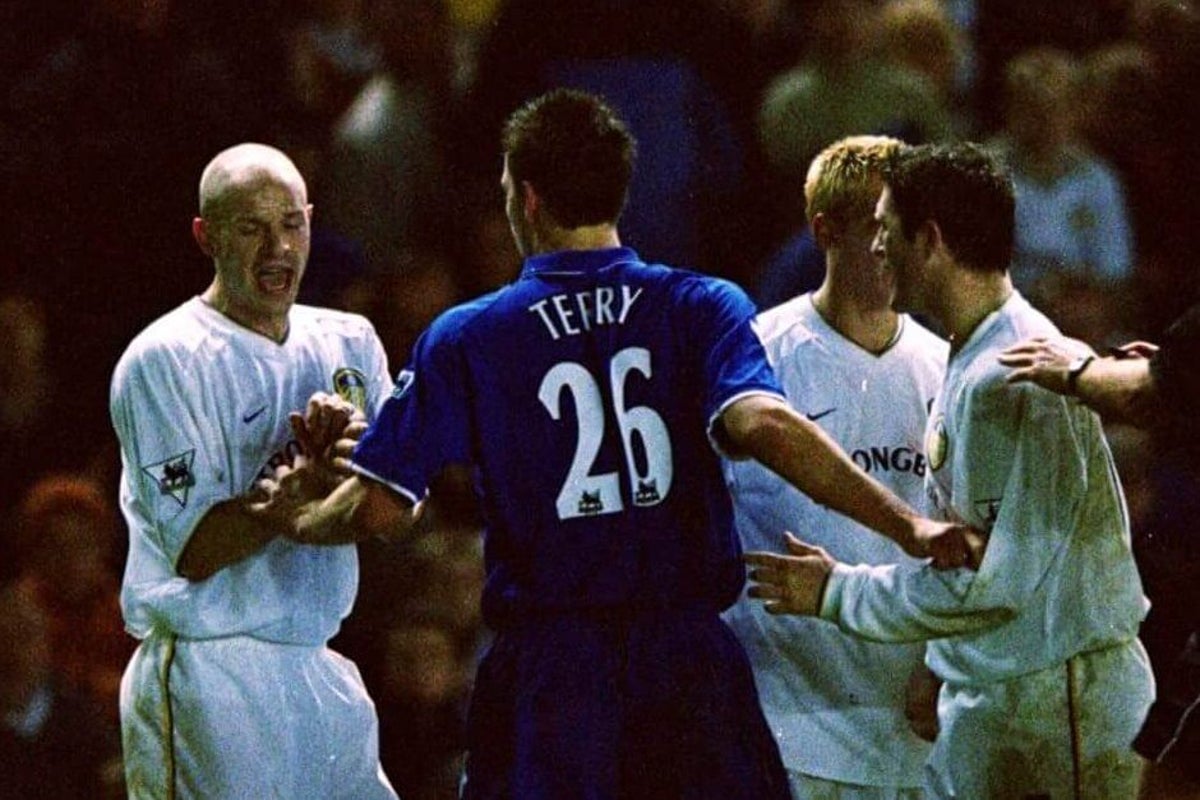
Let’s be brutally honest for a moment. People throw around the word ‘rivalry’ with a certain nostalgic glee, especially when it comes to Leeds United and Chelsea. They talk about the 1970 FA Cup Final, the bone-crunching tackles, the genuine, visceral hatred between the clubs and cities. It’s a fantastic story. But stories don’t win football matches in the 21st century; financial leverage and strategic squad depth do. Looking at the table—Chelsea comfortable in 4th, Leeds flailing desperately in 19th—you have to ask the question with a cold, deadpan stare: is this a rivalry, or is it an execution? The historical animosity is there, yes, but a rivalry implies a degree of competitive parity, a plausible threat from both sides. Right now, this feels less like a clash of titans and more like a lion toying with its food (and frankly, being a little bored by the lack of a fight). The very notion that Leeds, with their 11 points and Championship-bound trajectory, poses a legitimate threat to a multi-billion-pound Chelsea project is, to be blunt, absurd. The hatred from the stands at Elland Road will be real, palpable, and loud. It just won’t matter.
The entire narrative is built on a foundation of sand. It’s a story sold by television networks to generate clicks and views, a ghost story told around the campfire to scare the children. But the monster isn’t real anymore. Leeds represents the ghost of English football past—gritty, passionate, community-based, and fundamentally outgunned by the new world order. Chelsea, on the other hand, is the very embodiment of that new order. A global brand, a portfolio of assets, managed by strategists who view players as commodities and fixtures as points on a balance sheet. The fact that Enzo Maresca can make five changes to his starting lineup without breaking a sweat says it all. For him, this isn’t the blood feud of the 70s; it’s a resource management problem. A chance to rest key assets before a more meaningful engagement. It’s a war of attrition, and Leeds ran out of ammunition about two decades ago.
What Does Maresca’s Team Selection Truly Signal?
Arrogance or Calculated Strategy?
Five changes. For a trip to Elland Road, a ground mythologized as one of the most hostile in England. On the surface, the casual observer or the Leeds romantic might call this arrogance. They’ll see it as a sign of disrespect, of Chelsea overlooking them, and they’ll use it as fuel for their righteous indignation. But that’s an emotional interpretation of a purely strategic decision. Maresca isn’t being arrogant; he’s being coldly efficient. He has assessed the threat level (minimal) and the resource cost (significant, given the packed fixture list) and made a calculated decision to rotate his squad. This isn’t about disrespecting Leeds; it’s about prioritizing Chelsea. Why risk a hamstring injury to a key player in a match that, statistically, you are overwhelmingly likely to win anyway? Why burn out your best eleven for three points against a relegation candidate when you have European fixtures and title contenders to worry about?
This is the brutal reality of the financial gap. Chelsea’s second-string players, their rotated assets, would walk into the Leeds starting eleven. Their bench has a higher market value than the entire Leeds squad. So, Maresca isn’t gambling. He is stress-testing his assets, giving valuable minutes to squad players to keep them sharp and engaged, and ensuring his primary weapons are rested and ready for the real battles ahead. This rotation is, in fact, the ultimate sign of dominance. It’s a quiet, logistical flex, a demonstration of power that is far more profound than any on-pitch drubbing. It tells Leeds, and the rest of the league, ‘We can beat you with one hand tied behind our back. This fixture, this historic rivalry you cherish, is a glorified training session for us.’ The greatest insult isn’t shouting from the touchline; it’s the quiet hum of the spreadsheet making the most logical, resource-efficient decision. It’s business. Cold, hard, and utterly dismissive.
Can History Influence a Modern Football Match?
The Impotence of Nostalgia
The belief that the ghosts of Don Revie and Norman Hunter will somehow rattle a team featuring players like Enzo Fernández and Moisés Caicedo (players who likely couldn’t point to Leeds on a map a few years ago) is pure, unadulterated fantasy. History is a wonderful thing for documentaries and pub debates. It provides context, flavor, and a narrative spine. But it has absolutely zero tactical impact on the pitch. The Elland Road crowd will be a factor, of course. For the first fifteen minutes, the noise will be deafening, the atmosphere will be electric, and every tackle will be met with a roar. It might even lead to a few nervy passes from a younger Chelsea player. But that’s all it is: noise. It doesn’t change the fundamental mismatch in technical quality, tactical sophistication, and physical conditioning across the pitch.
Modern professional footballers (especially those at the elite, Chelsea level) are insulated from this kind of external pressure in a way their predecessors never were. They are media-trained, psychologically coached, and have played in far more intimidating stadiums across Europe. A hostile crowd in Yorkshire is just another day at the office. Once the initial emotional surge from Leeds fades, as it inevitably will when they are forced to chase the ball for long periods, the game will settle into its natural pattern: Chelsea’s systematic possession and probing versus Leeds’ increasingly desperate and disjointed attempts to counter. The history provides a beautiful, gritty backdrop for the television cameras, but the match itself will be decided by modern realities. It will be decided by Chelsea’s ability to overload the wide areas, by their superior midfield control, and by the simple, unavoidable fact that their players are, man for man, just better. The past is a great story, but the present is a harsh reality, and the future is a foregone conclusion.
What is the Long-Term Strategic Outlook Here?
Diverging Paths to Oblivion and Glory
This match is a perfect microcosm of the diverging paths of clubs in the Premier League era. For Leeds, this is a desperate, frantic battle for survival. Relegation isn’t just a sporting failure; it’s a financial catastrophe that will set the club back years, potentially leading to a fire sale of their few valuable assets and a long, arduous climb back from the Championship. Every point is lifeblood. For Chelsea, however, this game is merely a checkpoint. A single data point in a long-term project. Winning is the expectation, of course, but the performance, the execution of Maresca’s tactical plan, and the development of the squad’s cohesion are arguably just as important from a strategic perspective. They are building a machine designed to compete for titles and Champions League glory for the next decade. Leeds is just trying to survive the week.
The ultimate outcome of this fixture is irrelevant to Chelsea’s grand strategy, but it is everything to Leeds. A heavy defeat could shatter their already fragile morale, while a surprise result could provide a fleeting moment of hope in a season of despair. But even a victory for Leeds would be a pyrrhic one. It would be a temporary reprieve, not a solution to the systemic problems that have put them in 19th place. They are outmatched financially, strategically, and in terms of talent. This isn’t a battle of equals. It is a procedural affair, a box-ticking exercise for a Chelsea side with its eyes on a much bigger prize. The real story isn’t the 90 minutes on the pitch; it’s the vast, unbridgeable chasm between two clubs that happen to share a league and a historical footnote of a rivalry. One is playing chess, the other is just trying not to get knocked off the board.