The Illusion of Parity Shattered: A Cold Look at the CFP Opening Act
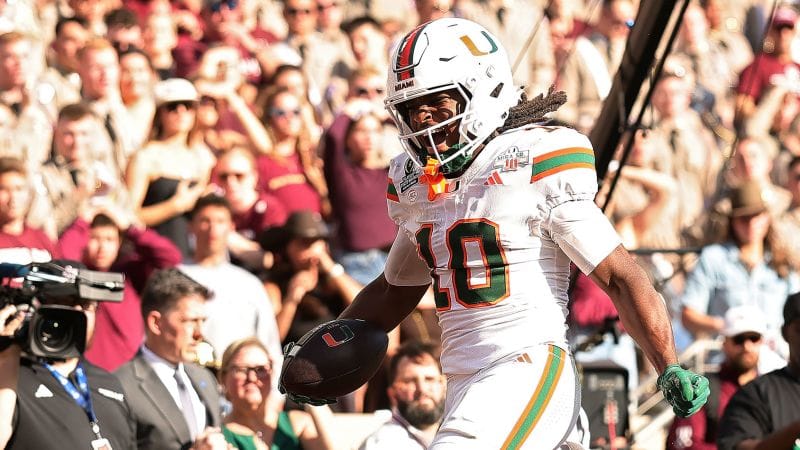
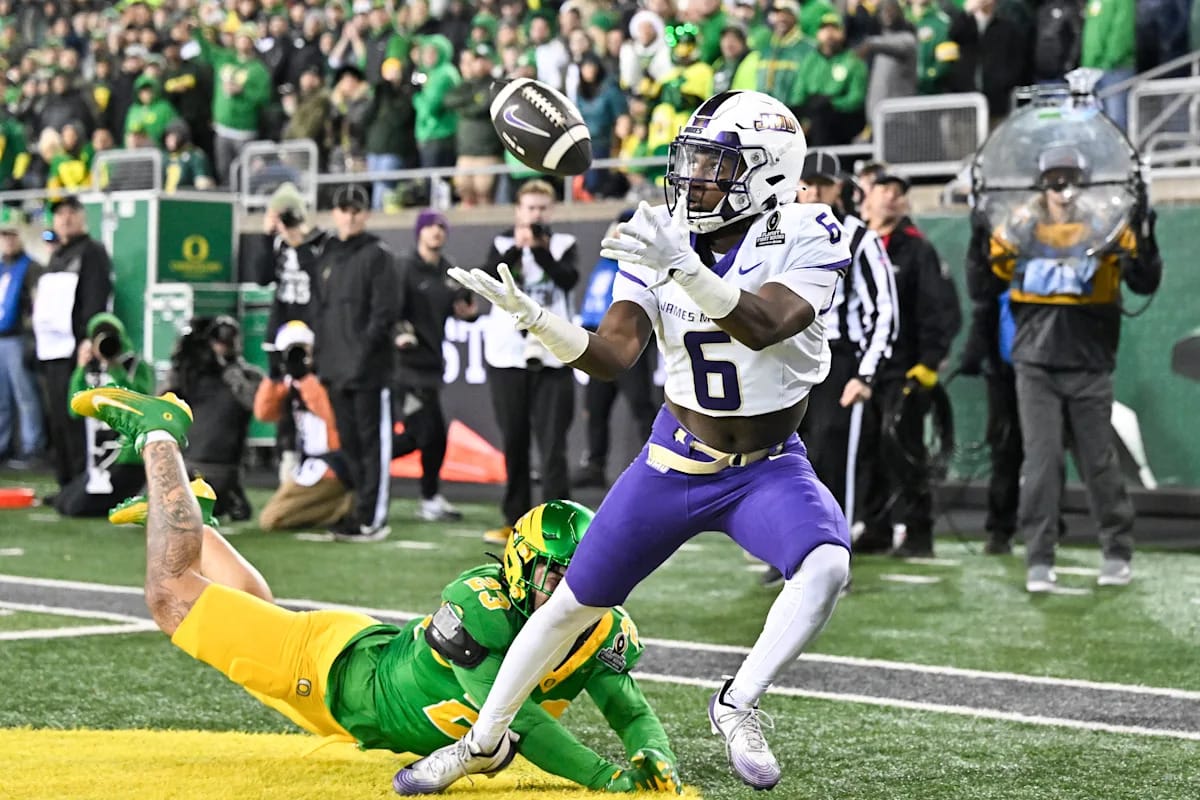
Let’s dispense with the polite euphemisms immediately. What we witnessed in the initial salvos of this supposed College Football Playoff—this supposed meritocracy masquerading as the pinnacle of the sport—was less a series of competitive matchups and more an organized demolition. Oregon cruising past James Madison? A foregone conclusion dressed up in a primetime slot hoping for a miracle that never materialized. You saw the scores, you read the reports about Miami’s special teams woes, and Ole Miss advancing, yes, but let’s not pretend these weren’t heavily signposted outcomes designed to keep the blue bloods warm.
The Special Teams Alibi: A Symptom, Not the Disease
Miami blowing coverage, shanking kicks—it’s always the little things that cost you, isn’t it? That’s what the talking heads will drone on about, applying little Band-Aids to a gaping arterial wound. Hogwash. The special teams failure isn’t the *reason* Miami looked unprepared; it’s the *manifestation* of a program that hasn’t cultivated the requisite mental fortitude for January football when the heat is truly on. They choked. Period. (And anyone arguing otherwise is selling snake oil.)
We had ‘nip-and-tuck ballgames’ in the first two contests, they chirp from the press boxes. Rubbish. A game that stays close until the third quarter because one side has the talent to execute basic assignments while the other is running on fumes and nostalgic greatness isn’t ‘close.’ It’s postponed defeat. The actual blowouts arrived because once the established order smells blood, they accelerate. This is about structure, not Sunday morning quarterbacking about field position.
Oregon, bless their heart, did exactly what a legitimate national contender should do: dispatch the novelty seed swiftly and efficiently. The 12-seed getting crushed isn’t news; it’s the expected outcome when you force a conference champion from a non-Power Six structure into a playoff format calibrated perfectly for legacy institutions. James Madison, a fine team, was simply fed to the grinder. It’s optics management, plain and simple, designed to keep the NCAA logo shiny until the real money games begin.
The Inevitable Progression of the Titans
Look at the trajectory. Oregon, Miami (somehow, despite the evident flaws), and Ole Miss moving forward. This is the established pipeline. The system works exactly as it was designed: to reward historical inertia and massive donor bases. The CFP structure, even with its expansion talk, is fundamentally flawed because it prioritizes brand recognition over true chronological meritocracy across a full season. It’s a tournament designed to ensure the SEC and select blue-chip programs are insulated from genuine chaos.
Consider the historical context here. Every time the field expands, the initial rounds are designed to act as a filter, burning off the enthusiastic but ultimately under-resourced outsiders. We saw a brief glimmer of hope last year with upsets, perhaps, but this year, the machine appears to have tightened its grip. The message is clear: Don’t bring your Cinderella shoes to the crucible; bring your championship pedigree or stay home.
The implications for the non-traditional powers are devastating. Why bother striving for that one perfect season if the reward is a brutal, high-leverage road trip against a program that has been preparing for this exact moment since National Signing Day 2022? It breeds cynicism. It tells every coach outside the top 15 that their ceiling, no matter how high they climb in November, is probably the Round of 16, where they will be neatly processed.
This isn’t about talent gaps; it’s about systemic resource disparity that the tournament format, no matter how many bids you hand out, cannot overcome in a single elimination setting. The depth required to win four straight games against top-tier competition is something only five or six programs can realistically sustain year after year without internal collapse. And Miami, for all its historical flash, clearly showed that organizational structure under pressure remains questionable.
The Quarterfinals: Where The Real Show (and The Real Money) Begins
Now we move to the ‘quarterfinals,’ which is just a fancy way of saying the actual tournament starts. The first round was glorified exhibition games, necessary noise to justify the increased ticket prices and TV contracts. Nobody remembers the 12-seed that lost in the opener. They remember the brutal clashes between established titans. That’s the product the decision-makers want: high-stakes, brand-on-brand conflict where the officiating has maximum consequence.
What happens next? We need to see genuine strategic adjustments, not just individual player heroics. Can Oregon maintain that level of offensive efficiency against a team built specifically to suffocate speed? Can Ole Miss navigate the inevitable pressure cooker that their next opponent will bring, knowing that an early slip-up means the entire season’s hype evaporates into the humid January air? (The betting markets suggest they probably will, which is another indictment of how predictable this whole thing becomes once the chaff is blown away.)
The problem with this structure is that it rewards the path of least resistance in the opening stages, allowing seeds 1 through 4 to essentially rest while seeding 5 through 8 expend critical energy and maybe suffer an injury or two against hungry upstarts. It’s a slow, strategic bleed built into the very DNA of the bracket. The ‘nip-and-tuck’ games are just designed to wear down the higher seeds just enough so they look vulnerable—but not *actually* vulnerable—when they meet the true contenders.
We are watching an entertainment machine run its course. The narrative arc demands drama, but the financial structure demands dominance by the established players. The first round just confirmed the guardrails are firmly in place. Don’t confuse a few close scores with competitive balance. Balance requires sustainable success, not one-off miracle seasons that end predictably in the first meaningful test. (It’s all theatre, folks, and we’re paying premium prices for front-row seats to the second act.)
The NFL scores from yesterday? Irrelevant noise drowning out the real story: the NCAA CFB playoff system is performing exactly as designed—culling the weak quickly to maximize high-value matchups later. Miami’s meltdown wasn’t a surprise; it was a statistical probability given their structural weaknesses under duress. Oregon advanced because they are built for this sustained brutality. And that, in the cold light of day, is the only takeaway that matters.