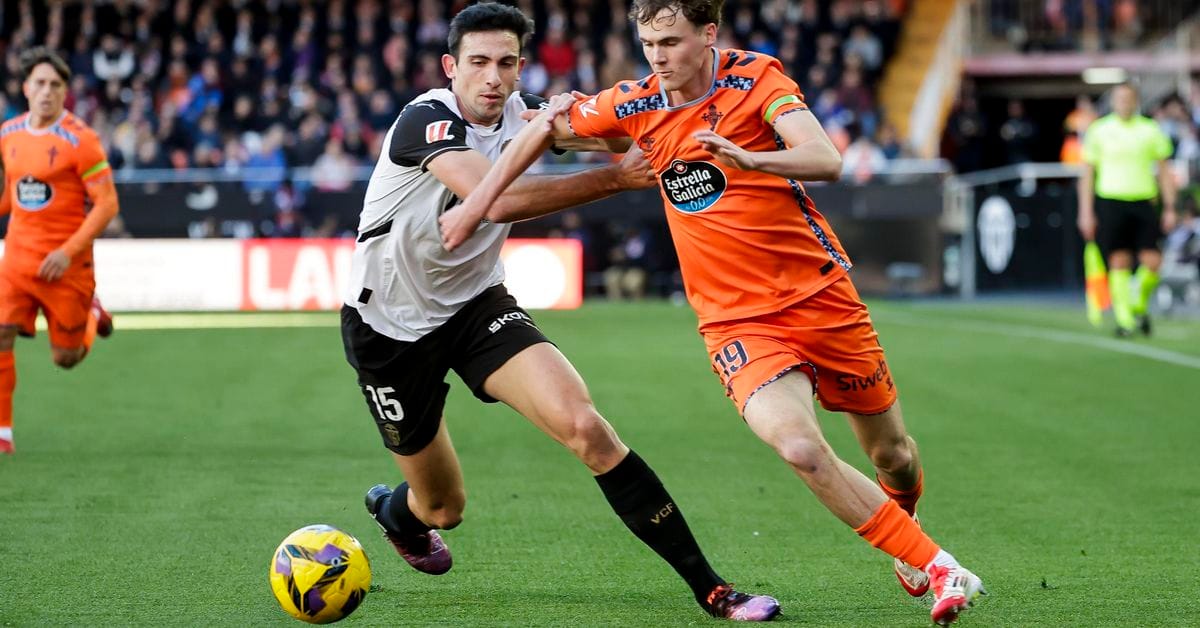
The Great Tactical Tug-of-War: Celta vs. Valencia
Look, we’ve got the line-ups. Hooray. Big deal. Everyone’s already Googled the injury reports and the starting XI probably looks like the manager spilled coffee on the formation chart. But forget the personnel for a hot second, because what we’re *really* tuning in for is the backstage drama. We’re here to watch two control freaks—two self-proclaimed “interventionist” coaches—try to micromanage every blade of grass at Balaídos. Isn’t that just the most fascinating modern football trope ever invented? We follow the players, sure, but the real spectacle is watching the guys in expensive tracksuits sweat themselves into an early retirement.
The Admiration Agenda: A Load of Baloney?
The press releases tell us Giráldez and Corberán admire each other from afar. Admire? Please. That’s the language of people trying desperately not to call the other guy an idiot during the pre-match presser. When two managers who fancy themselves tactical geniuses lock horns, admiration dies a quick, suffocating death somewhere around the 30th minute when the opposing system starts unraveling their delicate little game plan. They respect the *idea* of the other guy, maybe, but respect evaporates when a full-back gets caught too high up the pitch because of a tiny structural flaw the opponent exploited. This isn’t a love-in; it’s a cage match where the weapons are positional rotations. Why must we always believe the narrative of mutual respect? It sounds so fluffy.
The Goal-Scoring Showdown: Forwards Under Siege
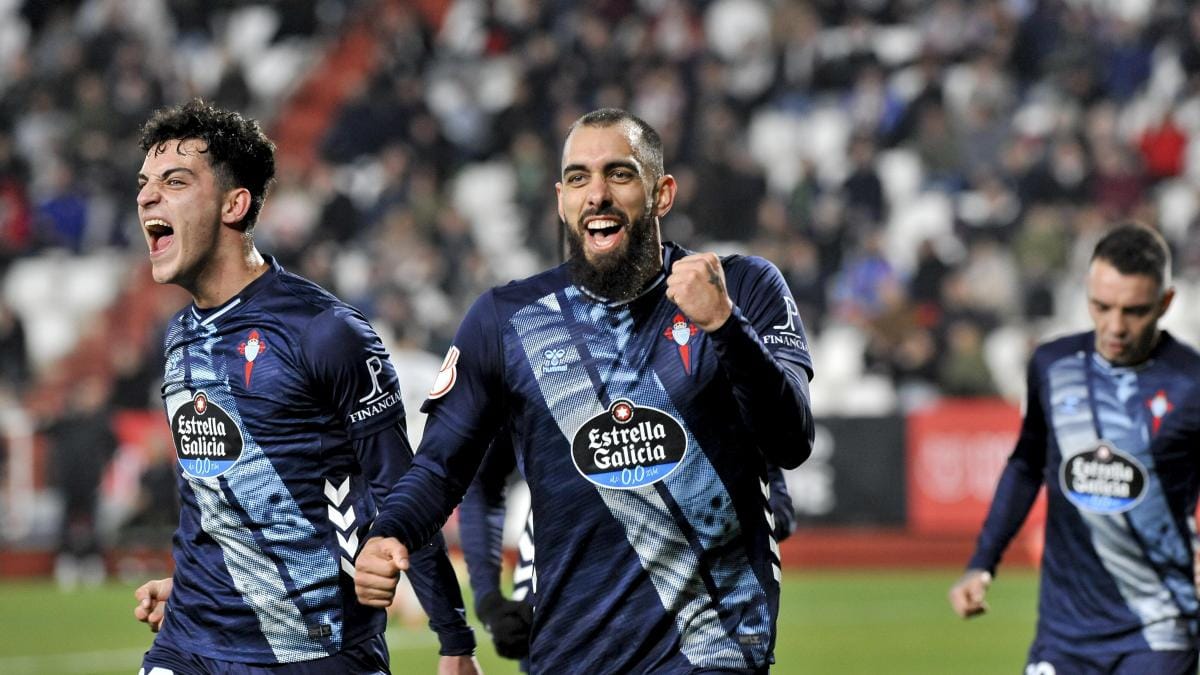
And then we pivot, as if this were a badly directed halftime show, to the strikers. Borja Iglesias versus Hugo Duro. Great. Two guys who are supposed to be putting the ball in the net are instead going to be carrying the existential weight of two clubs desperately trying to shake off the January 2026 blues. These teams are reportedly ‘cargados de presión’ (loaded with pressure). And who causes pressure? The media, the fans, the boardroom, and most importantly, the manager when training has gone sideways. If Iglesias doesn’t score, is it his fault, or is it because Giráldez drew up a possession-based nightmare that left him isolated? Does anyone ever ask that? No. The striker catches the heat, every single time. It’s a brutal, repetitive cycle that never seems to break.
The 2026 Hangover and Financial Anxiety
Let’s zoom out for a minute, shall we? It’s early 2026, and the festive cheer has worn off. Celta is flirting with the relegation zone, or at least that’s the narrative being spun before kickoff. Valencia, bless their cotton socks, are eternally teetering on the edge of financial solvency or mid-table mediocrity—pick your poison. This isn’t just three points; this is about psychological survival in a league where one bad run can cost careers, stability, and maybe even the club owner’s yacht payment. We are watching professionals playing under the shadow of spreadsheets and fluctuating stock prices, and we call it sport. Hilarious, really.
Why does La Liga feel like a constant existential crisis for the smaller clubs? It’s because the structure rewards the historical behemoths to such an extent that scraping by feels like winning the Champions League every time you manage to keep your best player for an extra six months. This match is a micro-reflection of that macro-problem: two teams trying to punch above their weight class using sheer, obsessive coaching detail. Will it pay off? Or will sheer chaos, the thing coaches hate most, decide the outcome?
The Curse of Warm-Ups and Confirmed Lineups
They confirmed the lineups. They are warming up. So what? Does knowing the exact shape of the starting XI before the whistle change the fact that human error is inevitable? It’s like announcing the recipe before the chef screws up the roux. It tells you the intention, not the execution. These warm-ups are rituals, performance art for the early birds, ensuring that when the inevitable tactical shift happens at halftime, both benches look supremely prepared, even if they are secretly panicking. Corberán adjusting his collar three times before the kick-off—that’s the real action. That’s the tell.
Imagine the internal monologue of a coach watching his team warm up. It’s not confidence. It’s a highlight reel of every possible mistake replaying in his head. “What if their left-back exploits the channel we discussed? What if the midfield pivot drifts too far? Did I tell the No. 8 about the offside trap timing? Oh God, I forgot to mention the offside trap timing!” That is the reality behind the handshake and the confident nod to the fourth official. It’s pure, unadulterated anxiety masked by team colors.
The Danger of ‘Interventionism’
When you label a coach ‘interventionist,’ it sounds high-level and sophisticated. What it often means is they can’t let things go. They have the tactical equivalent of micromanaging syndrome. They want to control the wind, the trajectory of the referee’s whistle, and the emotional state of the center-back who missed his girlfriend. This game will not be decided by moments of genius; it will be decided by which manager gets tired of intervening first. When does ‘coaching’ become ‘hindering’? That’s the million-dollar question hanging over Balaídos tonight. Does Giráldez pull the plug on his initial plan too soon because he sees one misplaced pass? Does Corberán overcompensate by shoving five players into the penalty box for a corner they didn’t need to stack?
Think about the substitute bench, that forgotten graveyard of temporary optimism. Who is warming up down there looking desperate for their chance to correct the maestro’s perceived blunder? That substitute often knows exactly what’s wrong because they aren’t bogged down in the 70 pre-match meetings. They see the flaw with fresh eyes, while the starter is mentally exhausted trying to adhere to instructions issued three days ago. Football is fast; tactical plans are slow. That lag is where the drama lives.
Pressure Cooking: The Art of Not Fumbling
Being ‘cargado de presión’ in La Liga means you’re probably over-leveraged financially or under-achieving historically. Either way, failure is expensive. This match is a high-stakes poker game played on damp grass. If Iglesias scores a hat-trick, he’s a hero, and the pressure valve releases, allowing Celta to cruise into the next fixture thinking they’ve sorted things out. If he draws a blank, suddenly the transfer rumors flare up again, and the coach gets asked why he’s not playing the promising youngster who scored in the pre-season tour of Dubai. It’s exhausting just chronicling the expected fallout. Football coverage demands narratives, and pressure is the juiciest narrative ingredient there is. Who buckles? It’s always fascinating to watch.
We need more unpredictable results, frankly. We need a tactical decision so bizarre in the 75th minute that it forces the opposing coach to briefly question his entire philosophy. We need a moment where the meticulous planning of both Giráldez and Corberán collapses into glorious, messy improvisation. Because if they stick to the script, we get a 0-0 snore-fest decided by a fluke deflection. And nobody wants that, do they? We tune in for the fireworks, not the blueprint review.
This whole spectacle—the admired rivals, the goal-scorers bearing the weight of the club’s hopes, the coaches twitching on the touchline—it’s all theatre. And tonight, Balaídos is the stage for their little soap opera. Let’s see which director flubs the cue cards this time around. Is this going to be a classic display of tactical mastery, or just two stubborn mules refusing to yield an inch until the clock hits zero and they both limp away, claiming moral victory while looking utterly miserable? My money is on the latter. It always is.