The Anatomy of an Incident: When Authority Clashes with Impatience
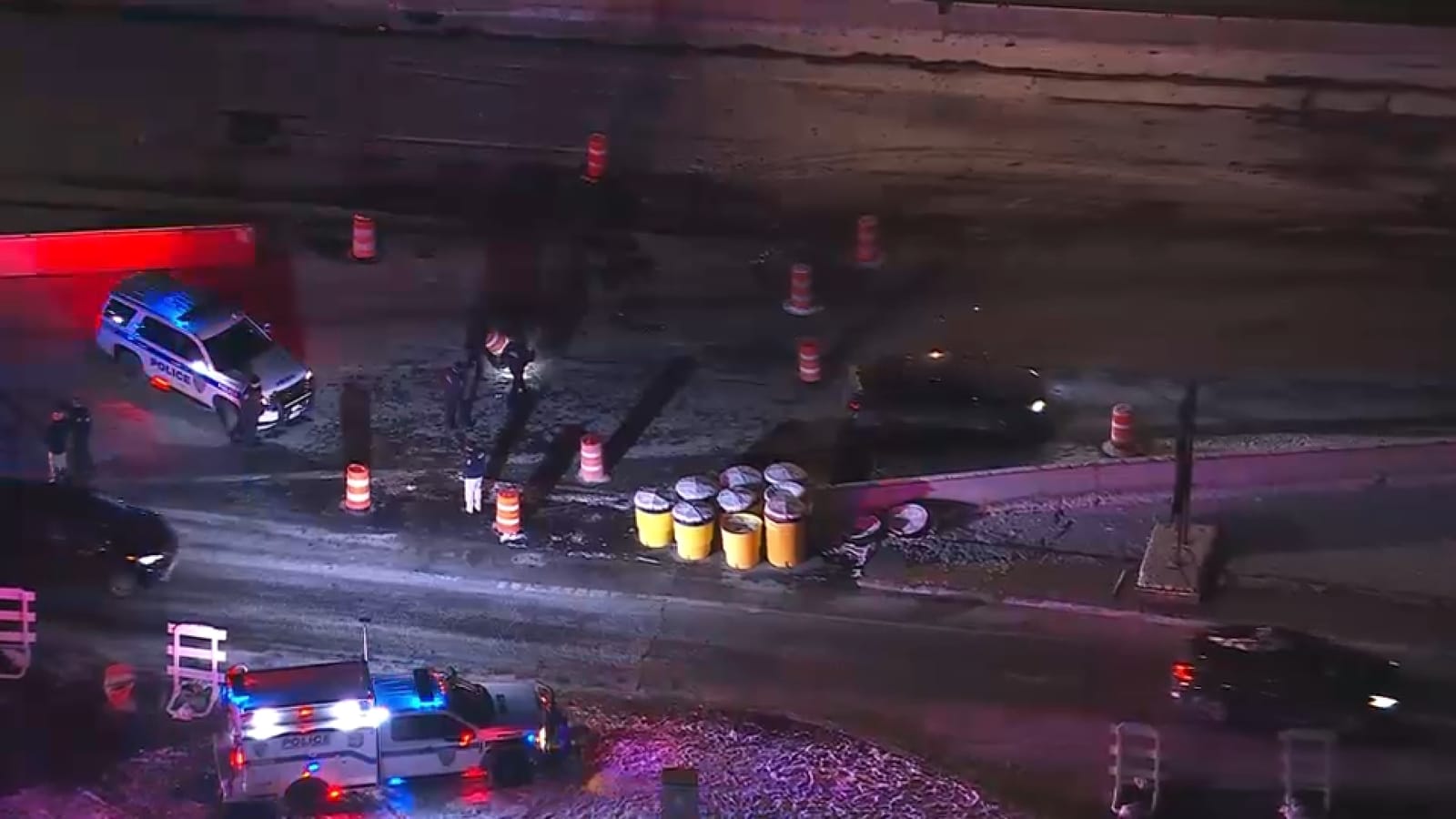
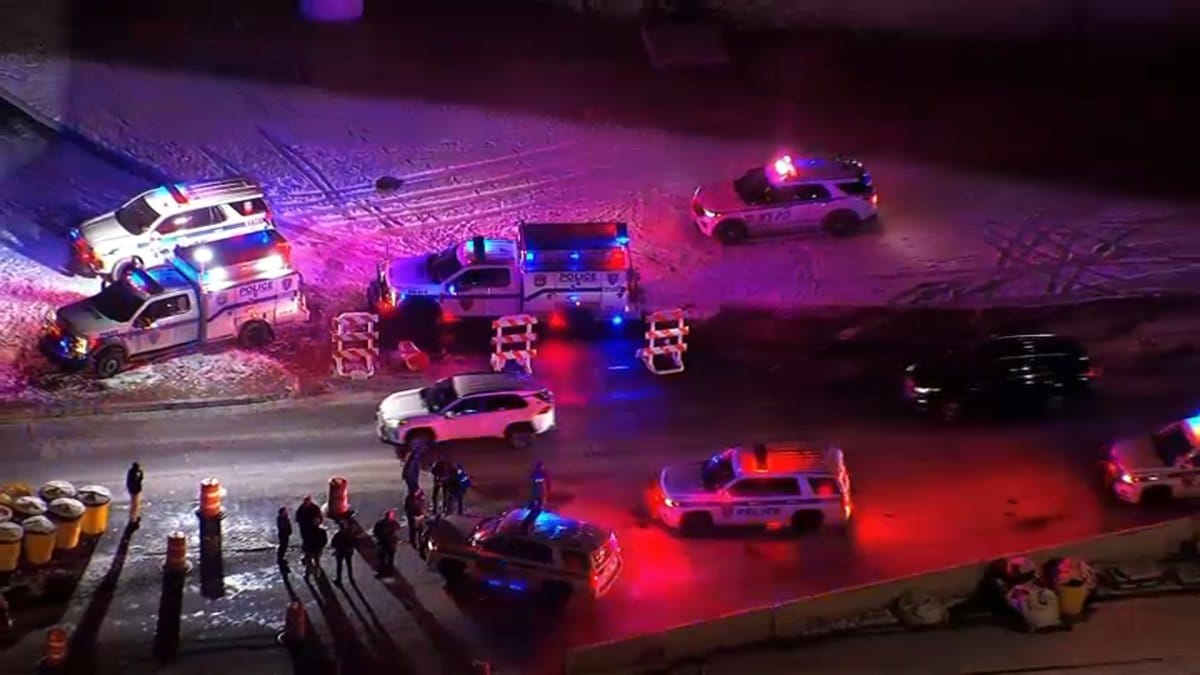
The headline itself reads like a bad punchline: “Shots fired near JFK Airport during apparent road rage incident.” A Customs and Border Protection officer, allegedly off-duty, involved in a fender-bender on the Van Wyck Expressway, decides that the appropriate response to a traffic dispute at 4:50 a.m. is to pull out his firearm and start shooting. This wasn’t a high-speed pursuit of a cartel operative or a confrontation with a potential terrorist; it was a simple, everyday annoyance that escalated instantly to lethal force, proving that the thin blue line between civil servant and enraged citizen is far thinner than we’re led to believe, especially when someone’s ego gets bruised during their morning commute.
This isn’t just about a “bad apple” losing his cool. This incident near one of the nation’s most vital transportation hubs isn’t an isolated event; it’s a symptom of a much deeper malady within the American policing and security apparatus. We have, over the past several decades, systematically militarized large segments of our law enforcement, including agencies like CBP (which primarily focuses on border security, not domestic traffic incidents), creating a culture where quick escalation and the ready use of force are not only accepted but often rewarded. The psychological profile required for these roles—individuals who thrive on authority and a sense of mission—often collides disastrously with the mundane frustrations of civilian life. When you equip someone with lethal force and imbue them with the self-perception of a guardian, a simple fender-bender on a New York highway transforms from a mundane inconvenience into a perceived challenge to their very authority, resulting in a calculated, though possibly subconscious, escalation where a gun becomes the ultimate arbiter of who was right about a traffic lane change. It’s a fascinating study in institutional psychology versus individual impulse control, and a terrifying one for anyone stuck in traffic nearby.
The Illusion of “Off-Duty”: The 24/7 Badge
The distinction between “on-duty” and “off-duty” in modern law enforcement is, for all intents and purposes, a legal fiction. The psychological and legal reality dictates that a peace officer, or a federal agent with arrest powers (like a CBP officer, thanks to a complex web of overlapping jurisdictions and laws like the Law Enforcement Officers Safety Act, or LEOSA), retains their authority around the clock. This means they are constantly assessing situations through a specific lens, one that prioritizes control and potentially lethal readiness over de-escalation tactics often taught in civilian contexts. They carry their firearm and their perceived authority everywhere they go, turning every public interaction into a potential extension of their job. The incident near JFK demonstrates the disastrous consequences of this continuous authority, where an individual trained to respond to threats in a border crossing environment attempts to apply that same mindset to a simple traffic dispute. It’s a classic case of using a sledgehammer to crack a nut, only in this case, the sledgehammer is a .40 caliber pistol and the nut is just another driver who maybe cut them off in traffic. The idea that an off-duty officer is simply a normal citizen with a gun is nonsense; frankly, laughable, given their specific training and institutional reinforcement of their role as protectors of the public good, even from minor irritations.
Militarization and the “Guardian” vs. “Warrior” Mindset Debate
This incident throws into sharp relief the ongoing debate between the “guardian” and “warrior” mindsets in policing. The warrior mindset, heavily influenced by post-9/11 counterterrorism training and the influx of military surplus gear into civilian police departments, views every situation as potentially lethal and every citizen interaction as a possible threat. Conversely, the guardian mindset emphasizes community service, de-escalation, and proportional responses. This CBP officer’s reaction—firing a weapon during a non-lethal confrontation over traffic—is the textbook definition of the warrior mindset run amok in a civilian setting. It represents a systemic failure to instill a guardian’s sense of restraint. We have spent billions on equipping our domestic agencies with military-grade weapons and training, but seemingly very little on ensuring that the individuals wielding that power possess the emotional regulation necessary to navigate a society where not every challenge requires a tactical response. The result is a population increasingly wary of law enforcement, not just in high-crime areas but on ordinary streets, creating a cycle where increased civilian anxiety leads to increased officer anxiety, ultimately resulting in faster escalation and more frequent violence, a self-perpetuating cycle of fear that benefits no one except perhaps those selling body armor and tactical gear to both sides.
The Accountability Void: Predicting the Investigation Outcome
Let’s not be naive about how this investigation will unfold. The predictable sequence of events is already in motion. The officer will likely be placed on administrative leave (a paid vacation, essentially, often referred to as “administrative desk duty” in bureaucratic circles). The narrative will shift from “officer fired weapon in rage” to “officer feared for his life and discharged weapon in self-defense.” The legal standard for use of force often heavily favors the officer’s perception of threat, particularly in states where the subjective fear of an off-duty officer is given high weight, and the immediate fear of being assaulted will be enough to justify pulling the trigger in most departmental investigations, especially when dealing with high-stress situations like road rage. The official report will likely conclude that the officer perceived a threat (even if minor) and acted according to his training, or that the other driver made a sudden aggressive move that justified the escalation. The result will almost certainly be exoneration, perhaps a reprimand, but rarely criminal charges or severe professional consequences, ensuring that the next officer in a similar situation knows that the institutional safety net is there to catch them, reinforcing the culture of impunity that makes incidents like this so depressingly common across the nation.
The Historical Context: From Peace Officer to Para-Military Force
To understand why a simple traffic incident results in gunfire today, we must look back at the historical evolution of law enforcement in the United States. Following the 1960s civil unrest and the “War on Drugs,” police departments began to adopt military tactics and equipment at an increasing pace. This trend accelerated dramatically after September 11, 2001, when federal funding programs (like the 1033 Program) funneled millions of dollars worth of surplus military gear to local police forces, effectively blurring the line between domestic policing and military operations. This institutional shift created a generation of officers who see themselves less as peacekeepers and more as soldiers in an ongoing conflict against a perceived internal threat, leading to a profound transformation in how law enforcement engages with the public. The CBP officer near JFK is a product of this environment, trained to operate in a high-threat, border security context, but applying that same aggressive operational logic to the low-stakes environment of a morning commute. The consequence is that citizens are now encountering para-military forces in situations where a simple traffic ticket or insurance exchange would have sufficed decades ago, raising the stakes exponentially for every interaction.
The Role of Stress and High-Volume Environments
Consider the setting: JFK Airport. This isn’t a quiet suburban street; it’s one of the most high-traffic, high-stress, and congested areas in the country. The constant pressure of navigating dense traffic, dealing with impatient drivers, and anticipating delays creates a volatile cocktail for anyone, let alone someone who carries a weapon and maintains a heightened sense of threat assessment as part of their daily routine. The data consistently shows that stress levels in high-traffic environments significantly decrease an individual’s capacity for emotional regulation and complex problem-solving. This incident serves as a stark reminder that we are putting armed individuals, often under immense personal and professional stress, into situations that are designed to test the limits of patience and control. The fact that this officer chose to use a firearm in a situation where he was likely just annoyed by another driver suggests that the training and psychological screening for these positions is critically insufficient to manage the real-world pressures of modern civilian life. The idea that someone trained to protect the border can’t handle a fender-bender without resorting to violence should make us question the entire screening process for these positions; it’s a glaring red flag that we’ve ignored for far too long, accepting short tempers as a necessary side-effect of high-duty carry for law enforcement personnel.
The Future of Policing: Reclaiming Civilian Space
Ultimately, this JFK incident forces us to confront an uncomfortable truth: we have allowed law enforcement to become too powerful, too militarized, and too unaccountable, creating a new set of dangers for the public they are sworn to protect. The solution requires a fundamental re-evaluation of how we train and deploy these forces. We need to move away from the warrior mindset entirely, focusing on de-escalation training and community-oriented policing. We must strengthen civilian oversight bodies and increase accountability for off-duty incidents to ensure that carrying a badge doesn’t mean carrying a license to terrorize fellow citizens over minor altercations. The alternative is a future where every traffic stop and every minor disagreement risks escalating into a violent confrontation, making our streets less safe, not more. This single act of road rage at JFK isn’t an isolated incident; it’s a forecast of where we’re headed if we don’t adjust course immediately, where the guardians become indistinguishable from the aggressors, and public trust in authority dissolves into cynicism and fear.