The Annual Ritual of Rain Hype and Failure
Let’s cut the pleasantries. Southern California is currently bracing for what the National Weather Service (NWS) is terming a ‘high risk’ winter storm, complete with all the requisite hand-wringing and hyperbolic media coverage. But let’s be honest, the real scandal here isn’t the amount of precipitation hitting Ventura County; the scandal is that this entire scenario—the warnings, the road closures, the inevitable flash flooding—is a predictable, utterly preventable consequence of decades of systemic neglect and prioritizing glossy green initiatives over the dirty, crucial work of maintaining basic infrastructure. We knew this was coming. Every year, we know this is coming.
This isn’t a Black Swan event; this is the California Loop in action: Fire leads to burn scars. Burn scars lead to mudslide risk. Rain hits. Infrastructure fails. Taxpayers fund the clean-up, and the cycle resets before anyone bothers to ask why the drainage systems designed for a population and climate model from the Truman administration are still somehow considered adequate in 2024 (and yes, that hyperbole is barely an exaggeration). If you want a real timeline of failure, here it is, broken down not by rainfall totals but by political expediency.
Phase Zero: The Setup (The Historical Neglect)
For decades, California’s governing bodies have treated essential, non-glamorous infrastructure—culverts, storm drains, reservoirs, road resurfacing—like a teenager treats household chores: they ignore it until Mom (Mother Nature) starts yelling. The cynical truth is that fixing drainage and bolstering hillsides after years of allowing unchecked development on precarious land is expensive and politically thankless. Nobody wins an election by promising new storm drains. They win by promising high-speed rail that never arrives or solar panels for every roof (which is great, but won’t stop the 101 from turning into a river).
Ventura County is particularly vulnerable because it’s adjacent to some seriously scorched earth, areas where the ground can’t absorb water anymore. When you see ‘Flash Flood Watch’ and ‘Evacuation Warnings’ issued, read between the lines: it means the ground, already compromised by massive wildfires (themselves products of questionable forest management and climate instability), is essentially repellent, guaranteeing that the heavy rain won’t soak in; it will simply rip off the hillside, taking homes and roads with it. That’s not a surprise; that’s simple physics.
Act I: The Performance (Warnings and Advisories)
The timeline officially begins on Tuesday evening, when the evacuation warnings were issued. Note the key word: warnings. These are advisory, not mandatory. This is the government’s liability shield in action. They are telling residents in specific, known high-risk zones, such as areas near the recent burn scars, that they might want to leave. This legalistic dance allows officials to claim they ‘did their due diligence’ without having to expend the resources, political capital, or logistical nightmare required to enforce a genuine evacuation order (which often triggers mandatory resource allocation and compensation mechanisms). We are witnessing the annual California ritual where government officials, armed with the latest Doppler radar graphics and an almost theatrical sense of urgency, tell people in historically vulnerable areas—often the same low-income, unincorporated zones that get utterly forgotten between emergencies—that they should, perhaps, maybe, consider moving their expensive SUVs (if they own one) out of the path of the impending liquid avalanche, a situation entirely predictable given the decades of ignoring crucial infrastructure upgrades and permitting reckless development on known floodplains and unstable hillsides, all while simultaneously congratulating themselves for issuing a mere ‘advisory’ rather than a binding, costly ‘order.’ What a joke. Ventura County, specifically, is always the canary in the coal mine, sitting right next to those charred remnants of last year’s fires, ready to turn the dry canyons into a slurry of mud, ash, and ruined hopes.
The Media Frenzy (Clickbait Rain)
The titles—’Storm expected to bring heavy rain,’ ‘Holiday storm: SoCal evacuations’—are designed to generate maximum engagement while offering minimum actionable insight. It’s all breathless reporting about ‘record rainfall’ and ‘epic deluge.’ The fact is, California needs rain, desperately. But because the delivery system (the ground and the drains) is broken, the beneficial rain immediately turns into a destructive force. This storm is a perfect illustration of how poorly engineered systems turn natural phenomena into civic disasters (and how quickly the collective memory of the last Montecito disaster fades).
Act II: The Inevitable Crunch (The Gridlock Timeline)
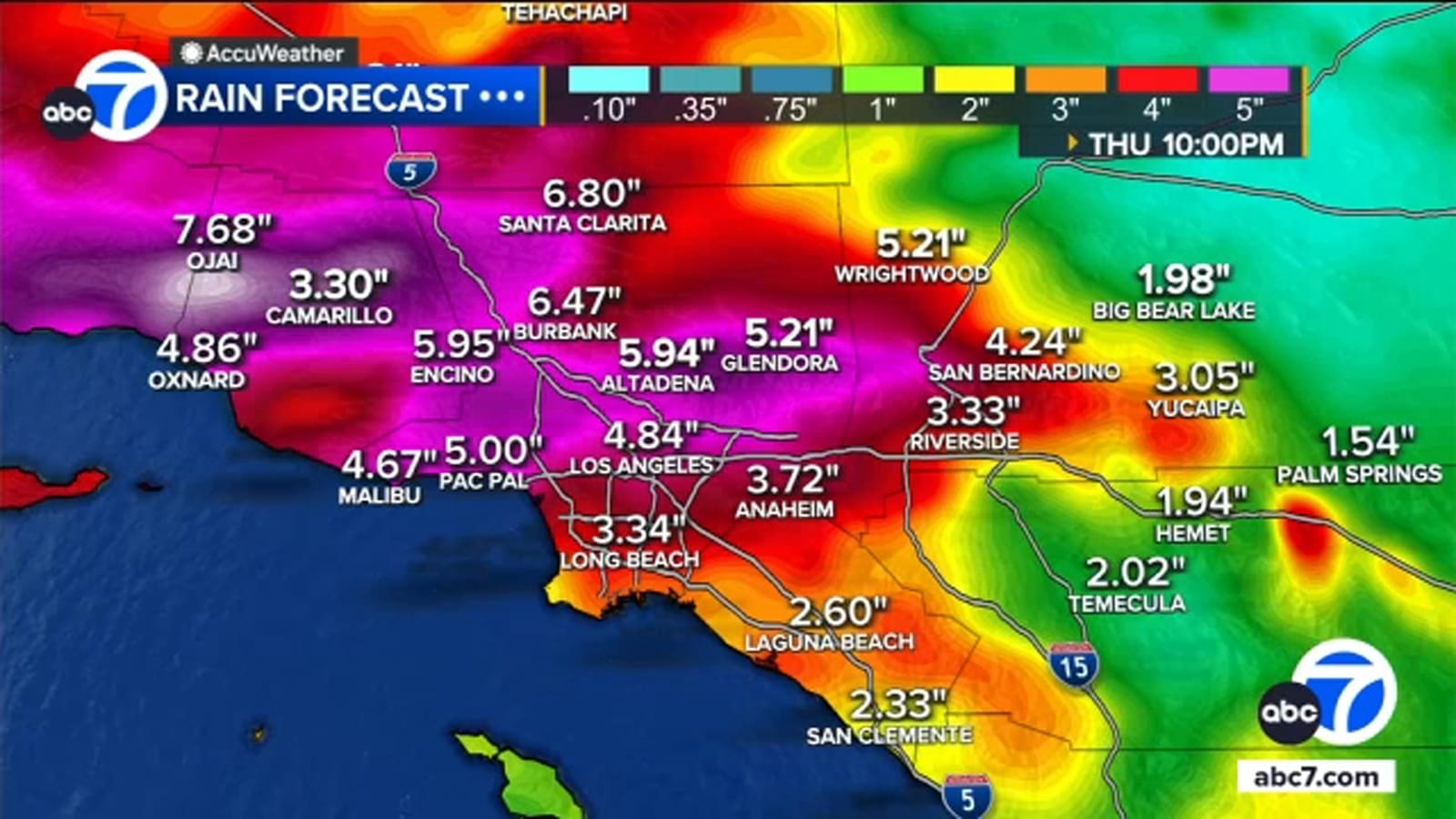
Once the rain really starts dumping (Wednesday through Thursday), the real timeline of failure begins: the road closures. The 101 Freeway, the artery of the entire coast, will inevitably see closures. PCH will flood, becoming impassable in notorious low-lying spots. These aren’t just minor inconveniences; they are economic choke points. When the NWS talks about ‘road closures,’ they are really talking about crippling the regional economy for 48 hours. And who suffers most? The gig workers, the delivery drivers, the essential staff who cannot simply ‘work from home’ while their major transit routes are submerged.
Every minute a major freeway is closed costs millions in lost productivity and damaged goods. This is the hidden tax of poor drainage. Officials will trot out the usual platitudes about ‘safety first’ while simultaneously failing to address the fundamental structural vulnerability that required the closure in the first place (it’s simply easier to shut down the state than to rebuild the foundation). It’s an admission of defeat masquerading as proactive safety.
The Legacy of Water Management Fails
Look, California has always had water management issues—it was built on an arid desert, after all. But the issue today isn’t aridness; it’s the sudden, violent swings between biblical drought and cataclysmic flood, exacerbated by climate change. However, blaming ‘climate change’ exclusively is the easiest out for local bureaucrats. Yes, the storms are more intense, but the pipes are still the same flimsy, cracked ceramics from the Eisenhower era. The failure to modernize drainage is an infrastructure crisis, not just a meteorological one.
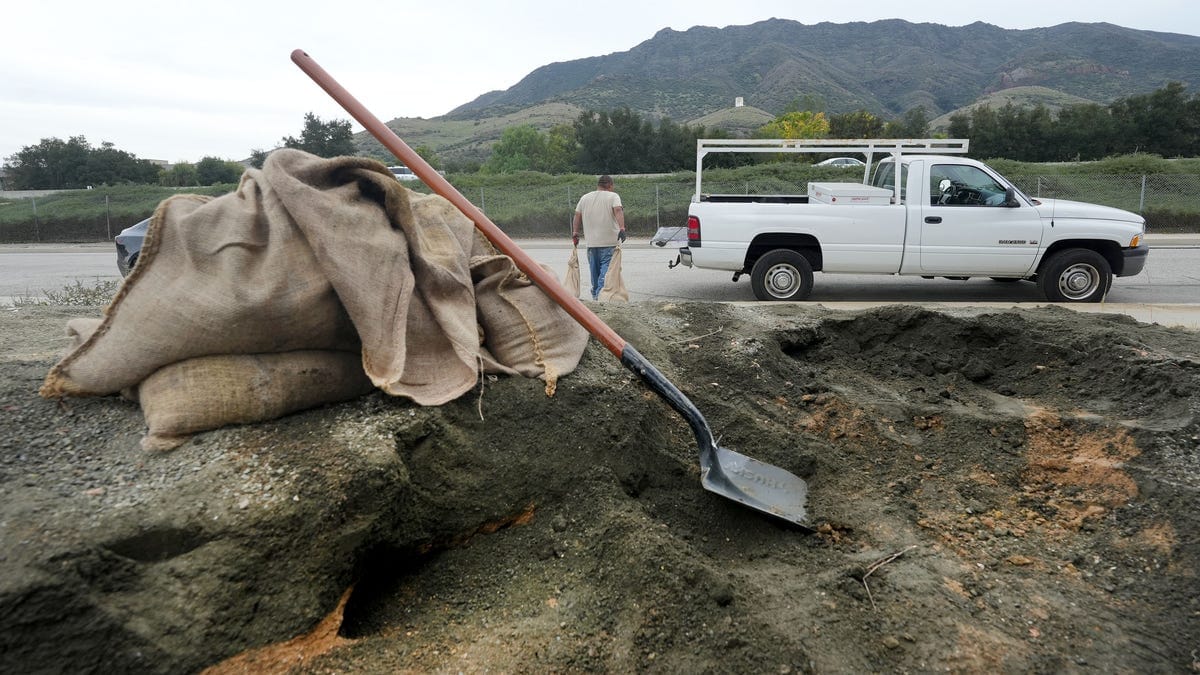
Remember the 1998 El Niño storms? Or, more recently, the devastating mudslides in Santa Barbara County? Every major rain event is a grim reminder that we learned nothing. We issue a few temporary sandbag warnings, we run the pumps for a week, and then we forget about it until the next round of atmospheric river hype blows in (which, given current trends, will be in about six weeks). It’p the epitome of short-term thinking governing long-term consequences, turning what should be a blessing (much-needed water replenishment) into a billion-dollar insurance nightmare that nobody in Sacramento seems keen to actually solve.
Act III: The Aftermath and The Cynical Future
By Friday, the sun will be out (maybe). The cleanup crews will arrive. The photos of muddy cars and collapsed hillsides will dominate the news cycle. Insurance adjusters will sharpen their pencils, ready to find every loophole to deny claims related to ‘acts of God’ (which is what they call preventable infrastructure failure). The cost of cleanup—paid by taxpayer dollars, obviously—will be astronomical, funds that could have been proactively used to fix the dams and drains in the first place.
The state will hold a press conference. They will praise the resilience of the residents (who had to deal with the mess the state allowed to happen). They will promise to ‘review’ the response (which means they’ll hold a committee meeting that achieves nothing). They will definitely make vague, soaring statements about tackling climate change, thereby redirecting the blame away from the immediate, tangible issue of insufficient local drainage capacity (which is the real culprit). This storm, like all the others, will evaporate from the news, leaving behind only insurance premium hikes and marginally weaker hillsides, just waiting for the next deluge to finish the job that this holiday storm started.
And that, folks, is the timeline of predictable failure in the Golden State. It’s not the rain that’s the enemy; it’s the lack of foresight. Until California starts treating underground infrastructure like the crucial lifeline it is, instead of a budget line item that can be perpetually postponed, we’re all just going to keep cycling through these ‘high-risk’ warnings, sandbags, and inevitable mudslides. It’s truly exhausting to watch this same movie every single year, knowing exactly how it ends.