The Funeral Pyre of Festive Football: Decoding the Birmingham Bowl Farce
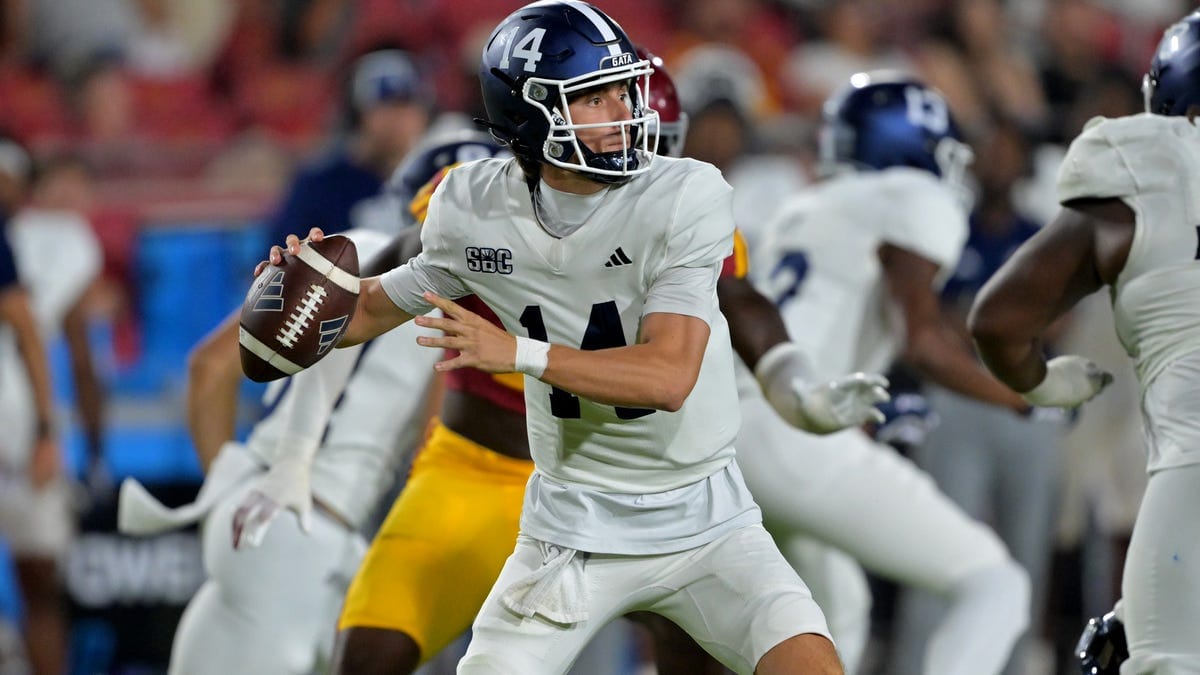
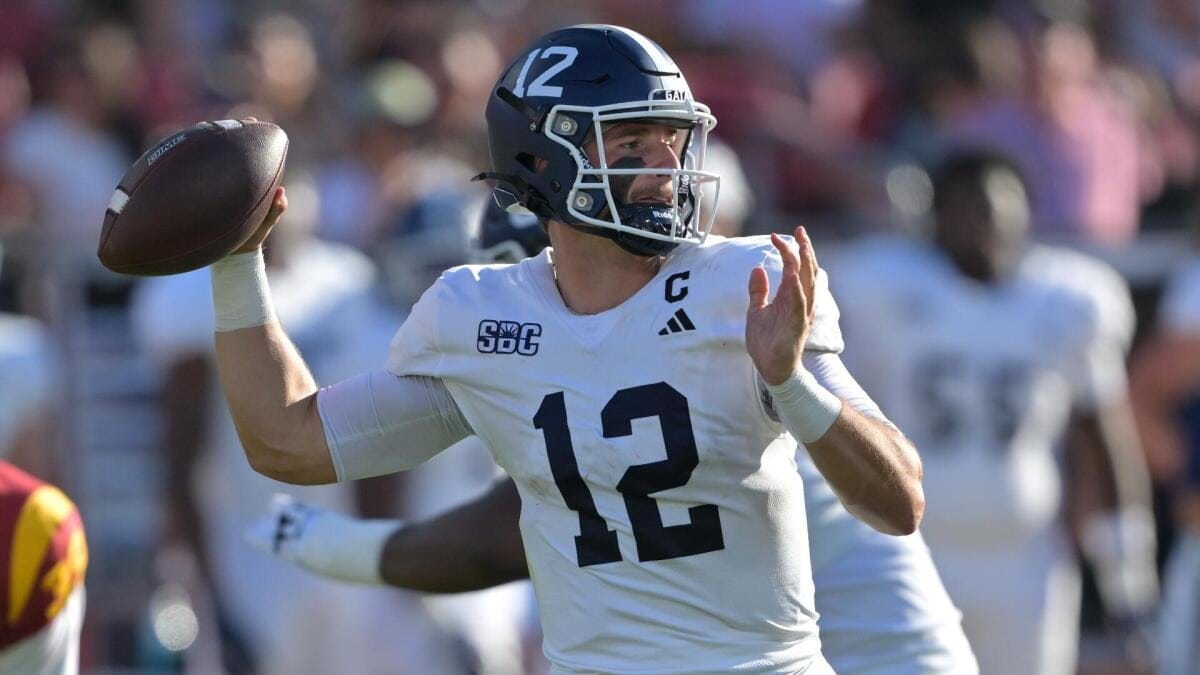
So, here we are. December 29th. The supposed zenith of the college football season, right? Wrong. We are staring down the barrel of the JLab Birmingham Bowl, featuring Georgia Southern versus Appalachian State. (Yes, ‘JLab’—because clearly, nothing says athletic prowess like a laboratory equipment supplier sponsoring a game featuring two teams who couldn’t quite hack it in the real Power Five conversation.) It’s a Monday matinee, a football equivalent of being served lukewarm tap water after expecting champagne. Birmingham loves its governor, apparently, and apparently, they love watching teams fight tooth and nail for bragging rights that nobody outside of Statesboro or Boone will remember by Tuesday morning. This isn’t high drama; this is just college football filling calendar space before the real heavy hitters decide to show up for their mandated New Year’s Six appearances.
The Illusion of Importance: Why Mid-Tier Bowls Are Killing the Sport
Let’s just call this what it is: scheduling filler. The bowl season used to mean something—a reward for excellence, a chance to cap a truly memorable year with a glorious, high-stakes showdown in a desirable locale. Now? It’s an obligation, a contractual requirement fulfilled by teams that finished 8-4 or 7-5, grinding out just enough wins to avoid the dreaded ‘no bowl eligibility’ sticker slapped across their season brochures. (It’s the participation trophy of college athletics, folks.) Georgia Southern, the Eagles, taking on App State, the Mountaineers. Two teams from the Sun Belt Conference that, bless their hearts, played their guts out, but let’s be real—this isn’t Notre Dame versus Ohio State. This is what happens when the NCAA mandates that every eligible team must travel somewhere cold or lukewarm to play a game that nobody asked for, often featuring backups because half the roster decided the early exit to the NFL draft was more appealing than facing a middling secondary in Alabama in late December.
Think about the optics. Kickoff is 1:02 p.m. CT. That’s prime napping time for anyone with a job or a shred of self-respect. This time slot screams ‘We tried to get a TV deal, but nobody bit for primetime.’ (It’s like being asked to the prom after the cool kids have already left for the after-party.) The SportsLine Projection Model probably spits out these predictions with the same enthusiasm it uses to forecast tomorrow’s weather: slightly overcast, 60% chance of meaningless touchdowns. Proven model, they say. What does that model *prove*? That college football has too many damn teams! It proves that even mediocre matchups get a broadcast slot if they involve helmets and corporate sponsorships.
Historical Context: When Did We Start Celebrating ‘Just Enough’?
We have drifted so far from the Rose Bowl’s original intent. Now, we have bowls named after software companies, regional fast-food chains, and apparently, hardware suppliers. The Birmingham Bowl itself—a name that sounds like a neighborhood HOA meeting scheduled during a fire drill—has gone through more title sponsors than a reality TV star has questionable life choices. This game used to be the Liberty Bowl, sometimes the Hall of Fame Bowl. Those names carried *weight*. They implied history, tradition, a certain pedigree. Now, we get ‘Deeper Than Hate’ potentially being played on the same day, which sounds less like a football game and more like a poorly planned interfaith retreat that accidentally scheduled a tackle football session to build ‘bridges of understanding.’ (I shudder to think what the mascot interaction involved.)
App State versus Georgia Southern, for those who haven’t been following the mid-major grind, is a rivalry, sure, but one largely forged in the fires of FCS, the lower division where winning actually meant something significant before the big FBS paycheck arrived. Transitioning to the FBS level often means your historical rivalry suddenly looks like an appetizer before the main course of the actual bowl season. It’s cute, almost endearing, but ultimately, it means very little when the College Football Playoff committee is debating the merits of a 13-0 P5 champion versus a 12-1 P5 champion who lost their conference title game.
The Predictability Trap: Why Odds Don’t Matter Here
When the projection models start churning out ‘picks’ based on historical data, what are they really factoring in? They are factoring in parity among the teams that barely snuck into bowl eligibility. The odds for a game like this often hover near the razor’s edge, meaning the game is expected to be a coin flip. A coin flip game is inherently boring unless you have a massive emotional investment in one of the participants. If you aren’t related to a player, or if you didn’t bleed those colors since birth, why are you watching this at 1 PM on a Monday? You’re watching because the algorithm told you there was ‘college football today.’ That’s the insidious trap. The addiction to volume over quality.
Imagine being the poor soul in the broadcast booth. They have to generate 90 minutes of compelling narrative based on teams whose biggest achievements this year involved avoiding catastrophic losses to non-conference opponents. (They have to talk about ‘heart’ and ‘grit’ a lot, because actual talent is scarce.) They’ll spend half the broadcast timeline discussing the potential of next season, because this season, for both squads, is functionally over the moment the final whistle blows, regardless of the score. If App State wins, they go home slightly happier. If Georgia Southern wins, they get a slightly nicer bus ride back to Statesboro. That’s the summit of stakes here. It’s microscopic.
Speculation Corner: The Aftermath of the Afternoon Slumber Party
What are the true implications of a Georgia Southern victory, or an App State triumph, in the shadow of Protective Stadium? Absolutely zilch for the national conversation. But for recruiting? Maybe. A bowl win, even a tepid one, gets mentioned in recruiting materials. “Come play for us! We win bowl games! Even the afternoon ones in Alabama!” It’s marketing fluff, but necessary fluff in the cutthroat world of non-Power Five talent acquisition. Teams need that tangible proof point, however flimsy, to show recruits that they are ‘on the upswing.’ App State, historically, has had better staying power in these post-season showcases, often punching above their weight class when they have a motivated coach, but motivation wanes when the destination feels like a consolation prize. (It’s the participation trophy, remember? Even the winners just get a slightly fancier plaque.)
If the weather is poor—and this is Birmingham in late December, so expect dampness or chill—it exacerbates the low-energy feel. The field will look heavy, the passes will be wobbly, and the running game will be emphasized not because it’s strategically sound, but because nobody wants to risk a turnover in a game where a single mistake might cost you the coveted ‘bowl victory’ statistic.
We need to talk about the governor thing mentioned in the content snippet. That subtle dig at local political adoration coupled with the scheduling choice suggests a deep, weary cynicism about why this game is even staged there. It’s a political/economic nod to a specific regional appetite for organized football, regardless of the caliber. It feeds the local economy, sure, but at what cost to the integrity of the sport? (The cost is high, but nobody in the economic impact study is allowed to mention it.) We are rewarding travel and participation over genuine achievement. The system is bloated, and this bowl game is a perfect, slightly bloated representation of that surplus capacity.
The JLab Conundrum: Deeper Than Hate and Other Oddities
Consider the adjacent programming. ‘Deeper Than Hate’ being played nearby. That title suggests a profound thematic exploration. The Birmingham Bowl suggests a profound thematic exploration of how many sponsor dollars can be squeezed onto a single broadcast package. It’s a jarring juxtaposition. One promises emotional catharsis; the other promises two hours of watching young men try not to slip on the turf while chasing an oblong ball. We, the viewers, are being asked to pivot seamlessly from one emotional register to the next, and frankly, the mid-tier bowl game sets the bar so low that any genuine emotion feels like overkill. It’s the sports equivalent of elevator music—present, functional, utterly forgettable.
This isn’t analysis; it’s cultural commentary on the excess of modern college football. Every game must be played. Every slot must be filled. If Alabama isn’t playing, someone else must take the field so the networks can fulfill their broadcasting obligations and sell ads for pickup trucks and refinancing rates. And so, we get App State versus Georgia Southern. A game that, were it played in October with conference standing on the line, would be riveting. Played now, on December 29th, it’s just homework.
We should demand better. Or perhaps, we should accept this is the new normal: a sprawling, exhausting landscape of meaningless football that requires an almost pathological dedication from its fans to consume every last scrap. I, as the satirical observer, am mocking it, but even my mockery requires me to acknowledge its existence. And that, friends, is the real victory for the organizers: forcing even the critics to pay attention to the Monday afternoon spectacle of athletic obligation. It’s almost genius in its depressing inevitability. Go watch your model picks; I’ll be watching the clock count down until the basketball season gets serious enough to drown this out. (Seriously, 1 PM kickoff? Who schedules this madness? Oh right, the people who love afternoon football in Birmingham.) The very idea that ‘proven models’ are necessary for this pairing underscores the lack of inherent interest. If it were must-see TV, the models would just confirm what everyone already knew. Here, they are trying to *create* interest where none organically exists. It’s like using a complex algorithm to decide which flavor of unflavored gelatin you should eat. Tepid choices abound. The entire enterprise reeks of corporate desperation masked by team logos. And yet, the satellite dish will be pointed toward Protective Stadium. C’est la vie, I suppose, in the post-holiday football hangover.