The Perfect Crime, The Perfect Victim
Let’s be real for a minute. Pull up a chair. You need to hear this. The timing was perfect, wasn’t it? Almost poetic. The Fallout TV show on Prime Video lands like a perfectly targeted mini-nuke, an absolute triumph that captured the hearts of grizzled wasteland veterans and wide-eyed vault dwellers alike, sending game sales skyrocketing and creating a wave of goodwill so massive you could surf it from Goodsprings to Far Harbor. Everyone was back in the Commonwealth. Happy. And right at the peak of this monumental cultural moment, Bethesda decided to roll out their long-promised, oft-delayed ‘next-gen’ update for Fallout 4. It should have been a victory lap, a high-five to the millions of returning players, a simple gesture to say, ‘We see you, we appreciate you, here’s a little something to make your experience better.’ Instead, it was a slap in the face. A wet, sloppy, calculated slap.
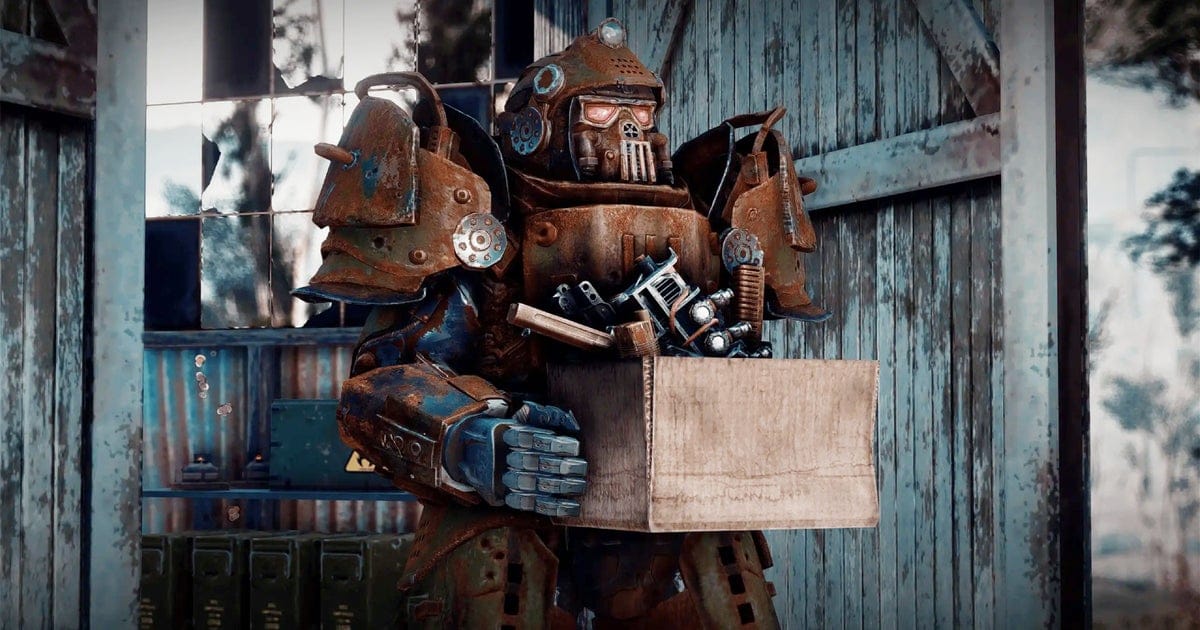
It wasn’t just that it “didn’t quite land with the impact many hoped for,” as some of the more polite outlets are putting it. That’s the understatement of the century. It was a disaster. A complete and utter technical and spiritual failure that tells you everything you need to know about the current state of the studio. Broken mods everywhere, which was expected, but the sheer scale of the breakage was breathtaking, eviscerating years of community work in a single click. For what? Some flimsy widescreen support and a couple of half-baked Creation Club quests? The performance ‘improvements’ were a joke, with many players reporting worse framerates than before. It was a patch designed not for the players who have kept this game alive for nearly a decade, but for a marketing bullet point. Something to slap on a press release to lure in the TV show crowd. A cash grab.
And what happens when the official custodians of a world fail so spectacularly? The people who live there take over. Nexus Mods, the absolute backbone of the PC gaming community for Bethesda titles, had to step in and assemble their own ‘Anniversary Collection.’ Think about that. A third-party platform had to curate a collection of mods to fix and enhance the official update meant to fix and enhance the game. The sheer audacity. The absolute embarrassment for Bethesda. They created a problem, and the fans, the unpaid, passionate, brilliant fans, solved it. This isn’t a bug. It’s a feature of the company’s entire philosophy.
The Ghost of New Vegas
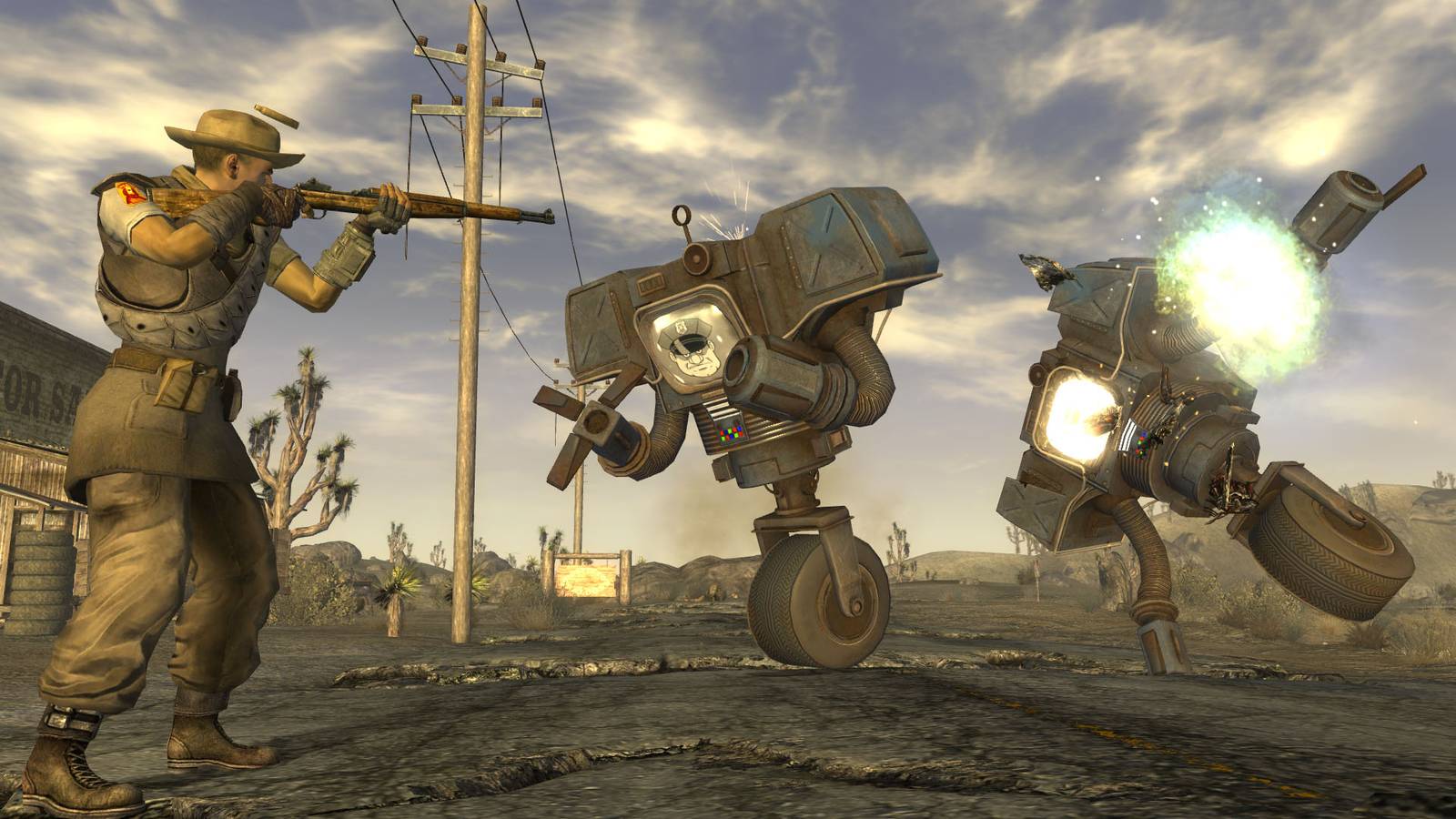
To understand why this happened, you have to look back. You have to whisper the name that I hear is still a sore subject in the halls of Maryland. New Vegas. You see, the source of Bethesda’s current sickness, their creative and technical atrophy, becomes crystal clear when you compare their stewardship of the Fallout IP to the one-shot masterpiece Obsidian Entertainment delivered under crushing pressure. Fallout: New Vegas was a miracle. It was built on the back of Fallout 3’s buggy, creaking Gamebryo engine, handed to a team with an almost laughable 18-month development cycle, and it shouldn’t have worked. It should have been a disaster. Instead, it’s arguably the single greatest role-playing game of its generation. A masterpiece.
Why? Because Obsidian understood the soul of Fallout. They knew it wasn’t about the graphics, the VATS targeting system, or even the settlement building. It was about choice. Real choice. The kind of branching, world-altering decisions that make you put the controller down and think for ten minutes. It was about factions with believable motivations, characters with sharp, witty dialogue, and a world that reacted to your presence in a meaningful way. New Vegas was an RPG first and a shooter second. Bethesda, with Fallout 4, reversed that polarity. They sanded down the dialogue system into a four-option wheel of fortune where three choices meant the exact same thing. They prioritized a voiced protagonist, which fundamentally limited role-playing possibilities, and poured immense resources into a settlement-building system that, while fun for some, was a massive distraction from the core RPG experience. They built a fun sandbox. Obsidian built a living world. There’s a difference.
The inside baseball, the stuff they don’t want you to hear, is that this wasn’t an accident. It’s a deliberate design philosophy. I’ve heard from people, people who know things, that the Bethesda old guard views New Vegas as a fluke, a messy, buggy anomaly full of ‘boring talking.’ They see its success as an indictment of their own design path, and they don’t like it. They believe in wide-as-an-ocean, shallow-as-a-puddle worlds that encourage endless, repeatable radiant quests. Why? Because it keeps you on the hamster wheel. It’s easier to monetize. It’s easier to manage. It’s safer. The Fallout 4 ‘next-gen’ update is the purest distillation of this thinking: minimal effort, maximum marketing potential, with zero regard for the artistic integrity of the game or the community that loves it. It’s a business decision. Not a creative one.
The Bleak Future of the Commonwealth
So where does this leave us? Staring down the barrel of Fallout 5, that’s where. And frankly, I’m terrified. The TV show’s success has bought them an obscene amount of goodwill with the mainstream, and this disastrous patch shows exactly what they plan to do with it. Nothing. They’ll coast. They’ve learned the wrong lesson. They think the brand is so powerful now that they don’t need to try. They believe the modders will always be there to clean up their messes, for free. A permanent, unpaid bug-fixing and content-creation department.
The whispers I’m hearing are not good. The core creative team is stretched thin, with all the real talent and focus being poured into The Elder Scrolls VI. Fallout 5 is, for now, a back-burner project, a distant concept being kicked around by a skeleton crew. They’re looking at the metrics from Starfield and Fallout 76, not the critical acclaim of New Vegas or the narrative triumph of the Prime Video series. They’re asking questions like ‘How can we integrate a battle pass?’ and ‘What’s our live-service roadmap?’ instead of ‘How can we write a compelling story with meaningful choices?’ The Creation Engine, the ancient, duct-taped beast that has powered every game since Morrowind, isn’t going anywhere. They’re just going to add another coat of paint and pray it doesn’t collapse. This ‘next-gen’ update wasn’t a one-off mistake; it was a tech demo for the future of Fallout. A future of broken promises, technical debt, and a complete reliance on the community to do the heavy lifting.
The truth is harsh but necessary. Bethesda Game Studios, as it exists today, is no longer the proper custodian for the Fallout universe. They are landlords, not architects. They own the property, but they’ve forgotten how to build anything meaningful on it. The real soul of Fallout, the spark of creativity and the dedication to deep, reactive role-playing, doesn’t live in their Maryland offices anymore. It lives on Nexus Mods. It lives in the hearts of the writers at Obsidian who made a miracle in the Mojave. It lives with the fans who demand more than just a shiny, shallow playground. The next time they promise you an update, a patch, or a whole new game, remember what they did on November 25th, 2025. They showed you who they are. Believe them.