The Champions League Has Become a Corporate Farce, and Bayern Is Exhibit A
And here we go again, another week, another round of fixtures where the mighty get mightier and the underdogs are just there to fill a time slot for the TV cameras. The schedule is absolutely relentless, they say, but really, it’s a relentless machine designed to print money for the same five clubs while crushing the hope out of everyone else. Because let’s be honest, the Champions League isn’t a competition anymore; it’s a glorified marketing strategy where the results are almost preordained, especially when you’ve got a club like Bayern Munich involved, a club that seemingly views itself as above reproach and, frankly, above the rules.
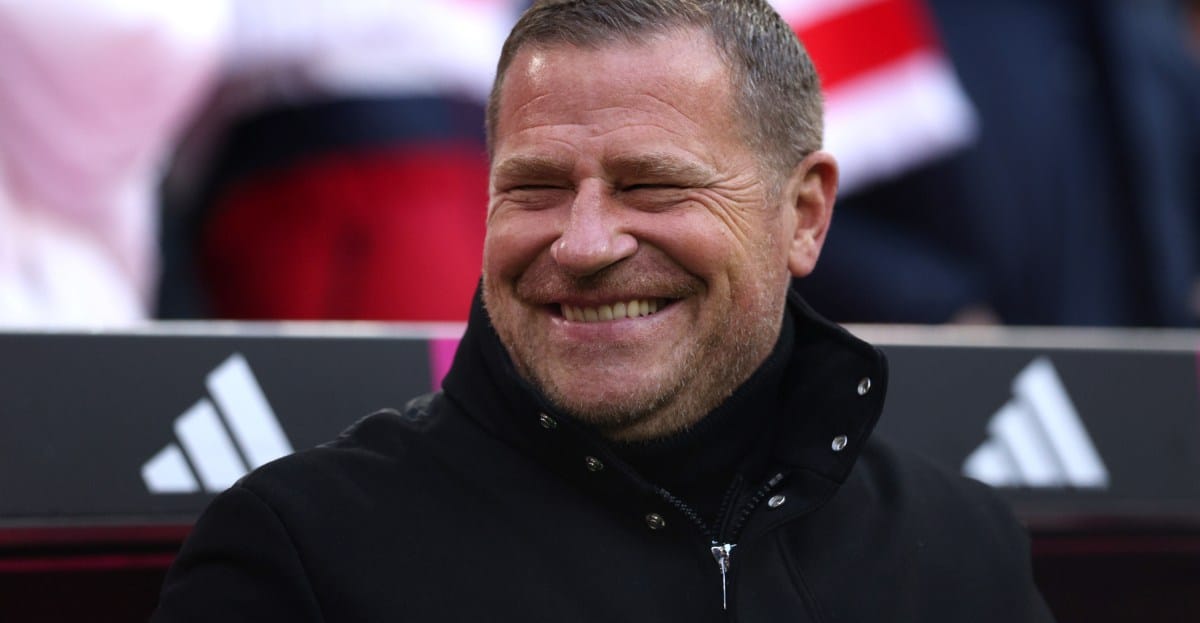
But the real scandal, the absolutely blatant, in-your-face, ‘we don’t even care if you catch us’ scandal, isn’t the relentless schedule; it’s the sheer arrogance on display. Just look at this whole Max Eberl situation. The man, a high-ranking official at Bayern, goes and admits he asked a referee, Tobias Stieler, about Sporting CP—their upcoming opponent! Seriously? The utter gall of it. It’s not just a casual chat; it’s a high-level official from one of the most powerful clubs in the world essentially lobbying a referee, asking for information or, more likely, putting pressure on him, before a critical game against a smaller club.
The Refereeing Conspiracy and the Smell of Collusion
Because let’s not pretend this is just a misunderstanding or a simple, innocent conversation between colleagues. This is exactly how the system works. The big clubs apply pressure in every possible way—through the media, through financial leverage, and now, apparently, through direct communication with the officials themselves. It stinks to high heaven, and it confirms every cynical thought you’ve ever had about modern football. But of course, the media will gloss over it, calling it a ‘misstep’ or a ‘lapse in judgment,’ when really it’s proof that the playing field isn’t just tilted; it’s practically vertical.
And this isn’t an isolated incident. Think about all the contentious refereeing decisions that always seem to go in favor of the ‘legacy’ clubs. When’s the last time a crucial, borderline call against Real Madrid or Bayern in the Champions League final phases was truly controversial? It almost never happens, because the system protects its cash cows. They can’t afford to lose their superstars in the knockouts, so the referees are, consciously or subconsciously, conditioned to make decisions that keep the big show going. The Eberl admission just pulls back the curtain on the whole charade, showing us exactly how deep the rot goes.
Bayern’s Hot Mess and Sporting’s Unwinnable Fight
But let’s talk about Bayern itself. They are not the unbeatable, fearsome machine they used to be. They just lost to Arsenal, a defeat that should have sent shockwaves through the organization but barely registered because everyone is so accustomed to this kind of high-stakes drama. But the underlying truth is that Bayern is currently a hot mess. The defeat against Arsenal wasn’t just a loss; it was a symptom of deeper issues. They’re struggling for identity, lacking the ruthless edge that made them terrifying in previous seasons, and honestly, they’re vulnerable.
And this vulnerability, coupled with their arrogant behavior off the pitch, makes this matchup against Sporting CP absolutely fascinating. Because Sporting CP isn’t just some pushover from a smaller league; they represent something that Bayern has lost: genuine grit and a cohesive team spirit. They are a club fighting tooth and nail against the financial disparity and the institutional bias of UEFA. But because of the Eberl scandal and the general state of officiating, it almost feels like Sporting CP is going into this match with two strikes against them before a ball is even kicked. It’s not a fair fight; it’s a high-stakes ambush where one side brought a knife to a gunfight, and the referee is holding the gun for the other side.
The Relentless Calendar and Player Burnout: A Smokescreen
Because when you hear about the ‘relentless schedule’ and ‘player fatigue,’ it’s usually from the big clubs complaining about having to play too many games. But really, it’s just a diversion tactic. They create these hyper-dense calendars because it maximizes profit, and then they complain about the consequences. It’s a self-inflicted wound, and the only ones truly suffering are the players, who are treated less like athletes and more like commodities to be exploited until they break. And yet, when a club like Sporting CP faces the same schedule, they have fewer resources, less depth, and even less protection from the governing bodies.
But the narrative always favors the big club. If Bayern wins, it’s because they are ‘resilient’ or ‘champions.’ If they lose, it’s because of ‘player fatigue’ or ‘the tight schedule.’ It’s a lose-win situation for them, regardless of the outcome. And because of the Max Eberl incident, we now have to wonder if their ‘resilience’ in this game will be manufactured by the very institutions they are supposed to be competing against.
The Financial Chasm: The Real Villain
And let’s get down to brass tacks: this whole mess is about money. It’s about a handful of clubs—the ones that tried to form the Super League—hoarding all the revenue and power. The Champions League, in its current format, is designed to keep them on top. They’re guaranteed a massive portion of the prize money even if they perform poorly, while smaller clubs have to fight for scraps. And because of this financial chasm, clubs like Sporting CP are forced into a constant battle against clubs like Bayern that have budgets that dwarf entire leagues. It’s not a meritocracy; it’s a protection racket.
Because when you see the disparity in resources, you realize that the on-field performance is secondary to the financial firepower. Bayern can afford to buy any player they want, while Sporting CP has to develop players and then sell them off just to survive. So when Eberl talks to a referee about Sporting CP, he’s not just talking about an opponent; he’s talking about a club that represents the very real possibility that the ‘little guy’ might actually compete, which is something the establishment absolutely cannot allow.
Future Predictions: The Unavoidable Outcome
Because let’s not delude ourselves into thinking that this match against Sporting CP will be fair. The pressure is on Bayern to win, especially after the Arsenal defeat. The narrative demands that Bayern return to form and crush their smaller opponents. And with the shadow of Eberl’s comments hanging over the game, you can almost guarantee that if there’s a questionable penalty call or a red card, it will go against Sporting CP. It’s almost inevitable. The system protects its own, and Bayern is the epitome of ‘its own.’
But a true fan, one who cares about the integrity of the game more than the glory of a specific club, knows that the real victory isn’t about who wins the match. The real victory would be for a club like Sporting CP to truly expose the cracks in Bayern’s armor, to show the world that this institution built on arrogance and financial excess is, in fact, vulnerable. But because of the institutional protection, because of the relentless schedule that favors the deepest pockets, and because of the backroom deals like Eberl’s conversation, we’ll probably just get another predictable outcome. It’s a sad state of affairs for a sport that claims to value fair play and competition. The fix is in, and we’re just spectators watching the pre-recorded show.