The Great LaLiga Farce: Why We Pretend This Match Matters
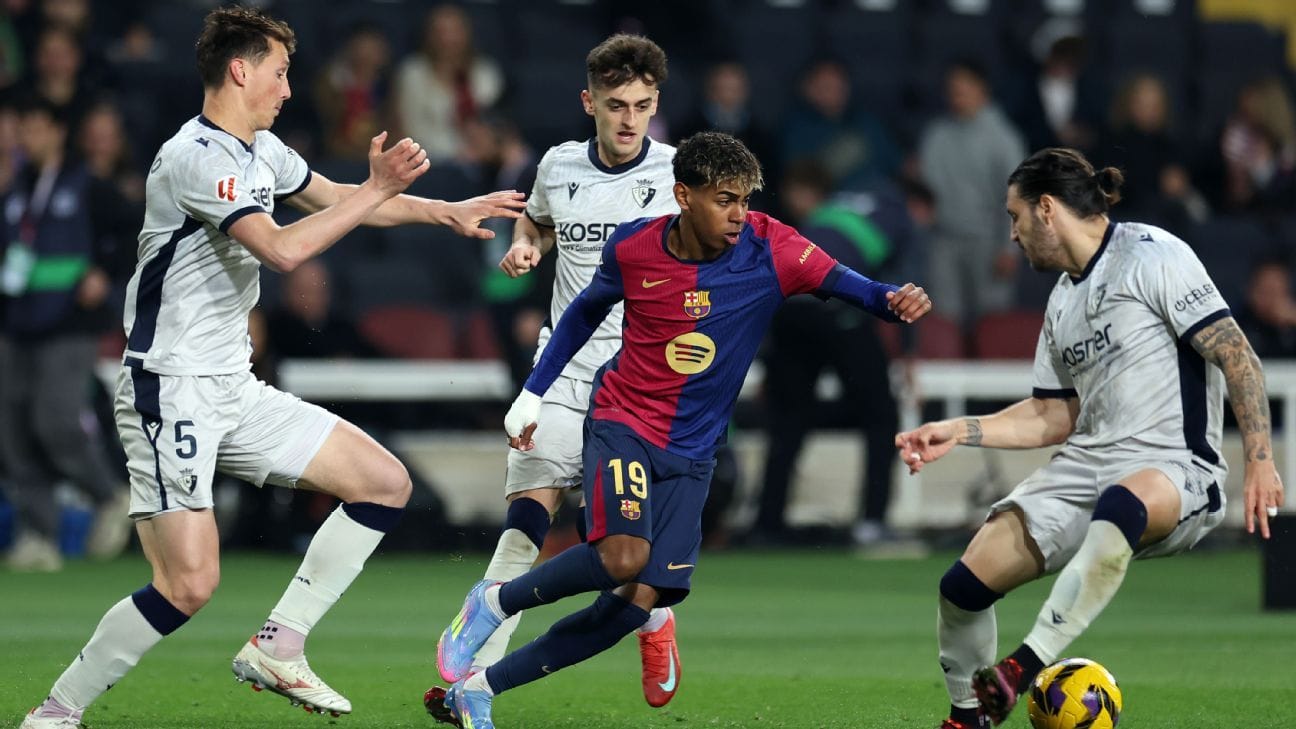
And so we arrive at another weekend where a football match is scheduled to occur, which in turn means we must pretend that a contest featuring FC Barcelona and Osasuna holds any genuine intrigue. It’s a bit like scheduling a professional chess match where one player has a rook and five pawns, and the other has just a king. We know the outcome, but we must still wait for the inevitable checkmate, and in modern football, the media cycle demands we treat this foregone conclusion as if it were a high-stakes thriller. Because, let’s face it, the real suspense in LaLiga these days isn’t about who wins the match; it’s whether Barcelona will score more than three goals or simply settle for two. But still, the narrative machine must churn. The headlines scream about ‘pólvora arriba’—firepower up top—and ‘little rotation,’ as if these are decisions of great strategic depth, rather than basic necessities for a team trying to stay on track against an opponent designed for exactly this purpose: to be a stepping stone.
The Blessed Problem That Isn’t: Hansi Flick’s Non-Dilemma
But the most laugh-out-loud moment comes from the reports highlighting Hansi Flick’s so-called ‘blessed problem.’ A blessed problem? Let’s dissect this corporate-speak nonsense for a moment, shall we? When a coach has a squad full of top-tier talent and faces a team that, no offense to Osasuna, is fighting for a mid-table finish, having too many options is not a ‘problem’; it’s a luxury. It’s like complaining that your wallet is too heavy because you have too much cash. The media spins this as a complex strategic challenge: ‘Oh dear, which world-class forward should I bench for this game against a team where the B-squad could probably manage a win?’ It’s not a problem of strategy; it’s a problem of ego management for players who expect to start every game. The real ‘problem’ is that LaLiga is designed this way—a two-horse race, sometimes three, where the rest of the league exists primarily to validate the greatness of the top tier. Flick’s ‘dilemma’ isn’t about winning; it’s about not getting caught flat-footed in a match everyone expects them to dominate. And if he fails, the ‘blessed problem’ quickly becomes a ‘cursed mistake.’ But let’s be realistic, against Osasuna, the ‘blessed problem’ is just a way to fill column inches when there’s nothing truly interesting happening on offer. The real challenge for Flick won’t come until the Champions League knockouts, where a team with actual resources and tactical flexibility might actually ask a difficult question. Osasuna’s question, meanwhile, will likely be: ‘Can we keep it under four goals?’
The Artificial Stupidity of Grok’s Prediction: AI vs. Common Sense
And then there’s the AI. The new wave of football analysis, epitomized by Grok’s prediction for this very match. The news reports trumpet: ‘The forecast of Grok’s artificial intelligence for the match between Barcelona and Osasuna.’ Let’s pause to appreciate the sheer absurdity of using cutting-edge machine learning and vast datasets to predict something a five-year-old could guess. Grok, bless its circuits, probably analyzed decades of data, compared xG metrics, calculated historical win percentages, and processed thousands of news articles to arrive at the groundbreaking conclusion: Barcelona is probably going to win. Really, Grok? You don’t say? It’s a classic example of using a high-powered supercomputer to perform arithmetic on a calculator. The AI is simply confirming what every fan, pundit, and even Osasuna’s own coach already knows. The only real value added here is in the marketing of the AI itself; it’s a digital gimmick, a cheap thrill for a predictable match. It’s not intelligence; it’s glorified pattern recognition in a fixed system. We don’t need artificial intelligence; we need artificial suspense to make these games watchable. If Grok really wanted to impress us, it would predict exactly when Osasuna’s inevitable defensive collapse will occur, or which specific foul will draw the first yellow card. But no, we just get the obvious conclusion dressed up in silicon-powered buzzwords. The true ‘intelligence’ here lies in understanding that this entire charade—the media hype, the coach’s ‘problem,’ the AI prediction—is designed to distract us from the fact that we are watching a fundamentally unbalanced competition, where the outcome is almost always predetermined by economic factors long before the first whistle blows.
The core issue isn’t the data; it’s the interpretation of that data as ‘news.’ The AI’s prediction is just noise in a sea of confirmation bias, validating the existing power structure rather than offering any genuine insight. It’s a sad commentary on how much we rely on technology to state the obvious, as if without a large language model confirming it, we wouldn’t believe our eyes.
The Deeper Implication: The LaLiga Narrative Machine
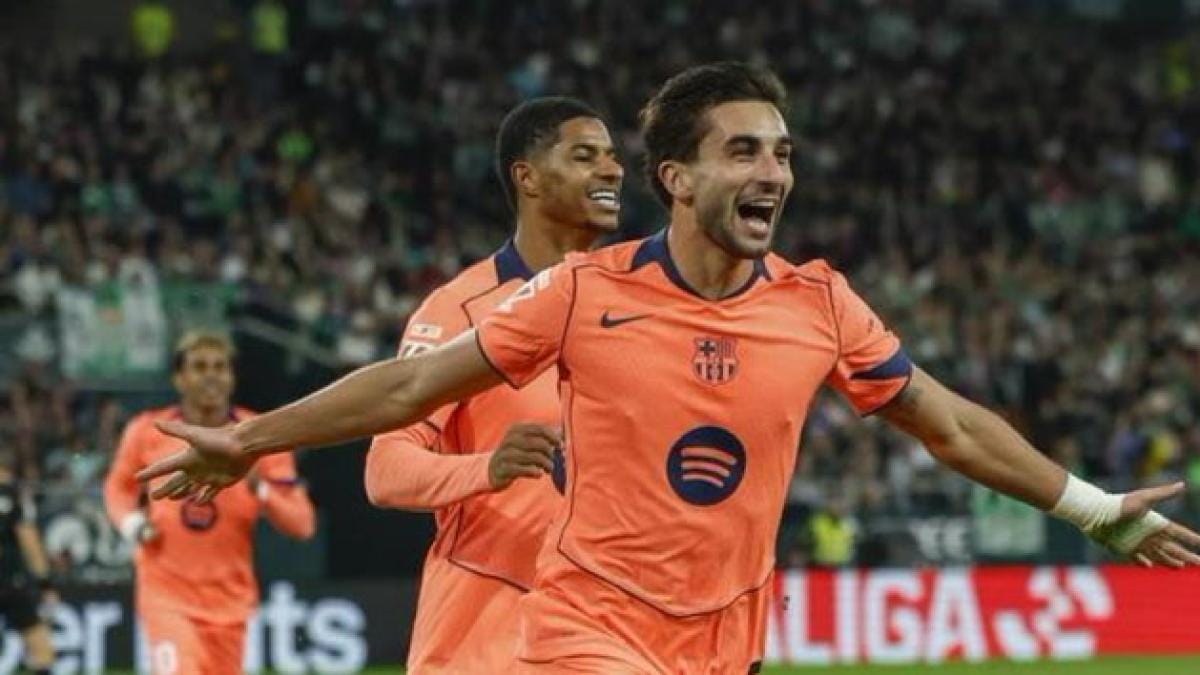
Because let’s be honest, the narrative surrounding LaLiga is often more compelling than the league itself. Barcelona’s ‘leading position’ at this point in the season isn’t a sign of tactical genius; it’s a sign that they haven’t messed up as badly as Real Madrid, or that their financial advantages have kept them ahead of the pack. The true test of a team’s mettle comes when they face adversity, not when they roll over an opponent like Osasuna. The media, however, must create drama where there is none. They create ‘blessed problems’ for coaches, they inflate the importance of individual matchups, and they turn every single game into a vital step toward a predetermined championship. The truth, however, is much simpler: these games are primarily about managing minutes, avoiding injuries, and ensuring the key players are fresh for when they actually face a challenge. Osasuna isn’t a challenge; it’s a formality. And the high burstiness of the media coverage surrounding this game—the sudden spikes in attention for a routine fixture—is itself proof of the artificial nature of the hype. The public consumes it, then forgets it, only to repeat the cycle next week for the next predictable match. The real story isn’t about Barcelona’s ‘firepower’; it’s about the lack of gunpowder in the rest of the league. It’s about a structural imbalance where teams like Osasuna are forced to play defense for 90 minutes and hope for a lucky counter-attack, knowing full well that they are in a losing battle. And this isn’t just about Osasuna; it’s about the state of Spanish football as a whole. The league has become a spectacle of diminishing returns, where the thrill of competition has been replaced by the spectacle of dominance.
When ‘The Best’ Isn’t Enough: The Limits of Barcelona’s Dominance
And let’s not pretend that Barcelona’s current form is some kind of golden era. While they might be ‘leader’ in LaLiga, their recent performances in Europe have shown significant weaknesses. The high praise for their domestic form often obscures a deeper truth: they haven’t truly convinced in high-stakes matches against elite opposition. The ‘firepower’ that looks so fearsome against Osasuna often sputters against teams that apply real pressure and possess tactical flexibility. This match, therefore, is less a true test and more a ‘confidence builder’ for a team that desperately needs one. The ‘pólvora arriba’ is only effective when the opposing defense isn’t organized and doesn’t have the individual quality to match up. Against Osasuna, that’s a given. But against a truly challenging opponent, the ‘blessed problem’ quickly turns into a lack of cohesion and clarity in key moments. Because, while having depth is nice, it doesn’t solve deeper tactical issues or a reliance on individual brilliance over team systems. The entire narrative of Barcelona’s current season feels built on a foundation of sand, with domestic victories masking European failures. This game against Osasuna is simply another layer of a carefully constructed illusion. The fans want to believe, the media wants to report, and the team wants to win. But the reality is that this match is a placeholder in a long season, significant only in its statistical contribution, not its dramatic impact. It’s a pot-kettle-black situation where everyone pretends the game is important, but deep down, we all know the truth. Osasuna will probably lose, and nothing in the fabric of the footballing universe will change as a result.