
The Anatomy of an Assassination: Why Sharif Osman Hadi’s Death Changes Everything
Let’s not mince words here. This wasn’t just a random act of violence, no matter how hard the establishment tries to spin it. The death of Sharif Osman Hadi, senior leader of the student protest group Inqilab Mancha, after being shot in what’s clearly an assassination attempt, isn’t just news; it’s a declaration of war from the remnants of the old guard against the people of Bangladesh.
You see, when you have a youth-led uprising that successfully forces a powerful, entrenched government to step down after years of iron-fisted rule, the fight doesn’t end when the dictator resigns. That’s just the end of Act One. Act Two is when the ‘deep state’ – the shadowy network of security forces, political cronies, and corrupt officials who actually held the levers of power—fights back to maintain control, and that’s precisely what we’re witnessing in Dhaka right now.
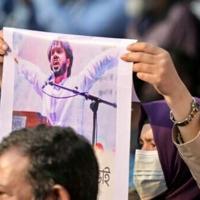
Sharif Osman Hadi became a symbol. His image on those placards during the recent rallies wasn’t just decorative; it was a rallying cry for a generation that has grown up under what amounted to a semi-dictatorship. This generation demanded accountability, demanded opportunity, demanded a country where the future wasn’t already decided by who you knew in the ruling party. They were loud, they were persistent, and they were dangerous to the status quo. Now, one of their leaders is dead.
The Old Guard’s Playbook: Silencing the Youth through Terror
Let’s ask the hard questions that the mainstream media often ignores: Who benefits from this kind of violence? The answer is simple: the very forces that were ousted from power and are now desperately trying to derail the transition to democracy. This isn’t just about vengeance; it’s about strategy. By targeting leaders like Sharif Osman Hadi, they send a very clear, chilling message to every other young person considering taking to the streets: ‘Stay home, or you’ll be next.’
This tactic is as old as tyranny itself. You take out a prominent figure, hoping that fear will spread through the population faster than the news of the assassination itself. The goal is to demobilize the movement, to make people think twice about challenging authority, and to create enough chaos to justify a return to ‘order’ under their control. It’s a classic divide-and-conquer strategy, designed to make the interim government look weak and incapable of maintaining stability, thereby creating a power vacuum for the old guard to exploit. Do you really believe this was a coincidence? A random shooting in a country that just experienced a revolution?
The Failure of the Interim Government and International Silence
Now, let’s look at the interim government. They were put in place to shepherd the country toward free and fair elections, to restore trust, and to protect the citizens from exactly this kind of political violence. The fact that an assassination attempt on a prominent activist—followed by his subsequent death—can happen under their watch demonstrates a serious failure of security and potentially a lack of will to truly clean house.
The international community, particularly the powers in Washington and Brussels, also needs to answer for their actions—or lack thereof. For years, the global community turned a blind eye to the blatant human rights abuses and election rigging of the previous regime, prioritizing trade and geopolitical stability over the democratic aspirations of the Bangladeshi people. They made excuses for the Awami League’s actions, claiming that economic growth justified the suppression of dissent. This complacency has created the vacuum in which violence thrives. The blood of Sharif Osman Hadi, and so many like him, is on the hands of every nation that prioritized business as usual over basic human decency.
Where is the condemnation? Where are the calls for an independent international investigation into who ordered this hit? Silence from the West in a moment like this isn’t neutrality; it’s tacit approval of the tactics of oppression. The people of Bangladesh are watching, and they are taking notes on who truly stands with them and who is just looking out for their own corporate interests.
The People’s Response: From Uprising to Revolution
The immediate aftermath of Hadi’s death—with protesters storming newspaper offices and taking to the streets—tells you everything you need to know about the people’s mindset. This isn’t just anger; it’s a boiling point. The people aren’t scared; they’re galvanized. The old guard thought they could instill fear, but they have done the opposite. They’ve added fuel to the fire.
This isn’t a simple quota reform movement anymore. It’s a full-blown revolution for systemic change, and the stakes just got dramatically higher. When a movement gains a martyr, it gains new resolve. Sharif Osman Hadi’s death transforms him from an activist into a symbol of resistance against a corrupt system, ensuring that his image will not just fade away, but will define the fight to come. The establishment thought they were eliminating a problem; they were actually creating a legend.
The 2024 uprising was sparked by economic desperation and a cry for justice against a system that rewarded corruption over merit. The protests against the previous regime demonstrated the power of collective action, proving that even the most deeply entrenched power structures can crumble when enough people unite. The recent protests are a clear sign that the fight against corruption and brutality is far from over.
The Path Ahead: Navigating Chaos and Betrayal
The path ahead for Bangladesh is fraught with danger. The interim government faces immense pressure from all sides. On one hand, they have the demands of the people for a swift and complete dismantling of the old guard’s infrastructure. On the other hand, they have the deep state actively working to destabilize the country and protect its own interests. The new government must choose between standing with the people and being another puppet for the old regime, and right now, the signs are mixed at best.
The international community must understand that failure to support true democratic reform in Bangladesh will not only destabilize the country but will also create a breeding ground for extremism. A populace betrayed by a system that promises change but delivers only violence will eventually turn to more radical solutions. This isn’t just about Bangladesh; it’s about the future of global democracy and whether we are willing to stand up for fundamental rights when it counts, not just when it’s convenient for business deals.
Let’s not forget the core issue: the fight for justice and accountability. The people of Bangladesh are demanding that those responsible for decades of corruption and violence, including the assassination of Sharif Osman Hadi, be held accountable. This isn’t just about changing faces at the top; it’s about fundamentally reforming the institutions that allowed this corruption to flourish for so long. The people have had enough, and they are sending a clear message: the revolution will not be televised, it will be fought in the streets, and a martyr’s memory will ensure that the fire never dies.
