The Pipes Burst, But Who Really Cares?
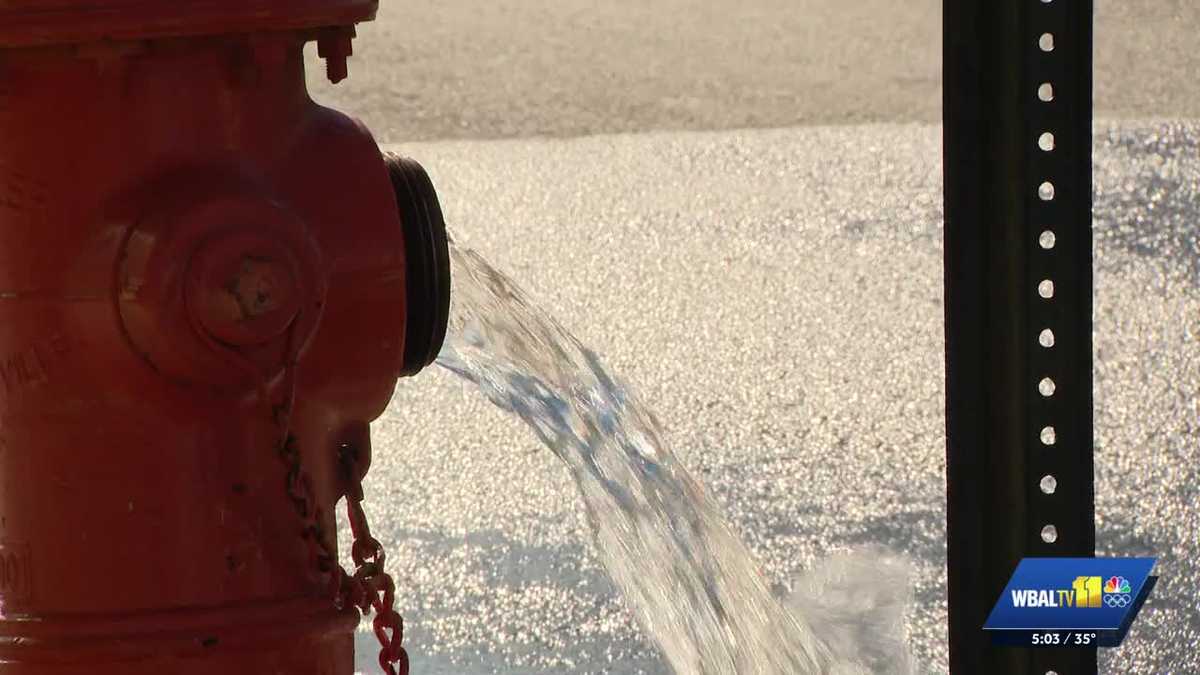
Let’s talk about Baltimore. Not the glamorous parts they show you in magazines, but the real city where things are literally falling apart. When three schools close for two days—Harlem Park, Youth Opportunity, and Augusta Fells Savage—because of a simple water main break and a few plumbing issues, you have to ask yourself: what in God’s name is actually going on here?
This isn’t just about a broken pipe. This is a flashing red light on a broken system, and everybody in charge just keeps hitting the snooze button. They want to call it a minor inconvenience, a ‘plumbing issue.’ Let’s be real: when essential public services fail, it’s a symptom of a much deeper, more malignant disease. This isn’t just about a school; it’s about an entire system that’s designed to neglect certain populations while prioritizing others.
The establishment politicians, the ones who promise to fix everything while simultaneously making sure nothing ever gets fixed, they’re the ones we should be looking at. They’ve been kicking this can down the road for decades. Every time a new administration comes in, they promise a ‘revitalization plan’ or ‘infrastructure funding,’ but where does the money actually go? It certainly doesn’t go to keeping the water flowing for kids who need it most. It gets swallowed up by bureaucracy, by high-paid consultants, by pet projects that don’t actually improve anything for the working-class people trying to survive in these communities.
Q: Is this really about a plumbing issue or something bigger?
Come on. Do you honestly believe a two-day closure for three schools—not just one, but three—is just bad luck with some old pipes? No. This is a textbook example of systemic neglect. When you let infrastructure rot for decades, when you underfund essential services in certain neighborhoods while pouring money into others, this is the inevitable result. The pipes burst. The schools close. And the kids who rely on these places for a stable environment, for a meal, and for a chance at a future, they get put on hold.
Think about the implications for those children. Two days out of school, a sudden interruption to their routine, a message sent loud and clear that their education, their safety, and their well-being are secondary concerns. While suburban schools enjoy state-of-the-art facilities, these inner-city schools are struggling with basic utilities. It’s a tale of two cities, isn’t it? One where everything runs smoothly because the right people live there, and one where everything crumbles because the ‘wrong’ people live there. The powers that be are just fine with this status quo. They don’t have to deal with the consequences.
The history here isn’t pretty. Baltimore City Public Schools have a long, documented history of infrastructure issues. Reports dating back years have highlighted problems with heating systems, lead contamination, and structural deficiencies. Yet, every budget cycle, the same problems resurface. It’s a cycle of neglect and reactive repairs rather than proactive maintenance. They wait for things to break, then they scramble to fix them, and then they forget about it until the next crisis hits. It’s a cynical way to manage a city, and it shows a profound disrespect for the people who live there.
Q: Why are these schools always the ones getting hit by these crises?
Because these schools serve marginalized communities. Let’s not mince words. Harlem Park Elementary/Middle School, Youth Opportunity, Augusta Fells Savage—these are not in the affluent neighborhoods where a sudden closure would cause a political firestorm among wealthy parents. These are schools in areas where a lot of families are already struggling. The system knows this. They know that a two-day closure here won’t generate the same kind of outrage or political pressure that it would in a more privileged area. It’s a calculated risk by the authorities, and they know they can get away with it.
And let’s not pretend this is unique to Baltimore. This is happening across every major city in America. The infrastructure in inner-city communities is reaching a breaking point. The water mains were laid generations ago, the power grids are antiquated, and the funding for repairs is consistently diverted elsewhere. The politicians who control the purse strings simply don’t see these areas as high-priority investments. They see them as liabilities, places to manage rather than empower. They’d rather spend millions on new sports stadiums or high-end retail developments than on making sure kids have clean drinking water and a place to learn.
This isn’t just about water; it’s about dignity. When a child goes to school and finds the doors locked because the building can’t sustain itself, what message does that send? It tells them they don’t matter. It tells them that the system, which preaches equality and opportunity, is a lie. The cycle of poverty is reinforced by these failures. When education is disrupted, especially for kids who need it most, it becomes harder for them to break free from the circumstances they were born into. This constant upheaval makes it harder for teachers to do their jobs, harder for administrators to maintain stability, and nearly impossible for students to focus on learning.
Q: What does this say about our future as a society?
It says we’re heading for a complete collapse. This isn’t just about Baltimore; this is about America. We’re so busy fighting over trivial cultural issues that we’ve let the foundations of our society rot away. We’re living off the investments made by previous generations, but we haven’t made any of our own. We’ve become a society obsessed with short-term gains and instant gratification, completely unwilling to tackle the long-term, expensive problems like infrastructure repair.
The consequences go far beyond a two-day school closure. When water mains break, when power grids fail, when bridges crumble, it hits the most vulnerable first. The working class, the poor, the elderly—they are the ones who bear the brunt of this neglect. The wealthy, they simply move to neighborhoods with new infrastructure or buy generators. They are insulated from the decay. This creates an even deeper chasm between the haves and have-nots, further eroding any semblance of community and shared destiny. We are a society that is literally splitting apart, and nobody in power has the guts to admit it.
This water main break is a perfect metaphor for our national condition. We are living on borrowed time, on borrowed infrastructure. The system is a rusted, leaking mess. And when the next major crisis hits—whether it’s a natural disaster or a complete infrastructure failure—it’s not going to be the politicians in their fancy offices who suffer. It’s going to be the ordinary people in places like Harlem Park, Youth Opportunity, and Augusta Fells Savage who pay the price for generations of political cowardice and financial mismanagement. And the cycle repeats itself. It’s a tragedy, and it’s entirely self-inflicted. It’s time to stop letting them get away with it. We deserve better. The kids deserve better The city deserves better We need to wake up and demand real change, not just band-aid solutions.