The Browser Gatekeeping Nightmare of 2025
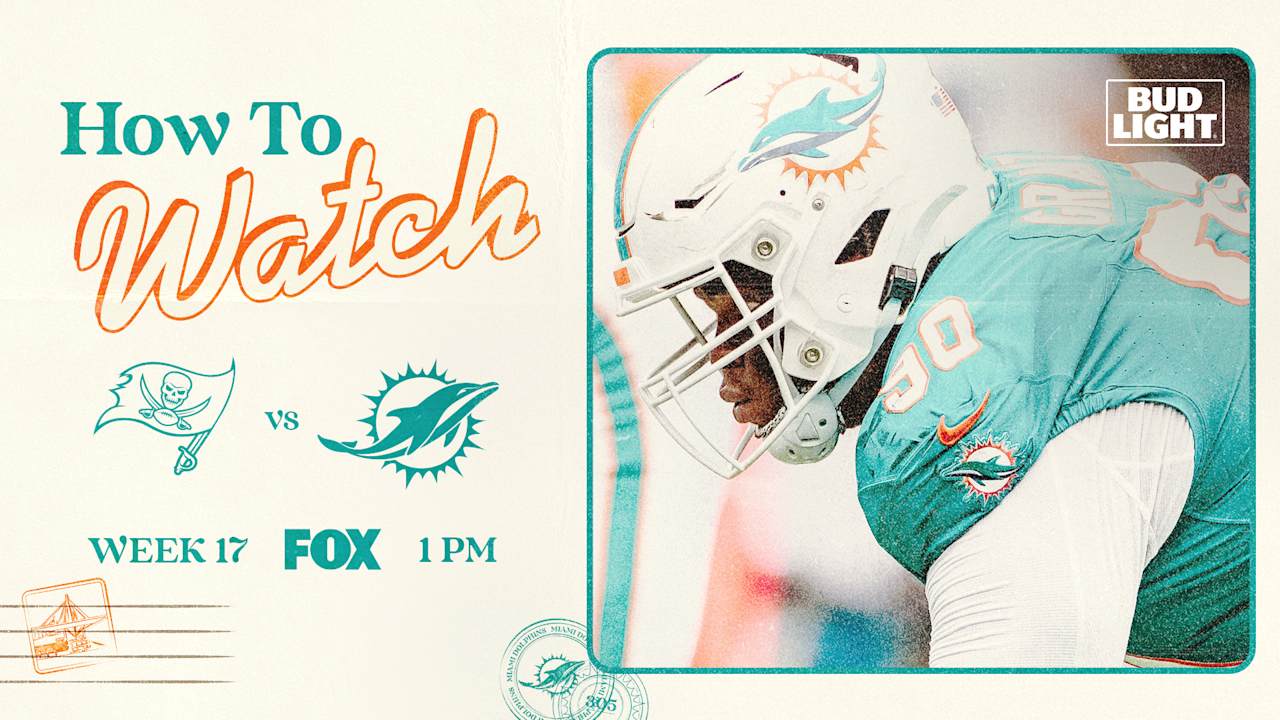
Imagine the scene: you have paid your exorbitant subscription fees, you have endured the relentless barrage of gambling advertisements that treat your living room like a digital casino, and you finally sit down to watch the Tampa Bay Buccaneers try to claw their way back into the NFC South race against the Miami Dolphins. Then, the screen goes white. A sterile, sans-serif font informs you that your browser is no longer supported. This is the state of modern sports viewership (a bloated, over-engineered mess that prioritizes DRM and data harvesting over the actual fan experience). It is a calculated insult to the intelligence of the average consumer who just wants to see Baker Mayfield throw a spiral without a software update interrupting the third down. The tech industry has decided that your five-year-old laptop is a relic, an ancient artifact incapable of rendering the sweat on a linebacker’s brow, and so they lock the gates. They want you in the ecosystem, trapped in a loop of hardware upgrades and forced iterations. It is pathetic. The game is in Miami, but the real struggle is in the living room of every fan who realizes they are no longer the customer, but the product being squeezed by the NFL’s digital distribution partners who cannot even build a stable web interface.
Baker Mayfield vs the Algorithmic Doubt
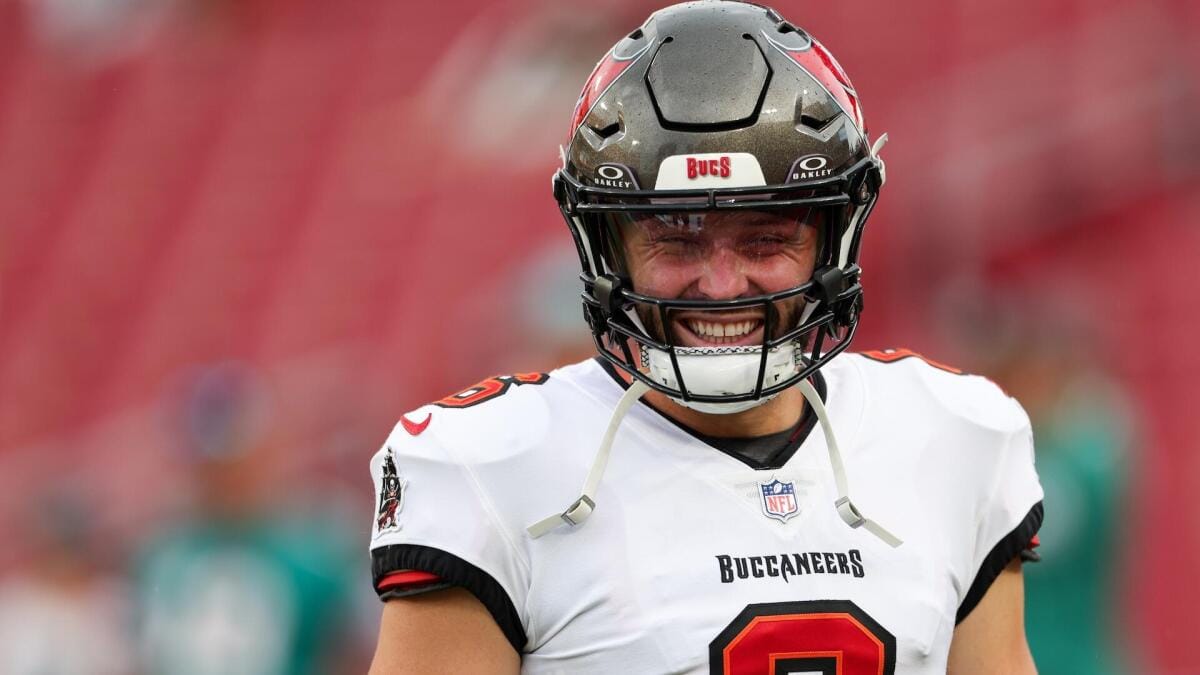
The pundits love their numbers. They sit in their air-conditioned studios in Bristol and Los Angeles, pouring over Expected Points Added and Completion Percentage Over Expectation as if they were reading the entrails of a sacrificial goat. They say the Dolphins have the speed. They say the Dolphins have the home-field advantage at Hard Rock Stadium. But they forget about the human element (the sheer, unadulterated grit of a man who has been discarded by more teams than most players ever sign with). Baker Mayfield is the antithesis of the tech-driven NFL. He is loud, he is inconsistent, and he is a survivor. While the ‘supported browsers’ fail us, Mayfield succeeds because he does not play like a simulation. He plays like a man who knows his career is one bad interception away from a retirement home. The prediction here isn’t based on a Monte Carlo simulation. It is based on the fact that the Buccaneers are coming off a three-game losing streak and the Dolphins are prone to melting under the Florida sun when the stakes actually matter. Miami is a team built for highlights; Tampa is a team built for the trenches. In a world of digital mirrors and smoke, I’ll take the guy who looks like he just crawled out of a bar fight and decided to throw for 300 yards. Logic is a lie told by people who have never felt the weight of a helmet.
The Illusion of the Miami Home Field Advantage
Hard Rock Stadium is a monument to excess and the strange, plastic culture of South Florida. It is a place where people go to be seen, not necessarily to see. The ‘last home game of the season’ tag carries a certain weight, a finality that implies a grand send-off, but for the Dolphins, it often feels like a fashion show with a side of football. The digital interface for the tickets is probably as broken as the streaming sites. You need an app to park, an app to buy a $18 hot dog, and an app to prove you exist. It is exhausting. This tech-centric approach to the stadium experience mirrors the team itself: flashy, expensive, and prone to crashing when you need it most. The Buccaneers, meanwhile, represent the weathered side of Florida—the humidity-soaked, blue-collar reality that doesn’t care about your latest software version. The NFC South is a dumpster fire (let’s be honest about that), but being the king of a trash heap is still better than being a footnote in the AFC East. This game is about the survival of the unfashionable. The Dolphins will try to dazzle with pre-snap motion and speed that looks like a video game on 2x speed, but games are won when the clock is ticking down and your fancy digital playbook fails because the defense decided to play physical. It is a collision of worlds.
The Death of Local Broadcast Logic
Remember when you could just turn on a television? You turned a dial, adjusted an antenna (sometimes with a bit of tin foil), and the game appeared. No ‘unsupported browser’ errors. No ‘location services’ checks to see if you are accidentally watching a game from thirty miles outside the arbitrary blackout zone. The NFL has sold its soul to the silicon gods. They have carved up the broadcast rights like a Thanksgiving turkey, leaving the fans to hunt for the scraps across a dozen different platforms. If you are in Tampa, you might get it on one channel; if you are in Miami, another; and if you are anywhere else, you better hope your internet service provider isn’t throttling your connection because they want you to buy their proprietary sports package. This isn’t progress. It is a fragmented, user-hostile landscape designed to maximize friction while minimizing satisfaction. The fact that fans have to research ‘where to watch’ weeks in advance is a testament to the failure of the league’s leadership. They are chasing the crypto-wealthy, the tech-obsessed, and the gambling-addicted, leaving the legacy fan—the person who actually knows the names of the offensive line—in the dust. It is a cynical play for a digital future that feels increasingly hollow. The game itself—the 22 men on the field—is becoming a secondary concern to the ‘optimized viewing experience’ that nobody actually asked for. It’s a joke.
Psychological Warfare via Betting Odds
The odds-makers are the high priests of this digital religion. They set the lines, and the sheep follow. But look closely at the Buccaneers vs. Dolphins spread. It is designed to manipulate, to draw in the ‘smart money’ that thinks it has cracked the code. They point to the Dolphins’ explosive offense as if it’s an immutable law of physics. It isn’t. It’s a fragile ecosystem that falls apart if the timing is off by a millisecond. The Tech Skeptic knows that the real value lies in the chaos. Baker Mayfield thrives in chaos. When the algorithm says he should lose, he plays his best football because he doesn’t believe in the algorithm. He probably doesn’t even know what an algorithm is. He just knows that if he hits Mike Evans on a deep post, the numbers don’t matter. The betting markets are just another layer of the ‘supported browser’ nonsense—a way to gatekeep the sport behind a wall of fake complexity. They want you to think you’re an analyst, but you’re just a gambler in a fancy user interface. Forget the odds. Look at the motivation. Tampa is fighting for their lives in a weak division. Miami is looking toward the playoffs with an arrogance that is almost digital in its coldness. The upset isn’t just possible; it’s the only outcome that makes sense in a world that has become too predictable and too sanitized. We need more grit and less glass-screen perfection.
A Future of Glitches and Gridiron
Where does this end? Eventually, the NFL will probably try to host a game entirely in the metaverse, with digital avatars of Baker Mayfield and Tua Tagovailoa competing for ‘fan tokens’ while the actual players sit at home in VR goggles. If you think the ‘unsupported browser’ message is bad now, just wait. The trajectory is clear: less reality, more mediation. This Week 17 matchup is a preview of that struggle. It is a game played in the real world—the physical, humid, brutal world of Florida—but consumed through a lens of failing technology. We are at a tipping point. Either we demand a return to simplicity, or we accept that we will never truly ‘own’ the experience of being a fan again. We are just temporary licensees of a sports product that can be revoked at any time by a server error in Northern Virginia. So, when you try to tune in this Sunday, and the stream stutters, and the site tells you to update your Chrome for the tenth time this week, remember: the game is real, but the platform is a scam. Enjoy the football, if you can find it. But don’t for a second think that the people selling you the stream care about the score. They only care about the uptime of their ad-server. The Buccaneers might win the game, but the tech giants are winning the war for your attention and your wallet. It is a grim outlook, but at least we have the chaos of Baker Mayfield to keep us entertained while the digital walls close in around us. One day, the browser won’t just be unsupported; it will be mandatory, and that is the day the sport truly dies. Until then, we fight the interface to watch the game.