Another Rave Review From The People Who Don’t Pay For Tickets
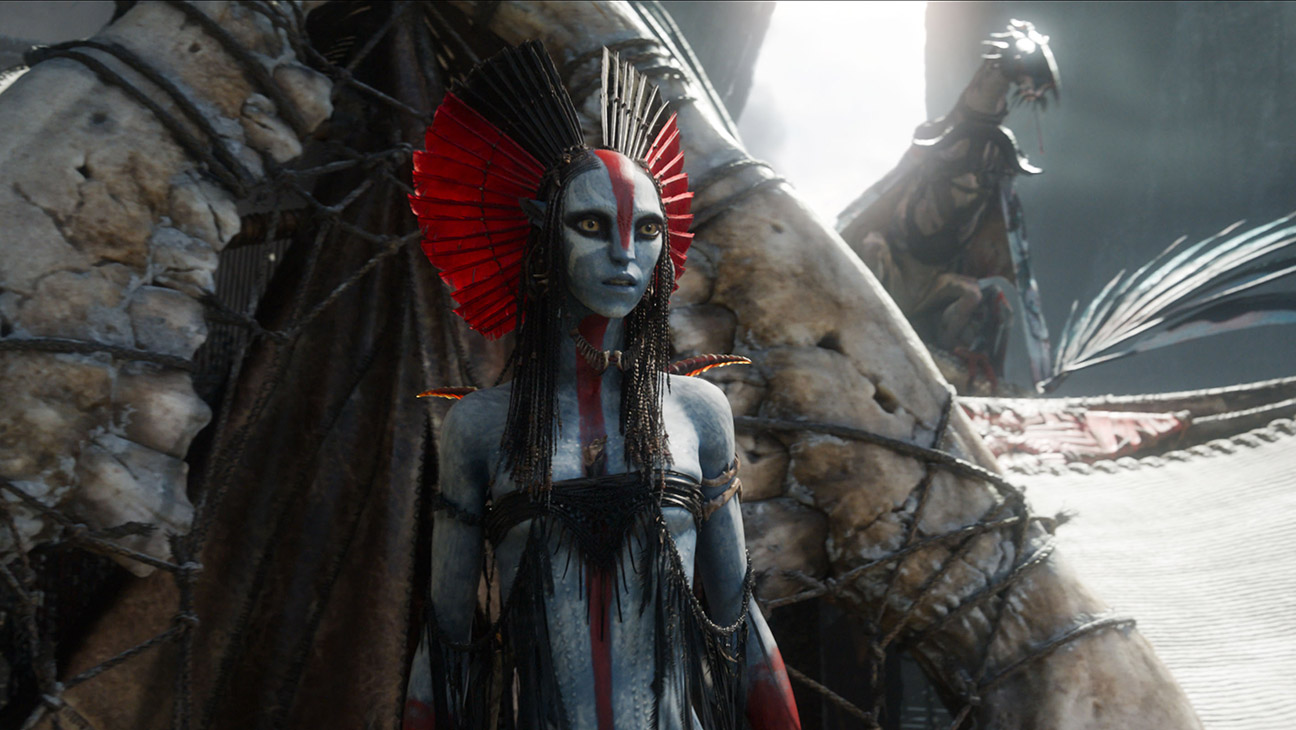
So, the first ‘reactions’ are in for ‘Avatar: Fire and Ash’ and guess what? They absolutely adore it. Shocking.
Are you supposed to be surprised? The machine is working exactly as designed. A carefully selected group of film journalists and media personalities, the ones who depend on studio access for their entire careers, were ushered into a private screening, probably plied with free popcorn and drinks, and then unleashed upon the internet at a very specific, coordinated time to tell you, the person who will have to shell out $20 for a ticket and another $30 for snacks, that James Cameron has done it again. It’s a ‘masterpiece.’ A ‘visual spectacle.’ Another ‘billion dollar hit.’ They’re reading from the same script, the same press release talking points that were likely focus-grouped months ago. This isn’t journalism. This is marketing. It’s a publicity stunt masquerading as critical opinion, a full-court press designed to build a tidal wave of manufactured hype so powerful that it drowns out any potential dissent before the doors to the multiplex even open for the public.
They are the gatekeepers. And they have spoken.
Is This Criticism Or Just Part Of The Advertising Budget?
Let’s call this what it is: a dog and pony show.
Think about the process for a second. The cast does the morning show circuit, smiling on ‘GMA’ alongside the director, telling you exactly what to expect, which is always some variation of ‘it’s bigger and better than the last one.’ Sigourney Weaver, Zoe Saldana, Sam Worthington—they’re all contractually obligated to be there, to sell the product they just spent years making. That’s their job. Fine. But then, simultaneously, the ‘first reactions’ drop from ‘film press,’ a group whose entire ecosystem relies on not angering the massive corporate entities like Disney that now own these billion-dollar properties. Do you really believe that a critic who wants to be invited to the *next* big premiere, who wants that exclusive interview with the next Marvel star, is going to risk it all by tweeting ‘You know what? The story was kind of thin and it felt like a 3-hour tech demo’?
Of course not. They play the game. They use hyperbolic language and praise the most obvious, inoffensive parts—the visuals, the technical achievements—because it’s safe. It’s easy. It gets them retweets from the movie’s official account and keeps them in the good graces of the studio publicists who hold the keys to the kingdom. What you’re seeing isn’t a collection of independent, critical thoughts. It’s the first, and most effective, wave of a multi-hundred-million-dollar advertising campaign. They are unpaid (or paid in access) marketers, and their target is your wallet. They’re telling you the consensus has already been formed. Don’t think. Just consume.
James Cameron: Rebel Genius or Master of the System?
We love the myth of the renegade director fighting the studios, but let’s get real.
The media loves to paint James Cameron as this obsessive, maverick auteur, a man who bets the farm against the odds and always wins. It’s a great story. It’s also a complete fabrication at this point in his career. Cameron isn’t fighting the system; he *is* the system. He is the master architect of the modern blockbuster formula, a formula that prioritizes technological spectacle over narrative risk, creating films that are so visually overwhelming and culturally non-specific that they can play in every market on Earth and gross billions of dollars. He isn’t making movies anymore; he’s engineering global entertainment products. These films are too big to fail, and the entire media apparatus is complicit in ensuring they don’t. The ‘positive first reactions’ are just the first step in de-risking a massive corporate investment.
They want you to believe this is art. It’s industry. The praise for ‘Fire and Ash’ before anyone has seen it is a rubber stamp from an entrenched, self-serving club of elites who have a vested interest in maintaining the status quo. The status quo is that big, expensive, visually-driven movies are the only things that matter, the only things deserving of this level of attention and praise. It suffocates smaller, more interesting films and tells the audience that the only valid cinematic experience is one that costs half a billion dollars to produce. It’s a feedback loop of money, access, and power, and it has nothing to do with whether or not the movie is actually any good.
It’s about the money. Always.
What Aren’t They Telling Us?
Read between the lines of what they *are* saying.
Notice the language. They’re praising the ‘visuals,’ the ‘world-building,’ the ‘technical marvel.’ It’s the exact same praise the last movie got. But what about the story? The characters? The dialogue? You’ll see vague platitudes like ’emotional’ or ‘compelling,’ but rarely any specifics. Why? Because that’s where these movies are often weakest. The story is a simple, recycled framework designed to ferry you from one CGI set piece to the next. The characters are broad archetypes. It’s all in service of the spectacle. The critics focus on the tech because it’s the only thing that’s genuinely new and it’s the safest thing to praise. Nobody ever got blacklisted for saying ‘the 3D was incredible!’
They are distracting you with shiny objects. The ‘Fire and Ash’ title suggests a darker turn, but will it be genuine thematic depth or just an excuse for bigger, more chaotic battle sequences with lots of lava and smoke effects? The early buzz suggests the latter. This is the great con of the modern blockbuster: convince the audience that looking at something is the same as feeling something. They are selling you a theme park ride and telling you it’s Shakespeare. Don’t fall for it.
Wait for the real reviews. Wait for the audience scores from people who actually paid. Wait for the second-week box office drop. That’s where the truth lies, not in the curated, pre-packaged soundbites from a media that’s been bought and paid for with access. You, the audience, are the only critics that matter. Remember that.