The Grand Slam Roar: A Story of Ambition and Odds
As the Melbourne sun beats down, casting long shadows across the iconic blue courts, the anticipation within the Rod Laver Arena is palpable. Each year, the Australian Open serves as the crucible where dreams are forged and limits are tested, marking the thrilling commencement of the Grand Slam season. It’s a stage where legends are made, and emerging talents announce their arrival with resounding force, igniting the hopes of millions of tennis enthusiasts worldwide.
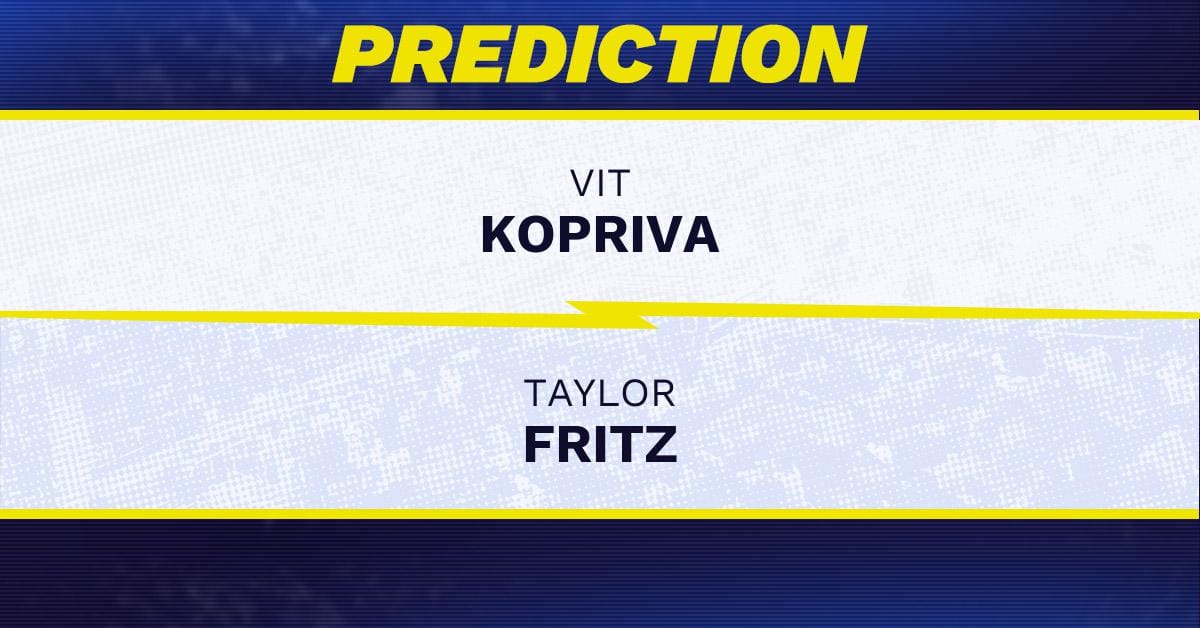
On Thursday, January 22, 2026, the global tennis spotlight will converge on a particularly intriguing clash in the Round of 64. No. 101-ranked Vit Kopriva is poised to meet No. 9 Taylor Fritz, presenting a classic David versus Goliath narrative that epitomizes the raw, unpredictable drama inherent in elite professional tennis. This encounter pits a determined underdog against a top-tier contender, promising a contest that transcends mere rankings and delves deep into the human spirit of competition.
The Crucible of Melbourne: Australian Open’s Enduring Appeal
The Australian Open, affectionately known as the ‘Happy Slam,’ is more than just a tournament; it’s a grueling test of endurance, skill, and mental fortitude. Held annually amidst the scorching summer heat of Melbourne, it challenges players with its demanding hard courts and often sweltering conditions. For athletes like Kopriva and Fritz, navigating the early rounds of this major is not just about winning individual matches, but about conserving energy, adapting to the environment, and building crucial momentum that can carry them deeper into the draw.
The atmosphere at the Australian Open is electric, drawing fans from every corner of the globe who flock to witness tennis at its highest level. The sheer scale of the event, with its multiple courts hosting simultaneous matches, creates a vibrant tapestry of narratives—each player carrying their own story of dedication, sacrifice, and the relentless pursuit of excellence. The second round, in particular, is where the initial shocks have settled, and the serious contenders begin to emerge, making every point a significant step towards potential glory.
Taylor Fritz: The Weight of Expectation for a Top Seed
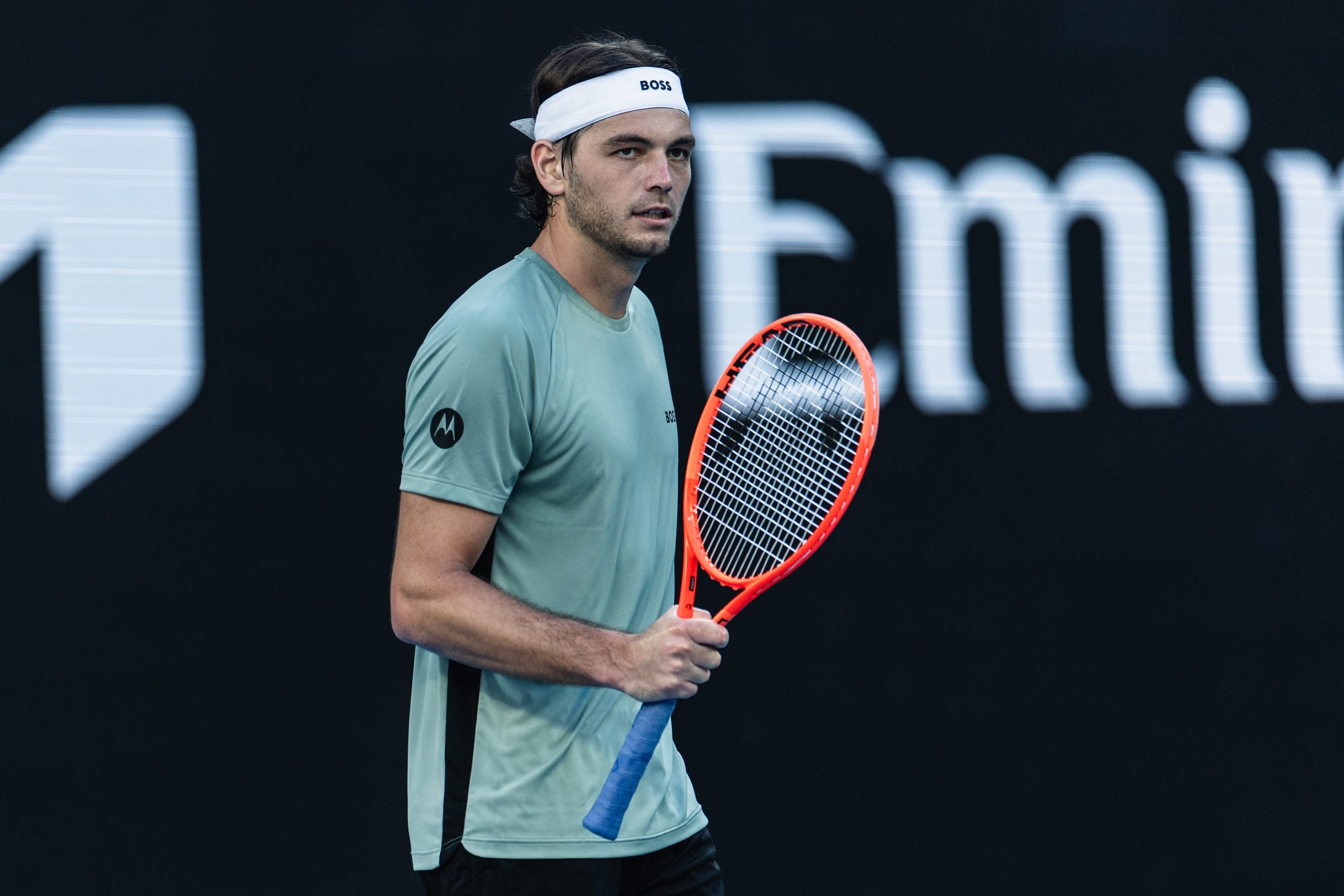
Taylor Fritz enters this contest as the ninth seed, a ranking that places him firmly among the sport’s elite and carries with it a distinct set of expectations. Being a top-10 player at a Grand Slam means more than just a higher seed; it signifies consistent performance throughout the preceding year, a proven ability to compete at the highest levels, and the formidable power to challenge for major titles. Fritz embodies the modern power game in tennis, often relying on his potent serve and aggressive groundstrokes to dictate play and overwhelm opponents.
For a player of Fritz’s caliber, the Round of 64 is a critical juncture. It’s a match he is expected to win, yet the pressure of such expectations can be immense. Every opponent, regardless of their ranking, arrives on court with nothing to lose, fueled by the prospect of a career-defining upset. Maintaining focus, executing strategy flawlessly, and managing the emotional highs and lows are paramount for a seeded player aiming for the latter stages of the tournament. His journey in Melbourne hinges on his ability to rise above the challenges, both internal and external.
Vit Kopriva: The Underdog’s Resolve and the Quest for an Upset
On the other side of the net stands Vit Kopriva, ranked 101st in the world, an unseeded player whose presence in the second round is already a testament to his grit and determination. For players outside the top 100, every match in a Grand Slam main draw is a battle, often a hard-fought reward for years spent toiling on the Challenger circuit and grinding through qualifying rounds. Kopriva represents the vast majority of professional tennis players—those who fight tooth and nail for every ranking point, every prize money check, and every opportunity to compete against the sport’s giants.
The beauty of the Grand Slams often lies in these compelling underdog narratives. Kopriva steps onto the court with considerably less pressure than his highly-ranked adversary. For him, every point won, every game held, every set claimed against a top-10 player is a victory in itself, a moment to prove his worth and potentially launch his career to new heights. The freedom that comes with being the perceived outsider can often unlock a player’s best tennis, allowing them to swing freely and play without inhibition, making him a dangerous opponent for anyone.
The Round of 64: A Pivotal Crossroads
The second round of any Grand Slam, the Round of 64, is a pivotal stage that significantly shapes the trajectory of the tournament. By this point, players have shaken off any first-match jitters and are finding their rhythm. It’s where pretenders begin to falter, and true contenders start to solidify their presence. For both Fritz and Kopriva, this match isn’t just about advancing; it’s about making a statement—for Fritz, reaffirming his status, and for Kopriva, proving he belongs among the elite.
This stage demands not only physical prowess but also immense mental strength. The grueling nature of best-of-five sets in men’s singles means that matches can turn into marathons, testing every fiber of a player’s being. The ability to endure, to adapt tactics mid-match, and to maintain composure under pressure often proves to be the decisive factor, separating those who progress from those who pack their bags. Every shot carries the weight of progression or elimination.
Deciphering the Odds: The Allure of Prediction
The pre-match discussions surrounding predictions, odds, and ‘best bets’ add another layer of intrigue to these high-stakes encounters. Sportsbooks analyze a myriad of factors—including player rankings, recent form, head-to-head records (if any), surface preference, and even current weather conditions—to set their lines. For a match like Kopriva vs. Fritz, the odds will naturally favor the higher-ranked, seeded player, reflecting the perceived probability of their victory based on statistical and historical data.
However, the beauty and thrill of tennis, especially in Grand Slams, lie in its inherent unpredictability. Upsets are not just possibilities; they are defining moments that capture the imagination of fans and rewrite tournament narratives. A bad day for a favorite or an inspired performance from an underdog can swiftly turn the tide against all predictions. It’s this very human element, the clash of wills and the unpredictable bounce of the ball, that makes watching these matches so utterly compelling and keeps fans glued to every rally.
Beyond the Court: The Human Element of Competition
Ultimately, this match, like all others in a Grand Slam, is a testament to the individual journeys of two athletes. It’s about the countless hours spent training, the sacrifices made, the victories savored, and the defeats endured. Taylor Fritz carries the hopes of a nation and the expectations of a top seed, striving to fulfill his potential at the sport’s highest echelons. Vit Kopriva, on the other hand, represents the relentless pursuit of a dream, the ambition to break into the upper echelons and carve out his own legacy.
Their collision on the blue courts of Melbourne will not just be a display of forehands and backhands, but a profound demonstration of mental fortitude, strategic acumen, and the sheer will to win. Each player brings their unique style, their individual strengths, and their deepest desires to the contest, creating a dynamic encounter that is far more than the sum of its parts. The outcome, as always, will be decided not just by skill, but by who can hold their nerve when it matters most.
“In the arena of sport, true greatness is measured not merely by victories, but by the courage to compete against formidable odds and the unwavering spirit to chase a dream, irrespective of the opponent.”