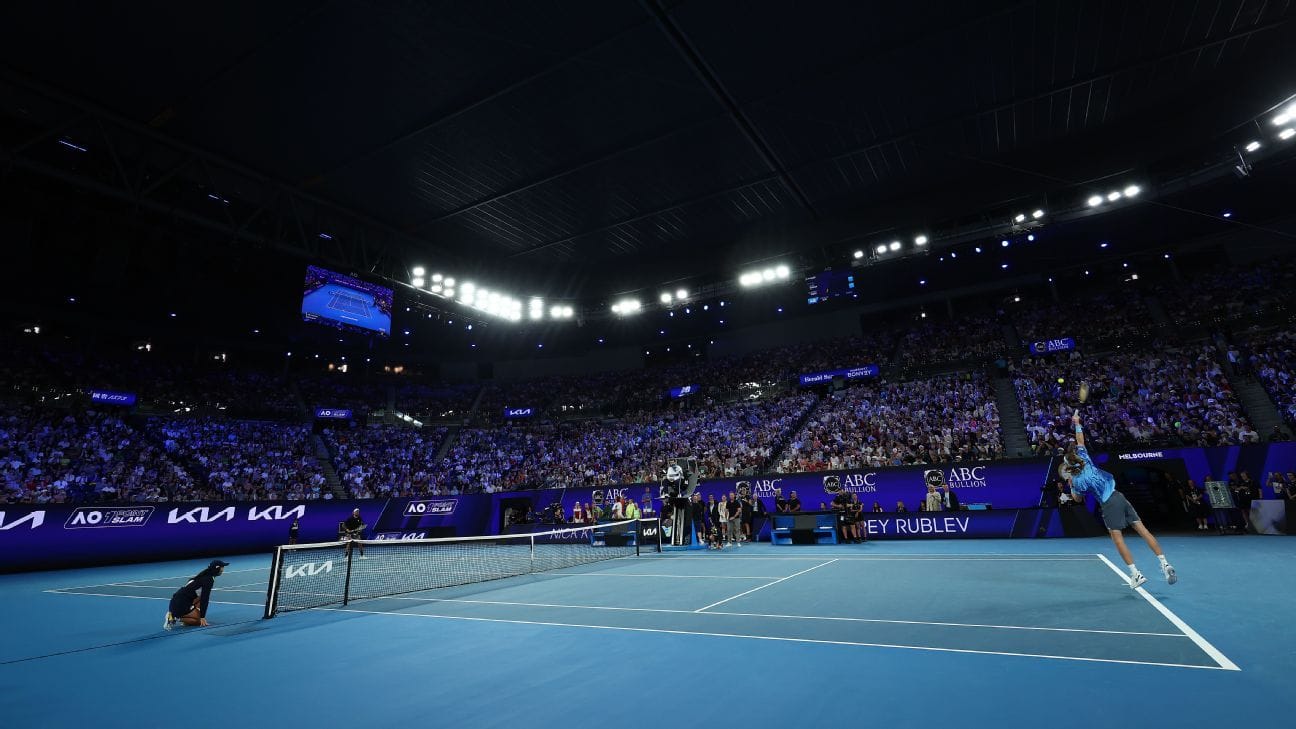
Australian Open Evolves into Three-Week Tennis Festival
Melbourne, Australia — The Australian Open is already buzzing, even before the first round officially begins. With the draw recently released, the tournament has captured significant attention, drawing over 100,000 fans to its grounds even in these nascent stages.
This expansion of the event, now effectively a three-week bonanza, signals a significant shift in how major tennis tournaments are perceived and experienced. It’s no longer just about the championship matches; it’s about a prolonged festival atmosphere.
Why This Matters: A New Era for Grand Slams
The transformation of the Australian Open under figures like Craig Tiley highlights a broader trend in professional sports: the move towards more immersive and extended fan experiences. This evolution caters to a growing demand for constant engagement and entertainment.
By extending the tournament’s duration, organizers aim to maximize spectator attendance and broadcast viewership over a longer period. This strategy not only bolsters revenue streams but also amplifies the tournament’s cultural impact, turning it into a significant national event.
The influx of over 100,000 fans even before the core competition commences underscores the success of this strategy. It demonstrates a strong public appetite for the sport and the festival-like atmosphere surrounding it.
Star Power and Fan Engagement
The presence of prominent players like Carlos Alcaraz and Emma Raducanu, alongside reigning champions such as Aryna Sabalenka, generates immense excitement. Reports indicate Alcaraz is already making strong progress in early matches, showing his intent for the title.
Raducanu’s participation also adds a significant draw, captivating fans and media alike. The anticipation surrounding her matches and interviews highlights the star power that Grand Slams command.
Sabalenka, a winner on day one, immediately signals her competitive form. Such early victories from top contenders set the tone for the entire tournament and fuel spectator interest from the outset.
Broader Trends in Sports Entertainment
The Australian Open’s extended format mirrors a growing willingness across the sports industry to innovate and extend event timelines. This approach seeks to capitalize on the dedicated fan bases and the lucrative opportunities presented by longer-running events.
This model could influence other major sporting events globally. The focus is shifting from a concentrated period of competition to a more sustained engagement model, offering multiple points of entry and excitement for fans.
The challenge lies in maintaining spectator interest and player stamina throughout the extended period. However, the early success in Melbourne suggests that the extended format is finding its audience.
Looking Ahead: The Future of Grand Slam Tennis
As the Australian Open unfolds over its new, extended duration, its impact on player welfare and the overall competitive balance will be closely watched. The ability to sustain high-level play across three weeks is a testament to modern athletic conditioning.
The tournament’s success could pave the way for similar expansions or modifications to other Grand Slam events. The landscape of professional tennis appears to be evolving, with organizers prioritizing a comprehensive fan experience.
The Australian Open is no longer just a tennis tournament; it is a multi-week celebration of the sport, drawing unprecedented crowds and global attention. Its continued evolution will undoubtedly shape the future of Grand Slam tennis.