
The Midnight Bet in Sriharikota
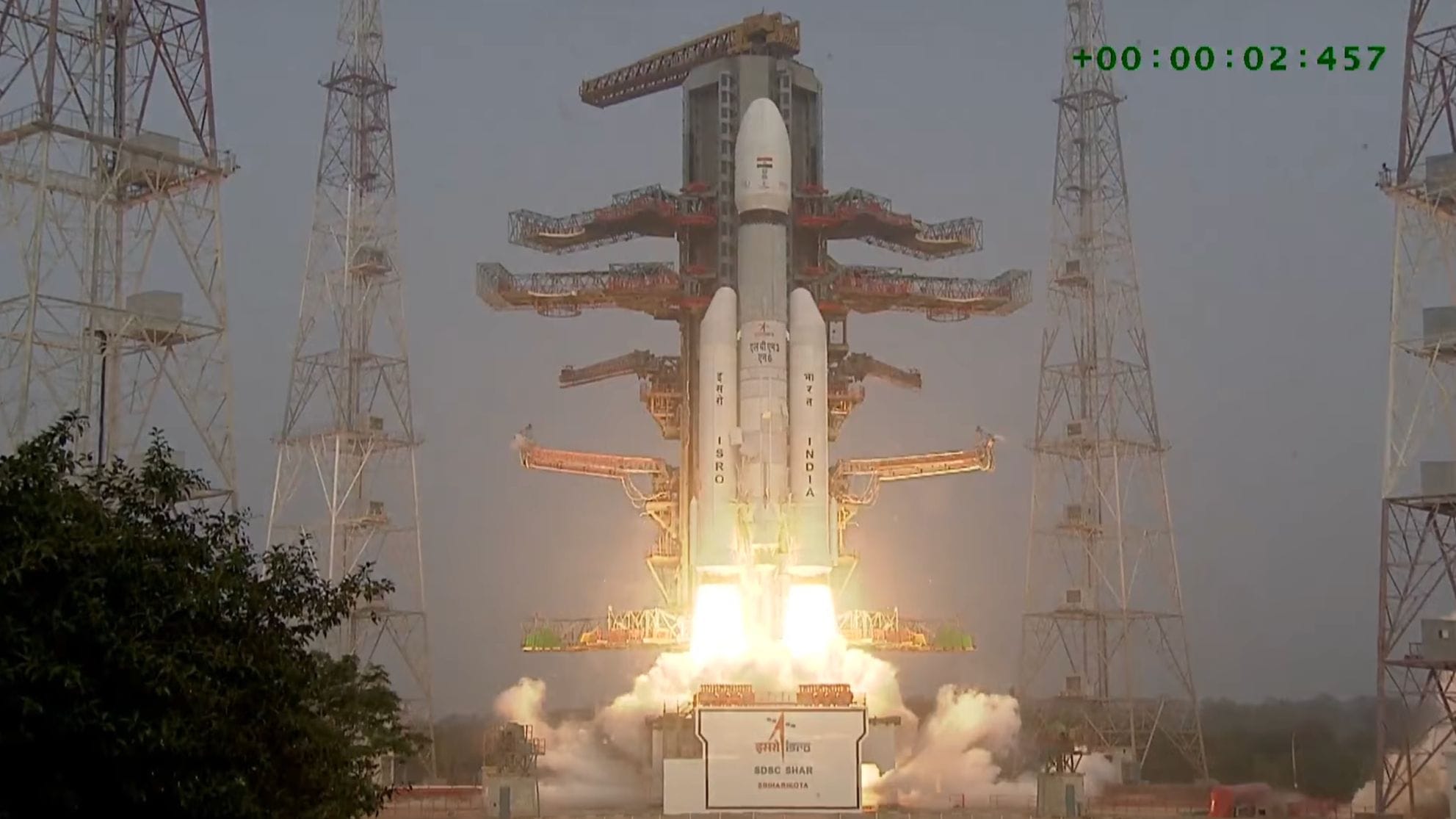
And so it begins with a roar that the mainstream media barely even bothered to cover because they were too busy looking at the latest celebrity scandal. But if you were watching the telemetry coming out of India late Tuesday night, you saw the future of global communication literally leave the planet on the back of an LVM3-M6 rocket. Because this wasn’t just another satellite launch meant to beam some low-res TV signals to a handful of subscribers. This was the BlueBird Block-2 mission, a dedicated commercial strike by AST SpaceMobile that is designed to do one thing and one thing only: render the traditional cell tower obsolete. The rocket tore through the atmosphere carrying the BlueBird 6, a monster of a machine that is breaking records for smartphone connectivity directly from space. And the industry is terrified. They should be. Because when you can connect a standard, unmodified smartphone to a satellite orbiting hundreds of kilometers above your head, the billions of dollars invested in terrestrial infrastructure start looking like a very expensive pile of scrap metal. It happened on December 23. It changed everything.
But let’s look at the timeline of how we got to this point of no return for the old guard. For years, the skeptics and the short-sellers laughed at the idea that you could fold a massive phased-array antenna into a rocket fairing and deploy it without it shattering like glass. And they laughed when ASTS shares were trading in the basement, calling it a vaporware pipe dream that would never see the light of day. But then came the prototypes. And then came the proof of concept. Now, we are in the deployment phase. The LVM3-M6 isn’t just a heavy lifter; it is the vehicle of a revolution that India is more than happy to host because they know exactly which way the wind is blowing in the new space economy. While the red-hot space stocks are burning up the charts, ASTS is moving with a predatory precision that suggests they know something we don’t. Because they have the patents. They have the spectrum. And now, they have the hardware in the sky.
The Engineering Nightmare for Rivals
And why is the BlueBird 6 such a threat to the established order of Starlink and the legacy carriers? Because it doesn’t require a proprietary dish. You don’t need a pizza-sized antenna on your roof to get a signal. You just need the phone in your pocket. But the technical hurdles to make this work are insane. You are talking about compensating for the Doppler shift of a satellite moving at seventeen thousand miles per hour while trying to hit a target the size of a handheld device on the ground. It is madness. And yet, the data coming back from the initial checks suggests that the BlueBird 6 is performing even better than the internal projections suggested. But the legacy telcos are trying to lobby the FCC and other regulators to slow this down because they know their business model is built on geographic scarcity. They want you to pay for roaming. They want you to suffer through dead zones in the mountains. Because dead zones are profitable. But AST SpaceMobile is erasing those zones from the map with a single launch.
Because the LVM3 mission was a surgical strike. It placed the Block-2 satellite in an orbit that maximizes coverage over high-density areas. And the shares are surging again. But don’t look at the stock price as just a number; look at it as a measure of fear in the traditional telecom sector. Every time ASTS goes up, a legacy executive loses sleep. And they should. Because the BlueBird 6 is just the first of a constellation that will eventually wrap the planet in a 5G blanket that no mountain range or ocean can block. The sheer scale of the antenna on this thing is record-breaking for a reason. It needs that surface area to catch the tiny, weak signals from your phone and amplify them back to the core network. It is a feat of engineering that makes the Apollo landings look like a high school science project. Okay, maybe that is a bit of an exaggeration, but you get the point. It is revolutionary.
The Geopolitical Pivot to India
And why did they choose an Indian rocket? Because the launch market in the US is a bottleneck controlled by a few players who might have conflicting interests. But India’s ISRO has become the go-to for serious commercial deployments that need to stay on schedule and under budget. The LVM3 is a beast of a launcher. It is reliable. It is cost-effective. And it shows that AST SpaceMobile isn’t beholden to the whims of any single launch provider. This is a strategic move to ensure that the Block-2 constellation gets into orbit regardless of what is happening with the domestic launch delays in Florida or California. But it also signals a shift in the center of gravity for space tech. The world is no longer waiting for permission from the old aerospace giants. Because the new players are faster, leaner, and much more aggressive.
But we have to talk about the ‘Red-Hot’ space sector. It is a bubble, some say. But bubbles are where the real work gets done. Because while the ‘me-too’ companies are failing to get their prototypes off the ground, the leaders are consolidating power. ASTS is surging because they are delivering on the one thing that actually matters: connectivity for the billions of people who are currently underserved by the grid. And the implications for the future are staggering. Imagine a world where emergency services are never out of reach. Imagine a world where the ‘digital divide’ is a historical footnote. Because that is what is at stake here. But the critics will keep talking. They will point to the ‘Scrape Failed’ data points and try to claim there is a lack of transparency. But the only thing they are really seeing is their own irrelevance as the BlueBird 6 begins its operational life. It is happening. Now.
And let’s be real about the competition. Starlink is great for what it is, but it is a closed ecosystem. You buy the hardware, you pay the subscription, you stay in the walled garden. But AST SpaceMobile is working with the existing carriers, not against them. Well, most of them. They are essentially building the towers in the sky for the networks you already use. Because that is the smarter play. It is the Trojan Horse of the telecom industry. They are moving inside the system to replace the system from within. But if you think the big terrestrial guys are going to take this lying down, you are dreaming. There will be lawsuits. There will be claims of interference. Because when you are fighting for survival, you use every dirty trick in the book. But the physics are on AST’s side. Once those satellites are deployed, you can’t turn them off. The signal is there. The revolution is televised, or rather, it is streamed via 5G from 500 kilometers up.
The 2026 Monopoly Prediction
And where does this leave us in twelve months? By the end of 2025 and heading into 2026, the success of the BlueBird Block-2 mission will be seen as the moment the dam broke. Because once the first few satellites show that the bandwidth is there, the capital will flood in. We are talking about a total transformation of how we think about the internet. But it won’t just be about phones. Because think about the millions of IoT devices, the autonomous vehicles, the remote sensors that all need a constant, reliable connection. The market isn’t just big; it is infinite. And ASTS is the only one with this specific architecture ready to go. Because they spent the time and the money to do it right instead of just doing it fast. The record-breaking size of BlueBird 6 isn’t for show; it is for dominance.
But keep an eye on the volatility. The space sector is not for the faint of heart. Because things can go wrong in a heartbeat. But the LVM3 launch proves that the execution risk is dropping every day. And the surging shares are just the beginning of the re-rating of this entire asset class. Because we are moving from speculative tech to essential utility. But don’t expect the mainstream analysts to tell you that until it is already too late to get in. They are always the last ones to the party. Because they are paid to be cautious, while the real money is made by being provocative and seeing the pattern before it is complete. The pattern is clear. BlueBird is the apex predator of the orbital environment. And the terrestrial towers are just waiting for the extinction event to finish them off.

Photo by Oldiefan on Pixabay.