Contextual Analysis: A New-Look Arsenal at Fratton Park
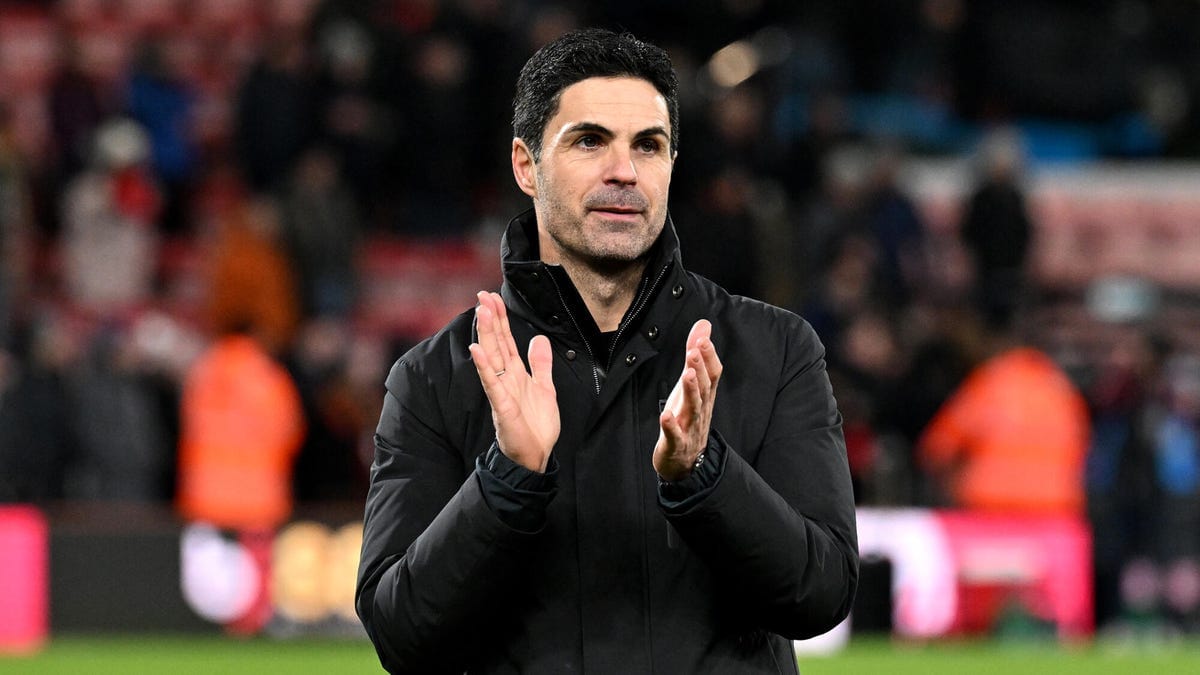
Mikel Arteta has signaled his intentions for the FA Cup third round by implementing a sweeping 10 changes to his starting lineup for the trip to Portsmouth. The North London giants arrive at the historic Fratton Park with a squad reshuffled to manage the heavy fixture load of the winter season, retaining only one player from the side that featured in their previous mid-week outing. This dramatic rotation underscores the delicate balance the modern elite manager must strike between domestic dominance and squad preservation.
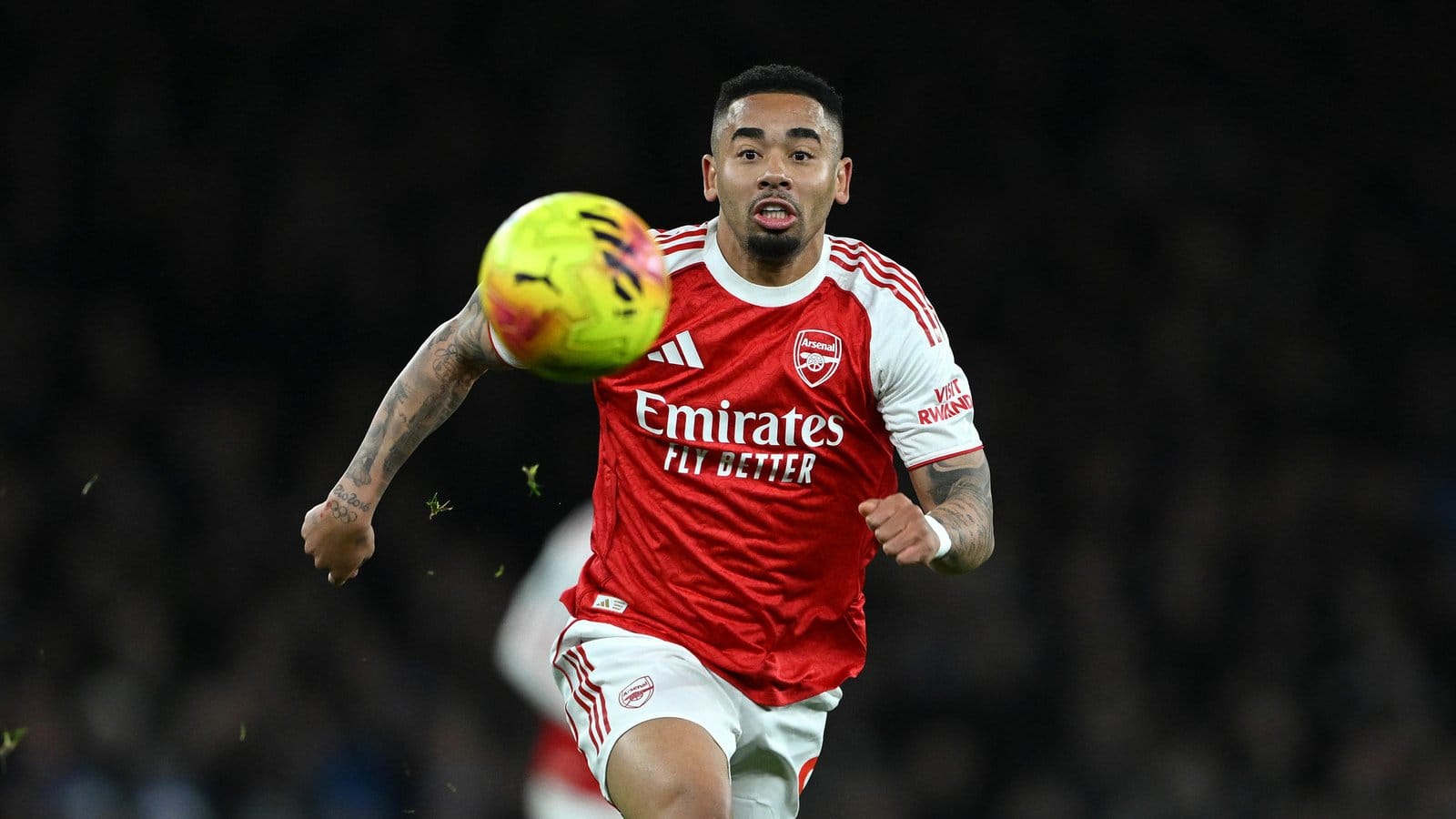
Among the most notable inclusions is Brazilian international Gabriel Jesus, who is handed a vital opportunity to lead the line from the start. For Jesus, this fixture represents more than just a cup tie; it is a chance to sharpen his competitive edge and re-establish his rhythm in a campaign where consistency is king. The decision to hand him the starting berth suggests that while Arteta is resting his primary league starters, he is still deploying significant firepower to ensure the Gunners do not fall victim to the ‘magic of the cup.’
Why This Matters: The Risk of the Rotation
The FA Cup third round is notoriously the most dangerous weekend in the English football calendar for Premier League heavyweights. By making 10 changes, Arteta is engaging in a high-stakes calculation. While squad depth is a hallmark of title contenders, wholesale changes can often lead to a lack of cohesion, especially in the hostile, close-quarters environment of Fratton Park. Portsmouth, a club with its own rich top-flight history, thrives on the underdog narrative, and any sign of disjointed play from Arsenal will be met with a ferocity unique to south-coast football.
Furthermore, the inclusion of Gabriel Jesus highlights the internal competition at London Colney. For the fringe players and those returning from injury, this match serves as a live-fire audition. Arteta’s willingness to swap nearly his entire XI demonstrates a profound trust in his recruitment and the tactical flexibility of his secondary units. If this group executes effectively, it validates Arsenal’s status as a club capable of competing on multiple fronts without sacrificing their stylistic identity.
Connecting to Broader Trends: The Evolution of Cup Strategy
This match reflects a broader trend among the ‘Big Six’ where the FA Cup is increasingly viewed through the lens of asset management. The source data mentions Arsenal’s ambition to keep ‘quadruple’ hopes alive, an ambitious goal that necessitates a squad-wide contribution. In the modern era, no single XI can sustain a charge across four competitions. The ’10-change’ strategy is becoming the standard operating procedure for clubs aiming to maximize their efficiency across the Premier League, Champions League, and domestic cups.
Moreover, the global accessibility of this fixture—airing on ESPN 2 and ESPN Plus in the United States—points to the continued commercial expansion of the FA Cup. Even a third-round tie between a Premier League leader and a lower-league stalwart attracts a massive international audience. This global visibility puts extra pressure on rotated squads; a failure here is not just a domestic disappointment but a narrative-altering event observed by millions of stakeholders and fans worldwide.
“The FA Cup remains a cornerstone of English football culture, and for a club like Arsenal, it represents a vital pathway to silverware that demands respect regardless of the names on the team sheet.”
A Look Ahead: Navigating the Path to Silverware
As the whistle blows at 9 a.m. ET, the focus will shift from the names on the sheet to the performance on the pitch. Should Arsenal navigate this hurdle, the momentum gained by players like Gabriel Jesus could be pivotal for the grueling months of February and March. A victory validates Arteta’s rotation policy and allows him to continue resting key personnel for the high-intensity league battles ahead.
Conversely, a struggle at Fratton Park would reignite the debate over whether elite clubs have become too cavalier with their cup selections. For Portsmouth, this is a free hit—a chance to reclaim a spot in the national headlines and secure a financial windfall that could reshape their season. As the third round unfolds, the narrative remains clear: Arsenal is playing for the future, while Portsmouth is playing for history. The result will dictate the rhythm of the Gunners’ season as they attempt to balance historical prestige with modern-day physical demands.
The Tactical Depth of Gabriel Jesus
Focusing specifically on the return of Gabriel Jesus to the starting lineup, his role today extends beyond just scoring goals. Arteta views Jesus as a ‘facilitator,’ a player whose movement off the ball creates pockets of space for the inverted wingers and advancing midfielders. Against a Portsmouth side likely to sit in a low block, his ability to drop deep and link play will be the key to unlocking a stubborn defense.
This start is also a psychological milestone. In a season where rotation is frequent, Jesus needs to prove he can lead a ‘B-team’ with the same intensity he brings to the primary XI. If he can mentor the younger players surrounding him today, he elevates his value within the squad from a mere striker to a tactical leader. This leadership is exactly what Arsenal requires if they are to truly contend for multiple trophies as the season enters its most critical phase.
Fratton Park: The Cauldron of the South
It would be a mistake to overlook the influence of the venue itself. Fratton Park is one of the last remaining ‘old-school’ stadiums in the upper echelons of English football. The proximity of the fans to the pitch creates an atmospheric pressure that can unnerve even seasoned professionals. For the 10 new faces in the Arsenal lineup, the opening twenty minutes will be a test of temperament as much as technique.
Portsmouth’s strategy will likely involve high-intensity pressing and physical play to disrupt Arsenal’s rhythm. In the FA Cup, the pitch is often a leveling factor. If the grass is slower or the weather turns, the technical gap between the Premier League and League One narrows. Arsenal’s rotated side must prove they have the physical mettle to match their technical superiority, or they risk becoming the latest chapter in the book of FA Cup giant-killings.
Financial and Cultural Implications
For Portsmouth, hosting a club of Arsenal’s stature is a significant financial event. Between gate receipts and the broadcast fees from international distributors like ESPN, a single afternoon against the Gunners can provide the capital needed for January transfer reinforcements. This economic reality is why the FA Cup remains so vital to the English football pyramid.
Culturally, the match reinforces the bridge between the different tiers of the sport. While Arsenal operates in a world of billion-dollar valuations and global marketing tours, the FA Cup brings them back to the roots of the game. It is a reminder that for all the changes in the modern game, the essence of competition remains a 90-minute battle where the underdog always has a fighting chance.
Final Assessment: The Blueprint for Success
Ultimately, Arsenal’s success today will be measured by two metrics: the final score and the health of the squad. If Arteta secures a win while successfully integrating Gabriel Jesus and resting his core starters, the day will be a tactical masterstroke. As the club chases the quadruple, these are the afternoons that build the foundation of a historic season. The road to Wembley is long, but for this rotated Arsenal side, it starts with showing resilience and class on a Sunday morning in Portsmouth.