The Anatomy of an Inevitable Meltdown
Peter Oh, bless his heart, writes that Arsenal has been “annoyingly composed.” What a perfectly damning observation. Annoying, perhaps, to those of us who prefer entertainment over manufactured stability, but that composure? That sterile, highly structured veneer that Mikel Arteta has gift-wrapped the Emirates in? It was always thin ice, a psychological holding pattern before the inevitable return to type—the famous, soul-crushing ‘Oh Arsenal!’ expletive that defines this club far more than any plastic trophy or temporary run of form.
We are not witnessing a dip; we are witnessing the gravitational pull of historical fragility asserting itself, reminding everyone, especially the mugs who bought the title hype last spring, that this team carries the weight of two decades of failure in its central nervous system, and no amount of tactical tinkering or shiny new signings can purge that toxic legacy, especially when facing a relentless, cynical machine like Jürgen Klopp’s Liverpool, who thrive specifically on exploiting the tiny, panicked moment when the opposition finally remembers its own worst fears.
The Façade Crumbles: Saka’s Return Changes Nothing
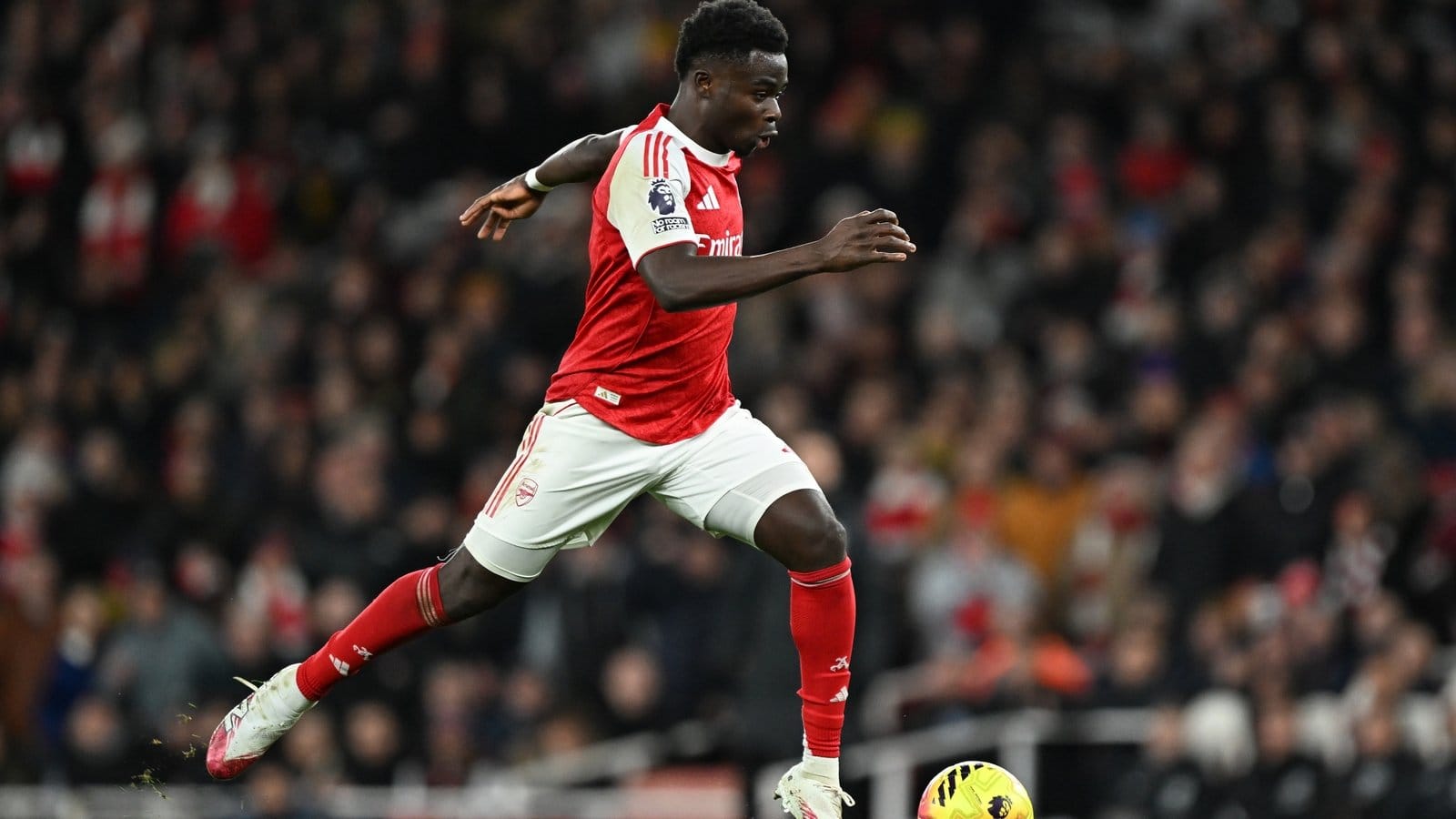
So, Bukayo Saka and Leandro Trossard are back in the starting XI. Big whoop. While the official line focuses on ‘team news’ and the positive energy of having key players return from the bench to the pitch—a strategic narrative designed to placate the perpetually anxious fanbase—the real story lies in what they mask: the deep, systemic, tactical debt accumulated by relying too heavily on youth brilliance and inconsistent veteran application, particularly in the critical midfield engine room, which always seems to vanish when the air gets thin and the stakes rise dramatically.
Saka is brilliant, yes, but he’s also carrying the physical and mental exhaustion of being Arsenal’s emergency brake, accelerator, and steering wheel all rolled into one small, over-relied-upon package, and Trossard, while occasionally delivering a moment of clever trickery, is fundamentally a complementary piece, not a spine stiffener, meaning their presence only means the usual collapse will be delayed by about ten minutes, maybe twenty if the referee has a particularly generous night.
Kai Havertz. What a spectacular microcosm of the problem. His fitness is being monitored, which is just front-office code for ‘we are desperately hoping our ninety-million-pound enigma can suddenly figure out how to be decisive against a top-tier defense.’ Waste of money. He embodies the high-risk, low-return gambling that Arteta mistook for visionary management; he’s a luxury item that only a fully functional, emotionally robust machine can afford to carry, and Arsenal, darling, is neither functional nor robust.
A Timeline of Psychological Debt
To understand the current tremors, we must step back. This isn’t a new phenomenon; this is the rhythm of the club since 2005. This team isn’t just playing Liverpool; they are battling the ghosts of Highbury, the lingering stink of the post-Invincibles decay, and the psychic toll exacted by years of selling their best players to finance mediocrity before Arteta’s big-spending era began, an era that promised a revolution but delivered merely an extremely expensive renovation of the same old house of cards.
The Wenger Hangover (2006 – 2018)
The first crack appeared after the move to the Emirates. That stadium didn’t bring world domination; it brought fiscal austerity and the insidious poison of ‘almost good enough.’ We saw Samir Nasri, Robin van Persie, and Cesc Fàbregas realize, one after the other, that their ambition had outstripped the club’s capability, moving on to actual winners while Arsenal continually settled for Champions League qualification as if it were a title—a soft ambition that institutionalized complacency and taught the current academy players that second place is something to be celebrated, rather than something that demands brutal introspection and immediate rectification.
That decade was the true foundation of today’s mental fragility. Every time the team got within touching distance of glory—be it a domestic cup or a brief Premier League lead—they found a catastrophic way to fail, usually through set pieces, soft red cards, or a collective inability to perform under the direct gaze of destiny, establishing a behavioral pattern so ingrained it’s effectively genetic now.
The Post-Wenger Vacuum and Arteta’s Bubble (2018 – Present)
Unai Emery was the brief, confused interregnum, a period where the club admitted it had no idea what it wanted, oscillating wildly between defensive structure and attacking chaos until Arteta arrived, promising structure and discipline but often delivering overly complex tactical blueprints that crumble into dust the second a truly elite opponent applies pressure to the central midfield pivot; watching them try to pass their way out of a high press is like watching a highly trained orchestra attempt to perform punk rock—the instruments are there, but the necessary visceral aggression is absent.
This ‘annoying composure’ Oh mentions? It’s the product of beating lesser teams with maximum efficiency, a necessary skill, yes, but one that fails spectacularly when faced with an opponent who doesn’t respect the process, who just wants to smash the ball into the net and ask questions later, and that, my friends, is Liverpool’s entire operating philosophy under Klopp, who is probably laughing right now at the idea of Arsenal trying to pass the ball into his goalmouth for the eighty-seventh time.
The Predictable Outcome: Timeline of Self-Sabotage
What happens next isn’t a prediction; it’s a historical inevitability viewed through the lens of psychological trauma.
1. The False Dawn (0-15 Minutes)
Arsenal comes out hot, fueled by crowd noise and adrenaline, dominating possession because Liverpool initially allows them to, establishing a rhythm that gives the home fans false hope and allows the pundits to wax lyrical about ‘statement intent.’ One key pass. Then:
Panic.
2. The Turning Point (25-40 Minutes)
Liverpool, having absorbed the early pressure, executes a single, brutal transition—a long ball over the top, a corner kick ruthlessly converted, or a moment of pure defensive breakdown where a usually solid player commits a kindergarten error under duress, confirming that the defensive solidity built against mid-table fodder is nothing more than structural deception.
Goal.
3. The Psychological Drag (Halftime – 70 Minutes)
The second half is defined by Arsenal chasing the game with a frantic energy that quickly devolves into disorganized individual efforts. Arteta shouts from the sideline, making increasingly desperate substitutions (perhaps Ekitike is rushed on, perhaps an extra attacking midfielder is thrown into the fray), sacrificing defensive shape for hopeful crosses that van Dijk handles with the ease of a man checking his emails, thereby creating vast spaces for Liverpool’s lightning-fast counter-attacks.
4. The Clincher (80+ Minutes)
The game is killed by a soft, late goal. It won’t be a spectacular 40-yard screamer; it will be a deflected tap-in, a clumsy penalty conceded by a frustrated defender, or a catastrophic failure of marking on a seemingly harmless free-kick, serving as the physical manifestation of the mental exhaustion that sets in when Arsenal realizes, once again, that they simply don’t have the guts required to compete at the very top of the table over a grueling season.
It’s over.
The Future: Back to the Comfort Zone of Fourth
This match is not just three points; it is a demarcation line. If Arsenal loses—and let’s be honest, they will—it does more than just cement Liverpool’s place as the primary challenger to Manchester City’s industrial dominance; it fundamentally repositions Arsenal in the league’s hierarchy, stripping away the revolutionary sheen and exposing them as what they currently are: an extremely well-funded developmental side capable of brilliance, but incapable of sustained, ruthless excellence required for true championship contention.
The title challenge narrative will immediately shift from ‘Can Arsenal maintain their consistency?’ to ‘Can Arsenal keep pace with Tottenham/Aston Villa for the final Champions League spot?’, effectively returning the club to the emotional safety zone they inhabited for so long: high enough to avoid true embarrassment, low enough to avoid the crushing pressure of genuine expectation.
Arteta’s job? Safe for now. The board is too invested in his long-term ‘project’—a term coaches use when they consistently fail to deliver immediate, tangible success—to pull the plug, but the scrutiny will intensify. He needs trophies, and if the league is gone by February, the focus on the domestic cups will become suffocatingly intense. The ‘Oh Arsenal!’ moment isn’t just about a lost match; it’s about the silent dread in the stands, the collective knowledge that this team, despite all the money and talent, still finds new and inventive ways to bottle it when the chips are down. That, my friends, is the only truly consistent feature of the modern Arsenal Football Club, and this loss against Liverpool merely served as a brutal, necessary reminder to everyone who dared to dream otherwise.