
The Official Narrative: Unprecedented Weather, Unforeseen Disaster
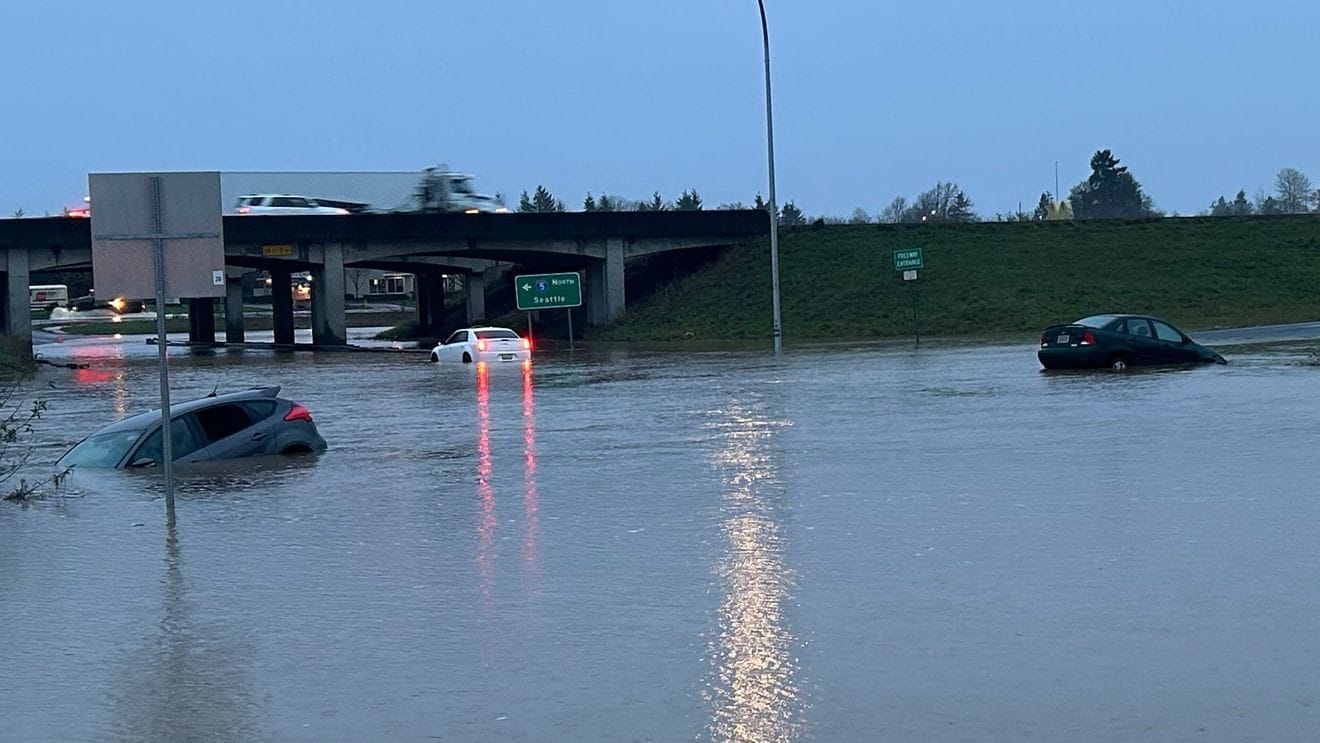
Let’s start where the corporate media always does: a breathless account of the latest atmospheric river striking the Pacific Northwest. We’re told this is unprecedented, a once-in-a-generation event that caught everyone by surprise. The headlines scream about ‘historic rainfall’ and ‘climate change’ as if these forces were cosmic, mysterious, and ultimately unavoidable. They present the flooding in Skagit County, the school closures in Oregon, and the overflowing rivers as a series of unfortunate, isolated incidents, a random act of God that requires emergency response and FEMA funding. The narrative is simple: we are victims of an unpredictable environment.
They bring in a parade of talking heads—meteorologists who are good at telling you what happened yesterday and politicians who offer thoughts and prayers. The focus is always on the immediate: sandbags, evacuations, and the heroic efforts of local emergency services. This creates a specific kind of cognitive dissonance where we simultaneously accept that the climate is changing dramatically, while also believing that our current infrastructure is capable of handling it. This is the official lie, designed to keep the populace calm and prevent a deeper inquiry into systemic failure.
The Strategic Truth: Predictable Failure, Calculated Neglect
The truth, however, is a colder, more analytical beast. What we are witnessing is not an unpredictable act of nature; it is the inevitable outcome of a century of strategic neglect and short-term political thinking. This isn’t just a weather event; it’s a structural failure of our society’s ability to manage its resources and plan for long-term survival. The floods in Washington and Oregon are simply a symptom of a much deeper, more pervasive crisis: America’s infrastructure is optimized for a past that no longer exists.
Consider the infrastructure in the Pacific Northwest. The region’s power grid, water management systems, and urban development were largely built during the mid-20th century. The dams, reservoirs, and flood control measures were designed based on historical climate data that assumed a certain range of variability. That assumption is now obsolete. The concept of the ‘atmospheric river’—a concentrated channel of moisture—was perhaps less understood then, but its impact in a rapidly warming world should not be a surprise now. We’ve known for decades that warmer air holds more moisture, leading to more intense precipitation events. The fact that the Skagit River crests higher with more frequency is not a random occurrence; it’s a predictable consequence of physics and poor engineering foresight.
The Skagit River system, a microcosm of the region’s vulnerabilities, demonstrates this perfectly. The river’s basin has been significantly altered by logging practices, removing the natural buffers that once slowed water runoff. Urban sprawl has paved over natural floodplains, replacing spongy earth with concrete. Where does all that water go? Into the river, faster than ever before. To then blame the resulting catastrophe solely on ‘unprecedented’ rainfall is intellectual laziness at best, and intentional obfuscation at worst. The system was designed to fail under stress, and now it’s failing on schedule.
The Political Calculus of Catastrophe
When you look at this through the lens of a detached strategist, you realize that the cost of prevention has long been deemed higher than the cost of recovery. Politicians, operating on two-to-four-year election cycles, have no incentive to invest in 50-year infrastructure projects. The political reward for cutting the ribbon on a new bridge is high, but the reward for shoring up a crumbling levee in a low-income agricultural community is non-existent. So, they kick the can down the road, literally allowing the infrastructure to decay until a ‘natural disaster’ forces their hand.
The result is a political economy of disaster. Every time a river floods or a power grid fails, there is a sudden influx of government money. This creates a cycle where disaster recovery—often inefficient and costly—becomes a substitute for proactive maintenance. The system rewards reaction over prevention. This isn’t just theoretical; it’s how billions of dollars are allocated annually in the US. The human cost—the lost homes, the displacement of families, the economic disruption—is treated as a necessary externality, a footnote in the grand ledger of political expediency.
The cold reality is that the communities most impacted by these floods—often rural areas with less political clout—are being sacrificed. They are the canary in the coal mine for a larger societal decay. The media will focus on the dramatic rescue operations, but they will ignore the underlying question: why were these communities left so vulnerable in the first place? Why did we build in floodplains, knowing the risk? Because short-term development profits trump long-term societal stability every time. A hard rain falls, and suddenly, the lie about ‘progress’ washes away, exposing the rot underneath.
The Next Phase: Resource Wars and Internal Displacement
This isn’t just about a few flooded basements in Skagit County. This is about a fundamental shift in where people can live and thrive in North America. The current floods in the Pacific Northwest mirror the accelerating droughts in the American Southwest. Both are symptoms of a destabilized climate system, which translates directly into resource scarcity. Water, once taken for granted, is rapidly becoming the most valuable commodity on the continent.
As a strategist, I look at these events not as isolated news stories, but as early warning signals of mass internal migration and geopolitical instability. When a region becomes reliably unreliable—when floods force schools to close, when agricultural land is submerged, when highways wash out—capital and people start to move. The current trend suggests a future where high-ground areas become increasingly valuable and low-lying, coastal, and riverine areas become uninsurable and undesirable. This will inevitably lead to social friction, higher housing costs in safe zones, and a new form of class warfare based on environmental vulnerability.
The Pacific Northwest, known for its lush environment and ample water supply, is now facing a future where water management is not a luxury, but a matter of national security. The current system cannot sustain the combination of increased population density and extreme weather events. The flood warnings for the Skagit and other rivers are more than just weather alerts; they are a direct challenge to the US government’s ability to protect its citizens and manage its territory. If we cannot manage a predictable flood in Washington, what hope do we have when the really big challenges—the full-scale migration from the desert southwest, the collapse of key agricultural regions—truly begin?
The answer is simple: we don’t have a plan. The current response is reactive, not strategic. We are rearranging deck chairs on the Titanic while the iceberg of infrastructural decay hits us head-on. The official lie will continue to mask the truth, but the water doesn’t care about headlines or election cycles. It just follows gravity. And right now, gravity is pulling our national complacency into a full-scale catastrophe.
Photo by makabera on Pixabay.