So, We Have Another ‘Prestige Thriller’ on Our Hands. Should We Care?
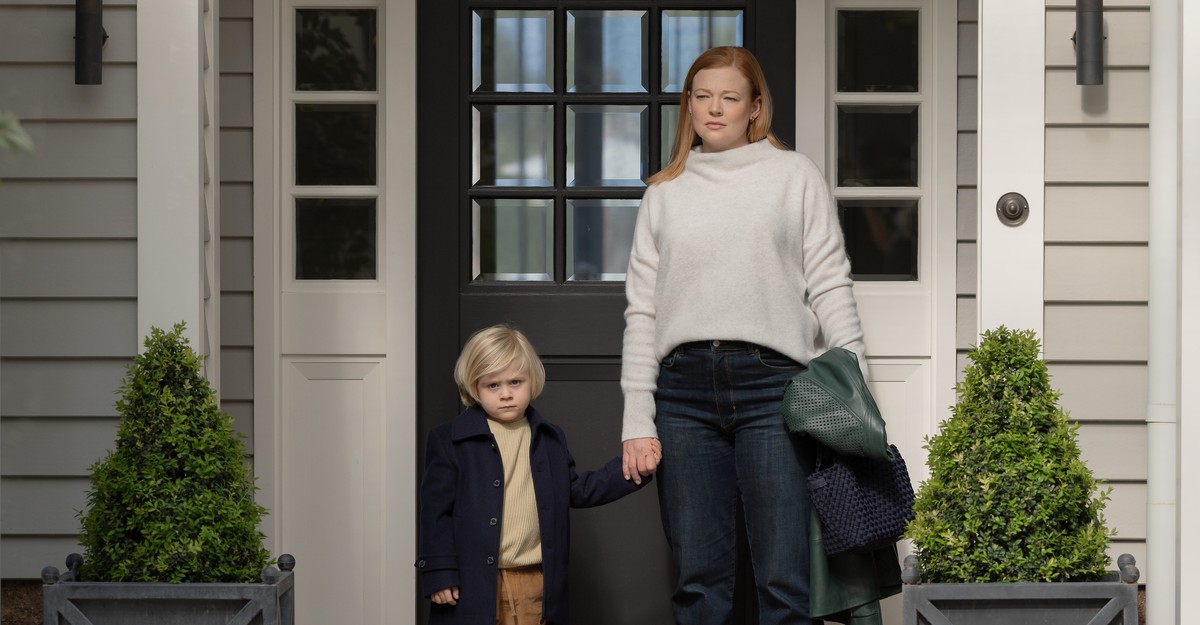
Let’s get this out of the way. Peacock’s All Her Fault, starring the immensely talented (and perhaps now, typecast) Sarah Snook, is being sold to us under a very specific banner. It’s a ‘prestige thriller’. A ‘gripping drama’. A ‘wild ride’. These are the keywords algorithmically selected to pique the interest of anyone who enjoyed Gone Girl, The Undoing, or any number of airport-bookstore-to-streaming-service adaptations we’ve been inundated with for the past decade. But the primary question isn’t whether the show is ‘good’—a subjective and ultimately useless metric. The question is, what does its very existence, in this exact form, tell us about the state of televised storytelling? The answer is… not great.
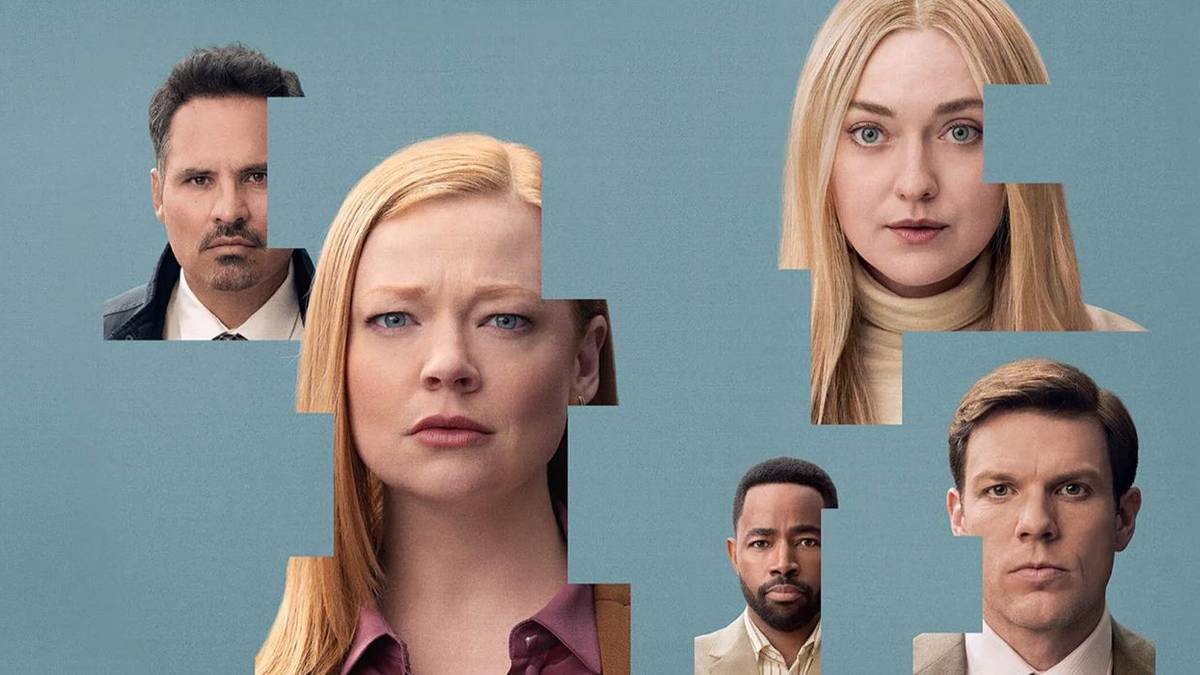
The show arrives amidst think pieces lamenting ‘The Slow Death of the Prestige Thriller,’ and frankly, it feels less like a counter-argument and more like the rattling cough of the patient on its deathbed. A symptom, not a cure. The entire enterprise feels like a paint-by-numbers project assembled by a committee that has access to all the market research but none of the soul. They have the puzzle pieces: an A-list actor fresh off a career-defining role, a best-selling pulpy novel as source material, a central mystery involving a missing child in an affluent community, and a marketing budget to ensure you see the trailer before every YouTube video. But they forgot the glue. The originality. The reason for any of it to exist beyond fulfilling a content quota for a streaming service desperate to justify its subscription fee.
But What Does ‘Prestige Thriller’ Even Mean Anymore?
It’s a fair question, because the term has been diluted to the point of meaninglessness. It’s jargon. Originally, ‘prestige’ television signified a departure from the episodic, commercially-driven network model. It meant complex, novelistic storytelling, moral ambiguity, and cinematic production values—think The Sopranos or Breaking Bad. A ‘prestige thriller’ should, by that logic, be something like Hitchcock on a long-form canvas; a slow-burn examination of paranoia and suspense that uses its extended runtime to delve deeper into psychology than a two-hour film ever could. It should be challenging. Uncomfortable, even.
That is not what we are getting. Not anymore.
Instead, ‘prestige thriller’ has become a cynical marketing tag for what is, essentially, a high-budget soap opera. It’s a melodrama dressed up in the somber color palettes and expensive knitwear of serious television. The ‘twists’ are not organic revelations of character but contrived plot mechanics designed for shock value and Twitter reactions (a cheap substitute for genuine suspense). The secrets are not profound philosophical quandaries but garden-variety infidelities and financial misdeeds. All Her Fault, from the available descriptions, fits this template perfectly. It promises a ‘wild ride’ and a ‘soapy mystery,’ which are code for ‘implausible’ and ‘melodramatic.’ It’s the aesthetic of prestige without the intellectual or artistic substance. It’s smoke and mirrors. A beautifully shot, wonderfully acted distraction from the fact that we’ve seen this exact story a dozen times before.
Is This All Just a Formula? An Algorithm’s Fever Dream?
Absolutely. And it’s a distressingly simple one. Let’s deconstruct the chassis of the modern ‘prestige thriller’ vehicle that All Her Fault is built upon. Component one: The inciting incident must be relatable yet horrific, targeting a primal, suburban fear. A missing child is the gold standard. It immediately establishes stakes and generates audience empathy without requiring any complex character work. Check. Component two: The setting must be an affluent, insular community. This serves a dual purpose. It provides the production design with a budget for beautiful homes and cars (visual prestige), while also creating a claustrophobic environment where everyone knows everyone, and every smile hides a secret. Check. Component three: The protagonist, usually a mother, must be simultaneously sympathetic and unreliable. Her frantic search for the truth is the engine of the plot, but her own past secrets and questionable choices provide the ‘twists’ and red herrings. Casting an actress like Sarah Snook, beloved for playing a complex and morally gray character, is a brilliant (and obvious) move to fulfill this requirement. Checkmate.
This formula is not inherently bad (Hitchcock himself loved a good formula), but its repetitive and uninspired application is the problem. It has become a content factory. Streamers know that this specific sub-genre performs well. It’s engaging enough to keep people from picking up their phones (for a little while, anyway) and complex enough to make them feel like they’re watching something intelligent, even if they’re not. So they commission more. They buy the rights to every paperback with a blurry cover photo of a woman running through the woods or staring out a window. Creativity isn’t the goal; dependable engagement metrics are. The result is a glut of interchangeable shows that feel less like art and more like products designed to fill a niche. They are the television equivalent of a fast-fashion sweater: trendy, cheap to produce on a relative scale, and destined to be forgotten by next season.
What Does Sarah Snook’s Presence Signify?
One might argue that an actor of Sarah Snook’s caliber elevates the material. This is a common defense, and it’s not entirely without merit. A great performance can certainly make formulaic writing more palatable. But let’s look at this from a different angle. What does it say when an actor, fresh from one of the most critically acclaimed shows in history (Succession), immediately pivots to something so… conventional? It’s a safe move. A financially sound one, no doubt. But it’s also a disappointingly predictable one. It represents a flight from the artistically ambitious to the commercially viable.
Her casting is, in itself, part of the ‘prestige’ illusion. The logic is as follows: if an actor from a show we all agree is ‘Great Art’ is in this new show, then this new show must also be ‘Great Art’. It’s a transitive property of quality that simply doesn’t exist in reality. What it really signals is that the ecosystem of television has shifted. The mid-budget, character-driven dramas that used to be the stepping stones for great actors are disappearing. In their place are massive fantasy epics or these cookie-cutter ‘prestige’ thrillers. For an actor looking to lead a series, the options are narrowing. Snook isn’t elevating the material so much as she’s being used by the material to give it a veneer of respectability it hasn’t earned. She is the expensive hood ornament on a mass-produced sedan, designed to make you think you’re buying a luxury car.
So, Is The Genre Truly Dead?
Perhaps ‘dead’ is the wrong word. ‘Braindead’ might be more accurate. Or ‘zombified’. The body is still moving, but the spark of life is gone. It’s shambling forward, feeding on the remains of better stories from the past. The genre’s overreliance on pulpy paperbacks, as one critic noted, is turning what used to be a vibrant cinematic form into a repetitive, uninspired content churn. The problem is that the money is still there. The audience is still there, conditioned to accept this lesser version of a thriller because it’s delivered conveniently to their living rooms.
The future, if this trend continues, is bleak. It’s a future of endless variations on the same theme. The missing husband. The suspicious neighbor. The dark secret from college. The affluent town with a sinister underbelly. We will get All Her Fault, and then we will get His Last Lie, and then The House on Elm Street (not that one), and they will all star a respected actor from a better show, and they will all feature five twists in six episodes, and they will all be forgotten a month after they premiere. It’s not the death of the thriller genre itself—that will live on. It is, as the source material so aptly puts it, a slow death. A death by a thousand uninspired cuts. A quiet, comfortable, and depressingly profitable end. And we’re all just watching it happen. Episode by episode.