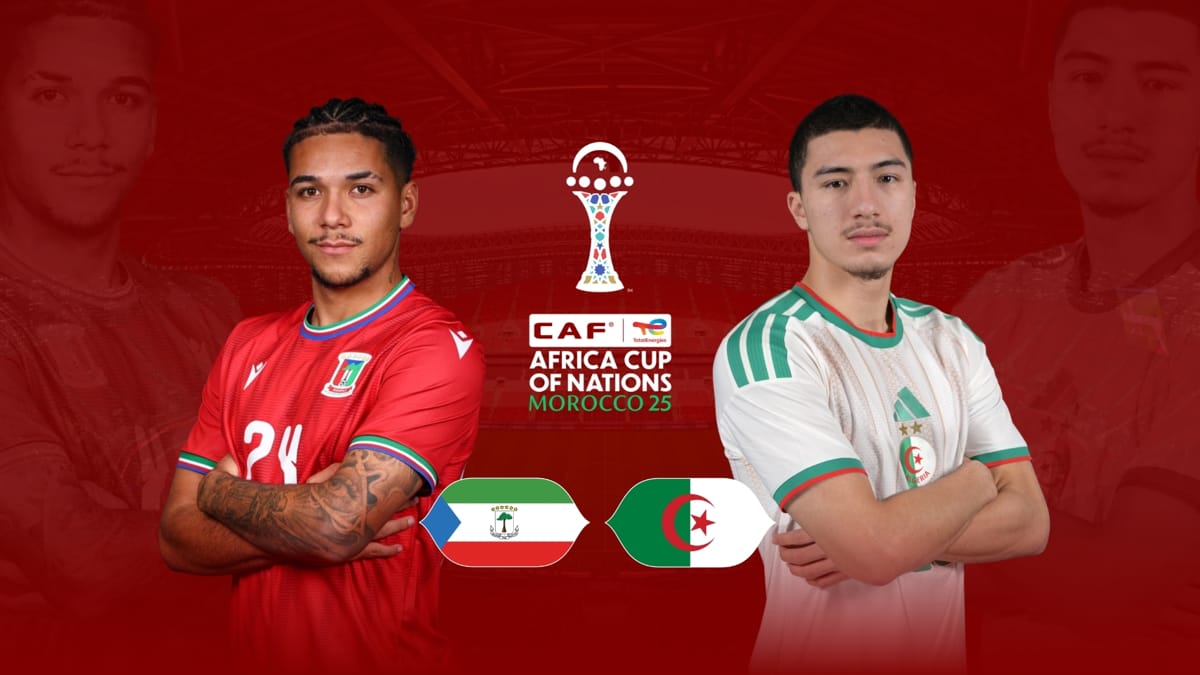
The Whispers Behind the Pitch: Algeria’s “Assurance” vs. Equatorial Guinea’s Desperate Pride
Alright, settle in, because what you’re about to read isn’t the sanitized fluff the mainstream media peddles. This isn’t just a football match; it’s a high-stakes drama with more twists than a corkscrew, and believe me, the script writes itself when you know where to look. We’re talking Algeria versus Equatorial Guinea in the AFCON 2025 group stages, and if you think it’s just about who’s topping the group, well, bless your naive heart. It’s a whole different ballgame (pun intended) when you peel back the layers.
The official narrative is always so neat, isn’t it? Algeria, basking in “calm assurance,” facing a plucky Equatorial Guinea with “a fight for pride.” Sounds poetic, right? But from where I’m sitting, with the access I’ve got, that “calm assurance” on the Algerian side feels more like a house of cards, built on a foundation of expectation that’s ready to wobble at the slightest gust. You see, Algeria carries the weight of a nation, a history of past glories that sometimes feels less like inspiration and more like an anchor dragging them down. When you’ve tasted continental triumph, anything less is deemed a failure, a public humiliation that reverberates far beyond the locker room. Petkovic, the coach, calls it “tricky” – a diplomatic understatement if I ever heard one. He’s trying to manage expectations, sure, but he’s also aware of the snakes in the grass, the internal dissent that festers when things aren’t absolutely perfect. And let’s be real, perfect is a myth in football, especially when you’re dealing with egos the size of small planets.
The Serpent in Algeria’s “Assurance”
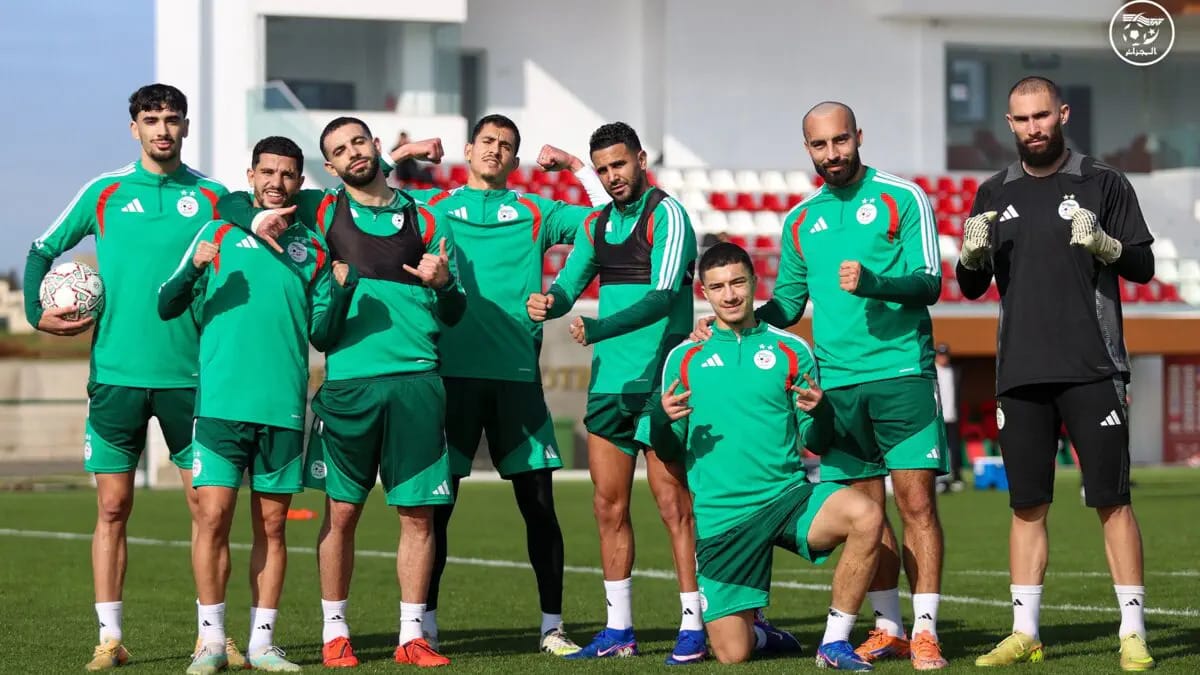
Let’s talk about this “assurance” for a moment, because it’s a hell of a smoke screen. Algeria is a powerhouse, no doubt, but that status comes with a crushing burden. Every pass, every tackle, every missed opportunity is magnified a thousandfold by a populace that lives and breathes football as much as any in the world. The pressure on these players, and especially on Petkovic, is immense, a constant, suffocating blanket of scrutiny that would make lesser men fold. The narrative of “extending a winning streak” sounds great on paper, but I can tell you, having ears in those dressing rooms, that it translates to “don’t mess this up, or you’re out.” It’s a cutthroat business, and Algerian football, for all its visible glory, is no different. The whispers about certain players’ commitment, about tactical disagreements, about the old guard clashing with the new blood – those aren’t just rumors, my friends. Those are the tectonic plates shifting beneath that calm exterior, threatening an earthquake.
Consider the history: Algeria’s triumphs have always been hard-won, often against improbable odds, or after periods of intense introspection and restructuring. The 2019 AFCON victory wasn’t just a win; it was a societal balm, a moment of unity. The subsequent dip, the missed World Cup qualification, was a stark reminder of how quickly the tables can turn, how fleeting glory truly is. And now, Petkovic is trying to steady a ship that has weathered many storms, some of them self-inflicted. He’s got to prove he’s the guy to lead them back to consistent dominance, not just a one-off win. The shadow of previous coaches, legends who failed to replicate past successes, looms large over every training session, every team meeting (where, trust me, not everyone is singing from the same hymn sheet). The team sheets, those “probable line-ups” that get leaked, are not just about who’s fit; they’re a strategic chess game, reflecting alliances and power struggles within the squad, a delicate balancing act to keep everyone happy enough to perform.
Equatorial Guinea: The Underdog Baring Its Teeth
On the flip side, you’ve got Equatorial Guinea. “A fight for pride,” indeed. But this isn’t just about feeling good. This is about national identity, about putting a small, often overlooked nation on the global map, even if just for a fleeting moment. Their players, many of whom ply their trade in less glamorous leagues, are not burdened by the same historical expectations. They play with a hunger, a raw, unadulterated desire that sometimes, just sometimes, can throw a monkey wrench into the well-oiled machine of a perceived giant. This isn’t just a game for them; it’s an opportunity, a chance to carve out a legacy, to inspire the next generation back home where resources are scarce but passion for the beautiful game is abundant. They don’t have the luxury of “calm assurance” because every single match is a do-or-die scenario, a desperate plea for recognition.
Their history, while not as illustrious as Algeria’s, tells a different story: one of resilience, of punching above their weight when it matters most. Remember their surprise runs, the moments they’ve upset bigger teams? Those weren’t flukes; those were manifestations of a collective will, a refusal to be intimidated. And that, my friends, is where the danger lies for Algeria. Complacency is a cruel mistress, and if Algeria walks onto that pitch believing the hype, thinking it’s a mere formality, Equatorial Guinea will be there, ready to pounce, to make them eat their words. The odds might be stacked against them (they always are), but the heart of an underdog can be a formidable weapon, a secret ingredient that no amount of talent or budget can truly overcome. They’re playing with nothing to lose, which, in football, can make a team incredibly dangerous. It’s like a cornered animal; it will fight with everything it has, scratching and biting for every inch.
The Geopolitical Ballgame: More Than Just Kicks
And let’s not forget the deeper currents at play here, the stuff they don’t talk about on the sports news. African football, particularly tournaments like AFCON, is deeply intertwined with politics and national prestige. For resource-rich nations like Algeria, a successful national team is a powerful tool for soft diplomacy, a way to project an image of strength and stability on the global stage. A stumble? That’s not just a loss; it’s a dent in the national ego, a potential spark for discontent among a population already grappling with economic realities. For Equatorial Guinea, a smaller nation with its own complex political landscape, success on the pitch offers a rare moment of unity and positive international attention, a chance to shift the narrative, even if momentarily, from other, less flattering headlines. The stakes are monumental, far exceeding the three points on offer. These matches are a microcosm of regional dynamics, rivalries, and aspirations, often reflecting historical tensions and modern-day alliances.
The implications for CAN 2025 are also huge. While the current focus is AFCON 2025, the underlying performances here will undoubtedly influence the trajectory for the next continental showpiece. A strong showing builds momentum, attracts investment, and solidifies a team’s standing. A poor run can trigger a complete overhaul, throwing years of planning into disarray. Petkovic’s future, as much as he’d like to deny it, hinges on how Algeria navigates these waters. One slip, one unexpected upset, and the knives will be out. That’s the brutal reality of managing a top national team; you’re only as good as your last result, and the fans (and the federations pulling the strings) have the memory of an elephant when it comes to past failures. The “probable line-ups” aren’t just guesses; they’re educated forecasts by those of us who hear what’s really going down in training camps, the debates over who’s in form, who’s got the “juice,” and who’s just going through the motions. Sometimes a coach picks a player not because he’s the best, but because of external pressures, or to send a message. It’s a delicate dance.
The Final Whistle: A Game of Minds and Men
So, when Algeria and Equatorial Guinea face off, don’t just watch the ball. Watch the body language, the unspoken communication, the desperation in Equatorial Guinea’s eyes, and the barely concealed tension beneath Algeria’s polished surface. This is more than a sporting contest; it’s a clash of philosophies, of raw ambition against institutional pressure. Petkovic might call it “tricky,” but I’d call it a powder keg waiting for a spark. The insider intelligence suggests that while Algeria *should* win, there’s a fragility there, a crack in the armor that Equatorial Guinea, if they’re smart and tenacious enough, could exploit. This isn’t just about tactical formations or individual brilliance; it’s about heart, grit, and who wants it more when the chips are down. It’s about who buckles under the immense weight of expectation and who rises to the occasion with nothing but pride to lose, and everything to gain. Trust me, the real stories are never on the front page, and this game is dripping with them. Keep your eyes peeled, because this could be a real eye-opener, a shocking reveal that nobody saw coming. The beautiful game, they call it. Sometimes, it’s also the brutally honest game.
The implications cascade, you know. A surprising result here doesn’t just alter group standings; it shifts psychological momentum, creates new heroes, and, let’s be blunt, opens the door for a lot of second-guessing and finger-pointing back in the Algerian camp. Equatorial Guinea, on the other hand, if they pull off an upset, they get to write their own fairytale, to stick it to the big boys, and that, for a country that often struggles for global recognition, is priceless. It’s a shot in the arm, a morale booster that could fuel them for years. Petkovic, bless his heart, is walking a tightrope without a safety net, trying to balance the needs of star players, the demands of the federation, and the insatiable appetite of a demanding fanbase. It’s a pressure cooker, and he’s the one trying to keep the lid on it. You can bet your bottom dollar, this match isn’t just about three points; it’s about careers, legacies, and the very soul of two nations. And that, my friends, is the real scoop.