Ace Combat 8: Wings of Theve is Just More Gamer Bait
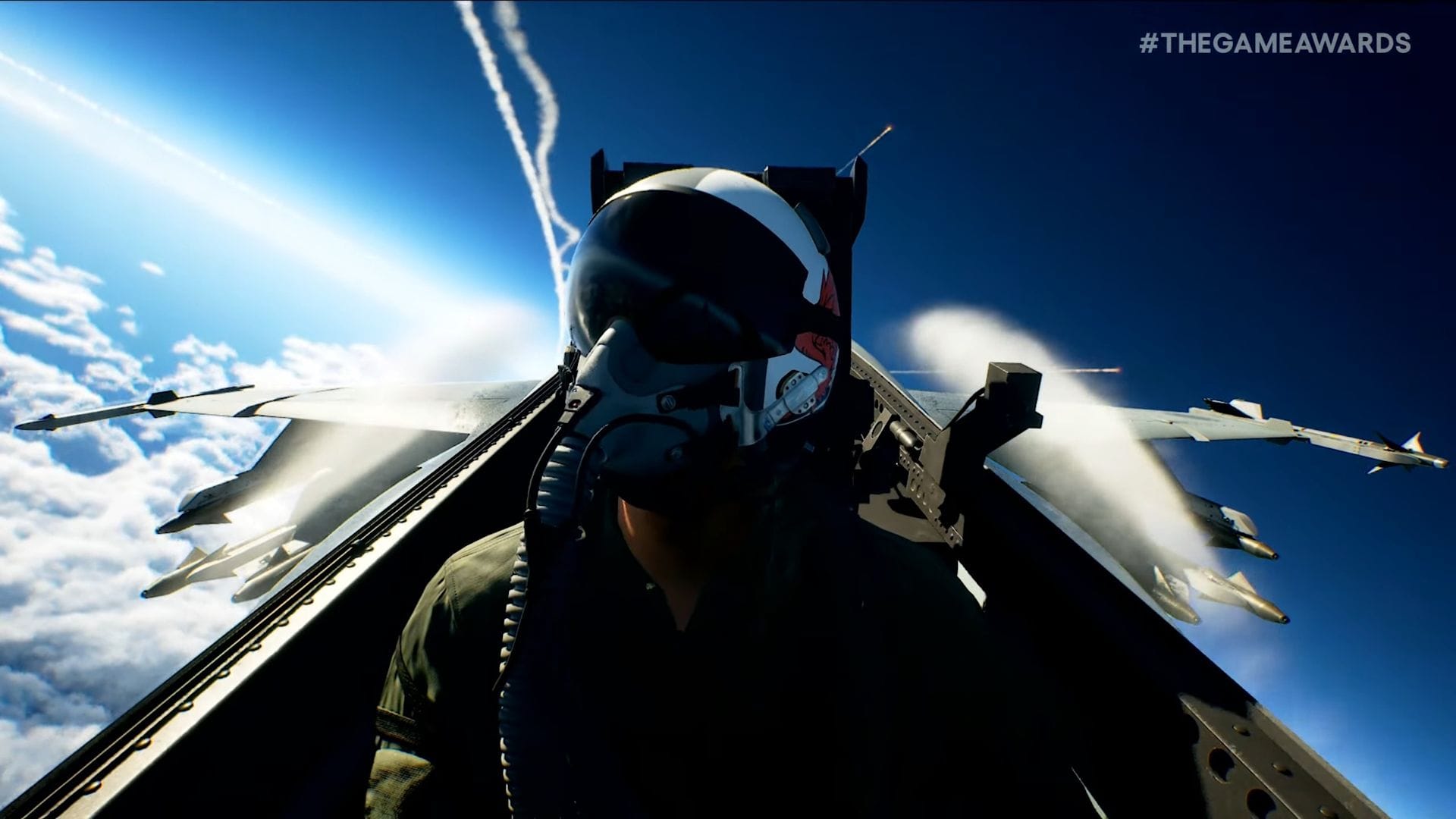
Bandai Namco Entertainment’s announcement of Ace Combat 8: Wings of Theve during the 2025 Game Awards isn’t a celebration of creativity; it’s a cold, calculated business move. The seven-year gap since Ace Combat 7 and the 7 million sales figure aren’t markers of artistic patience; they’re evidence of a corporate harvesting strategy. The delay wasn’t about perfecting a vision; it was about maximizing the profit window for the previous title and ensuring the market was starved enough to guarantee another massive launch. This isn’t a new installment in a beloved franchise; it’s a scheduled re-release designed to exploit nostalgia and keep the intellectual property relevant for shareholders.
The Illusion of Innovation vs. The Stagnation of Sequels
The marketing copy boasts that Ace Combat 7 redefined arcade flight action games, but let’s be real—how much redefining can you truly do in a genre dedicated to flying fast planes and shooting down enemies? The core loop of Ace Combat hasn’t changed fundamentally in two decades. The promise of Ace Combat 8 is less about new gameplay mechanics and more about a graphical facelift and a new set of high-polygon jets for players to fawn over. This is the gaming industry’s most successful trick: repackaging the familiar and selling it as revolutionary. We’ve seen this play out with countless franchises where the financial risk of true innovation is deemed unacceptable by publishers obsessed with quarterly growth. The result is a cycle of stagnation where players are fed an endless diet of slightly shinier versions of what they already own. Bandai Namco, like every major publisher right now, sees the sequel not as a canvas for new ideas but as a highly accurate calculator for future shareholder dividends, ensuring that the next seven years will be spent cashing checks from a formula they already proved works rather than innovating anything substantial for the players who actually shelled out for the previous title. It’s a calculated shakedown.
The Uncomfortable Truth: Glorifying the Military-Industrial Complex
The real issue with Ace Combat 8 isn’t just the lack of innovation; it’s the underlying premise of what these games represent. Ace Combat exists within a vacuum where advanced warfare is presented as a thrilling, consequence-free spectacle. The game’s fantasy of the heroic ace pilot, battling against overwhelming odds in high-tech aircraft, completely sanitizes the reality of modern conflict. This isn’t just entertainment; it’s a form of soft propaganda for the military-industrial complex. The very technologies featured in the game—advanced drones, autonomous AI, high-speed missiles—are real-world developments currently shaping global conflicts. By presenting them in a highly stylized, heroic narrative, these games help normalize a future where warfare is digitized, detached, and ultimately dehumanized. The game teaches players to see these instruments of destruction not as a threat to global stability, but as cool toys to be mastered. We are being conditioned to accept the next generation of warfare by experiencing it first in a virtual playground. This isn’t escapism; it’s indoctrination. The line between gaming fantasy and real-world military R&D blurs when companies like Bandai Namco profit directly from glorifying the machines of death. They’re selling us a future where technology makes war look like a video game, not the devastating reality it truly is.
The Dystopian Future of Theve: AI Control and Human Obsolescence
Let’s consider the title: Wings of Theve. “Theve” is an ominous, synthetic-sounding word. Given the current technological trajectory, it’s highly likely this game’s storyline will involve themes of advanced AI control, automated warfare, and the increasing obsolescence of human pilots. In previous installments, the narrative has often flirted with AI super-weapons and rival automated forces. Ace Combat 8 will likely lean heavily into this, presenting a conflict where the human element is either struggling against an unstoppable digital force or, more disturbingly, willingly integrating with it. This resonates chillingly with real-world advancements in drone technology and AI-driven combat systems. We are rapidly approaching a point where human pilots become irrelevant, replaced by autonomous drones that can make decisions faster and more efficiently. The game, rather than criticizing this shift, will present it as part of the exciting high-stakes drama, further normalizing a dystopian future where human agency in warfare is completely surrendered to algorithms. The core conflict isn’t between two nations; it’s between man and machine, and in the world of Ace Combat, the machine almost always wins in terms of spectacle. The human element becomes nothing more than a narrative device for emotional beats, while the true power lies with the high-tech weaponry on display.
Bandai Namco’s Corporate Strategy: IP Monoculture and The Elden Ring Effect
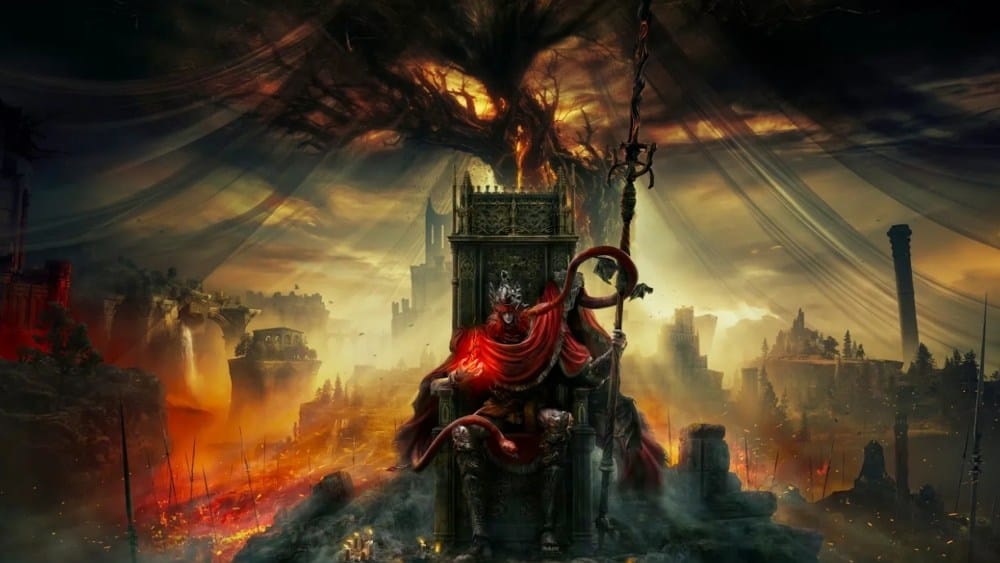
We see the same corporate strategy playing out across Bandai Namco’s portfolio. The announcement of an Elden Ring Movie, for example, shows a publisher dedicated to monetizing every facet of every successful IP. The goal is no longer to make a single great game; it’s to create an interconnected entertainment ecosystem where every asset can be exploited for maximum returns. Ace Combat 8 isn’t just a game; it’s another piece in this larger corporate puzzle. The game’s narrative will be streamlined, its characters marketable, and its world-building designed for cross-media adaptation. This focus on IP monoculture stifles creativity and turns developers into content factories, where every decision is filtered through the lens of maximizing profit rather than artistic expression. The magic of a unique, self-contained experience is lost when the goal is to expand the IP into animated series, mobile games, and collectible figures. The result is a sterile, committee-approved product that lacks genuine soul but checks all the boxes for market penetration.
Conclusion: A Dystopian Cycle of Consumption
When we look at Ace Combat 8: Wings of Theve, we aren’t seeing a future where gaming thrives; we’re seeing a future where corporate interests dominate. We are willingly participating in a cycle of consumption that glorifies military technology and recycles old ideas under a new coat of paint. The game offers high-octane escapism, but in doing so, it desensitizes us to the very real and terrifying technological advancements that are accelerating global conflicts. It’s a shiny, high-definition distraction from a very dark reality, and we’re lining up to pay for it. The hype cycle for Ace Combat 8 proves one thing: we are ready to consume whatever polished, high-tech spectacle our corporate overlords produce, no matter how empty it truly is. We are the consumers in a dystopian entertainment landscape. We are trapped. It’s time to recognize the pattern before we are completely lost in the spectacle.