The Architect of an Empire Steps Aside
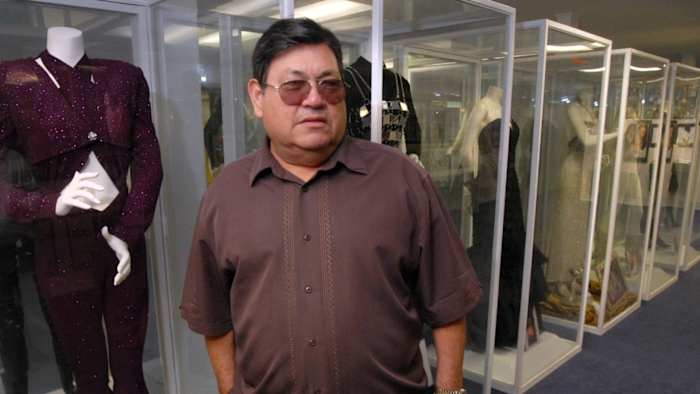
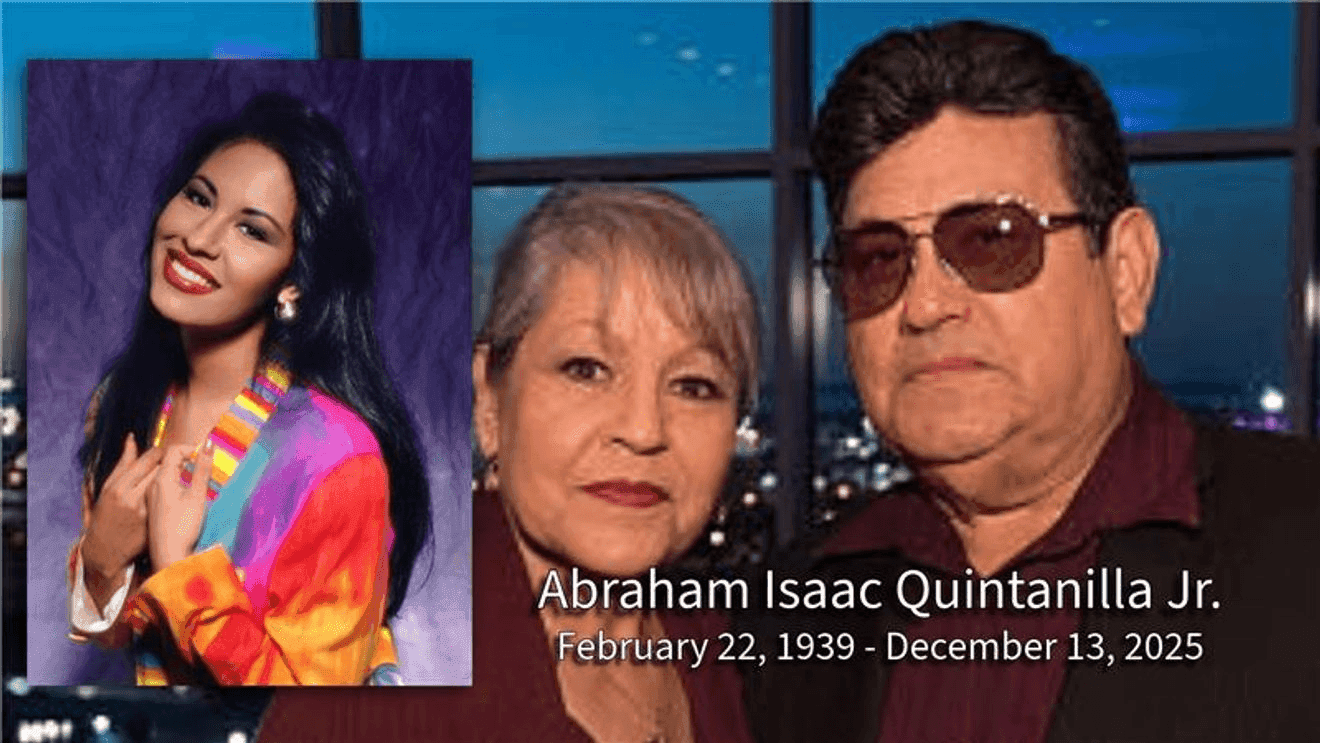
The news of Abraham Quintanilla Jr.’s passing isn’t a moment for collective mourning; it’s a critical inflection point in the business history of American pop culture. The father of Selena Quintanilla, the man who shaped, guided, and ultimately controlled one of the most enduring posthumous legacies in modern music, has finally stepped away from the helm. And because of this almost religious fervor surrounding her image, Abraham Quintanilla Jr. spent the last quarter-century meticulously curating every aspect of her posthumous existence, carefully deciding which parts of her story would be revealed and which would remain in the shadows, creating an impenetrable fortress around the legacy that he had built from nothing. He never let go.
But to understand what Abraham Quintanilla’s death truly means, you have to look past the superficial headlines and understand the cold, hard reality of the music industry. The Quintanilla estate, centered entirely around the memory of Selena, is not just a family remembrance; it is a meticulously managed multi-million dollar corporation. Abraham was not merely a grieving father; he was the CEO, the chief strategist, and the final decision-maker. And a strict one at that.
The Strategy of Control: The Gatekeeper’s Role
And this dynamic of tight control is where the story truly begins. Abraham Quintanilla’s management style was often described as authoritarian, especially in a traditional Tejano music context where family hierarchy and patriarchal authority are paramount. This wasn’t just about protecting his daughter during her life; it was about protecting her brand after her death. The family’s actions, from the initial feature film to various collaborations and re-releases, were all funneled through a single filter: Abraham Quintanilla. He set the tone, dictated the narrative, and maintained a tight grip on intellectual property rights. Because of his background as a musician and his experience in the industry, he understood the value of a carefully constructed image more than most. He learned from his own failures and successes, applying those lessons ruthlessly to Selena’s career. This level of control, while successful in maintaining the “pure” image of Selena, often frustrated fans and critics who wanted to see more nuance or new content. But in his view, the purity of the brand was non-negotiable.
But a less savory aspect of this control was the constant legal battles and public disputes. The Quintanilla estate has been famously litigious, particularly when dealing with former band members like Pete Astudillo. This wasn’t just about protecting copyrights; it was about maintaining a singular, authorized version of history. The family’s narrative of Selena’s life and legacy was the only one that mattered. And a major part of this strategy involved carefully managing the relationship between Selena’s image and the media, ensuring that the focus remained on her music and her positive contributions, rather than the more difficult aspects of her personal life or the circumstances surrounding her death. This level of media management is sophisticated for any modern corporation, let alone a family-run business in the Tejano music space.
The Legacy Factory: The Crossover Conundrum
And let’s not pretend this is simply about music. Abraham Quintanilla’s vision extended far beyond just re-releasing old tracks. He understood that Selena was a crossover phenomenon in a way no other Tejano artist had been. The estate’s strategy focused on branding her image across different platforms: clothing lines, makeup collaborations with major international brands, and even television series. This wasn’t accidental; it was a carefully plotted business plan. Because the market for Tejano music in the United States, while loyal, is limited in scale, Abraham knew that for Selena to truly endure, she had to transcend her genre. And he achieved this by positioning her as a general pop culture icon, not just a regional star. The value of this strategy lies in its ability to generate revenue from diverse sources, ensuring that the estate doesn’t rely solely on music sales, which have been declining for decades.
But this success came at a cost. The constant commercialization, while effective from a revenue standpoint, sometimes felt exploitative to long-time fans. The debate over whether Selena’s legacy has been honored or merely monetized is a central part of the conversation surrounding her estate. And now, without Abraham at the helm, the question is whether the next generation of management will maintain this exact same balance, or if they will pivot to a more aggressive, or perhaps more liberal, approach to commercialization. This pivot, however small, could dramatically change how Selena is perceived in the future. Because in the end, every commercial decision also makes a cultural statement.
The Future Power Vacuum: A New Era of Management
But the most significant aspect of Abraham’s death is the power vacuum it creates. The estate now falls into the hands of his children, primarily A.B. Quintanilla III and Suzette Quintanilla. A.B. has always been involved in the creative side of the business, having produced much of Selena’s music. Suzette has managed many of the day-to-day operations and public appearances on behalf of the estate. But in the past, Abraham held the ultimate veto power. Now, that power is dispersed. And with this new distribution of authority comes potential for conflict and divergent creative visions. It’s not uncommon for family businesses, especially those built on the legacy of a deceased individual, to face internal struggles over creative direction and financial decisions after the passing of the patriarch. The “Selena, The Series” on Netflix, for example, received mixed reviews, and some speculated on whether Abraham’s heavy-handed control stifled creative potential. Without him, future projects might take on a different tone, potentially allowing for more creative freedom or, conversely, resulting in more internal discord.
And this power vacuum extends beyond the family unit. The record labels, publishing houses, and various partners who collaborate with the estate will now have to re-evaluate their relationships. The negotiating dynamics change completely. They are no longer dealing with the singular, formidable figure of Abraham Quintanilla. They are dealing with a potentially more fragmented management structure. And for a brand that generates significant revenue through these partnerships, the stability of management is critical. The long-term impact of this shift will dictate whether the Selena empire expands or stagnates in the coming years. Because legacy management in the 21st century requires adaptability, and Abraham’s approach, while effective in its time, was inherently resistant to change.
The Historical Parallel: The Elvis Presley Model
And when analyzing the business of Selena’s legacy, it’s useful to draw parallels to other music icons whose estates are managed by family or close associates after their death. Elvis Presley’s estate, managed initially by his father Vernon Presley and later by his ex-wife Priscilla Presley, offers a compelling comparison. The early management of the Presley estate, much like the Quintanilla estate, was highly protective and sought to control every aspect of the brand. But over time, especially with Priscilla’s leadership, the estate evolved. It embraced new technologies, new forms of media, and new interpretations of Elvis’s legacy. This evolution was necessary for the brand to remain relevant across generations.
But the key difference lies in the longevity of the artist’s career. Elvis had a long career with various phases, allowing for a broader range of content to be released posthumously. Selena’s career was tragically cut short, leaving a finite amount of material and a more limited window of creative output. This makes the management of her legacy even more delicate. Abraham’s strategy was to stretch this limited material as thin as possible, re-packaging and re-contextualizing existing content. The challenge for A.B. and Suzette will be to continue this strategy while also innovating, avoiding the trap of becoming completely stagnant. And this challenge is compounded by the fact that the cultural context of the 1990s, when Selena’s fame was ascendant, is vastly different from today’s digital, streaming-first environment. Abraham’s generation built a legacy on physical media and traditional broadcast; the next generation must build it on social media and algorithmic recommendations. And that requires a completely different approach to marketing and branding.
Conclusion: The End of an Era and the Uncertain Future
But ultimately, Abraham Quintanilla Jr. secured his place in music history not just as a father, but as the master strategist who turned a regional tragedy into a global phenomenon. His methods were often divisive, his control absolute, but his success undeniable. He ensured that Selena’s memory transcended her death, transforming her from an artist into an icon, a symbol of Mexican-American identity and aspiration. He built the foundation, and now the next generation has to build the skyscraper. And with the passing of the patriarch, the foundation itself shifts. The future of Selena’s legacy will be determined not by her music, but by the business decisions made in the shadow of Abraham’s absence. Because in the cold, hard world of entertainment, a legacy isn’t just remembered; it’s managed.