
Luxury EV Depreciation: A Costly Reality for Owners
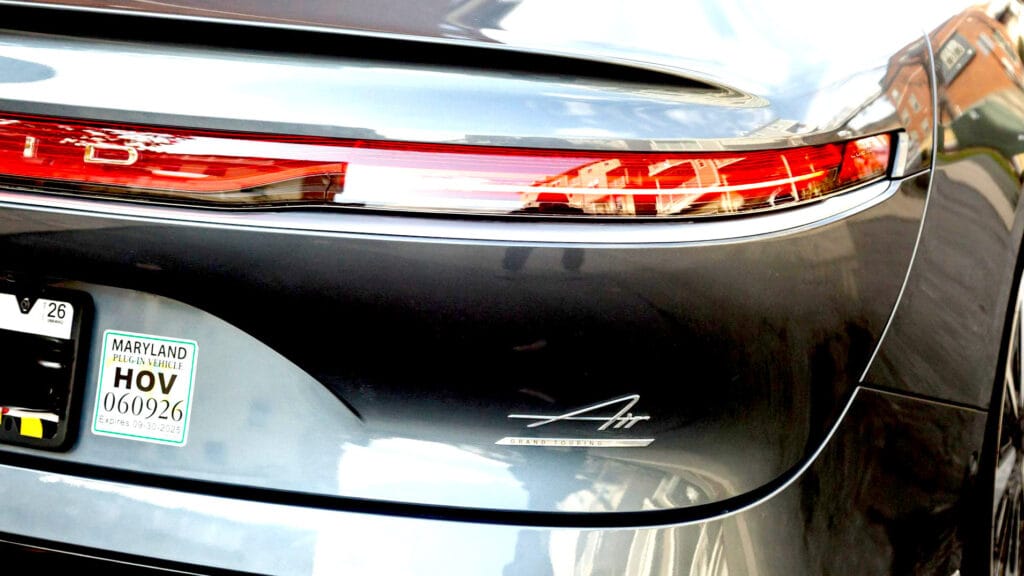
The premium electric vehicle market, despite its technological allure, is not immune to the harsh realities of depreciation. A recent sale of a Lucid Air Grand Touring has brought this issue into sharp focus.
The vehicle, originally purchased for $124,950, was listed for sale online this month after accumulating only 6,500 miles. The seller incurred a significant loss, with the resale price suggesting a depreciation of nearly $50,000.
Why This Matters: The Buyer’s Advantage
For the buyer, this situation presents a substantial opportunity. They effectively acquired a flagship electric vehicle at a steep discount, bypassing the initial, most aggressive phase of depreciation that plagues many high-end automobiles.
This transaction underscores a common pattern in the luxury car market: the first owner often bears the brunt of the vehicle’s value loss. Subsequent buyers can benefit from this, acquiring pre-owned luxury goods at a more accessible price point.
The Premium EV Market Landscape
Lucid has carved out a niche in the premium EV sector, lauded for its impressive engineering and distinctive design. Models like the Air are celebrated for their performance and luxury appointments, aiming to compete with established luxury brands.
However, even with cutting-edge technology and a premium positioning, new vehicles, especially those with high original price tags, are subject to significant value erosion. This is particularly true in rapidly evolving sectors like electric vehicles, where new models and battery technology are constantly emerging.
Factors Influencing Depreciation
Several factors contribute to the steep depreciation seen in luxury EVs. The high initial cost is a primary driver; a $125,000 car will naturally experience a larger dollar amount of depreciation than a $30,000 car, even if the percentage loss is similar.
Technological obsolescence is another key concern. The rapid advancement of EV battery technology, charging speeds, and autonomous driving features can make older models feel dated sooner than in traditional internal combustion engine vehicles. Buyers may worry that a newer, more efficient, or feature-rich model will soon be released.
Market demand also plays a critical role. While Lucid has a dedicated following, its brand recognition and sales volume are still building compared to established automotive giants. A smaller pool of potential buyers for a niche luxury EV can impact resale values.
The Lucid Air Touring: A Look at its Appeal
The Lucid Air Touring model, in particular, has garnered attention for its blend of performance, range, and design. Comparisons have been drawn to classic British luxury marques, suggesting a sophisticated and refined driving experience.
This model aims to deliver a driving experience that is both exhilarating and comfortable, targeting consumers who seek both advanced technology and a premium aesthetic. Its interior is often praised for its minimalist design and high-quality materials.
Balancing Luxury and Cost
The allure of a nearly-new luxury EV at a reduced price is undeniable. For consumers who might have previously found a brand-new Lucid Air out of reach, this secondhand market presents a compelling alternative.
It allows them to experience the pinnacle of EV technology and luxury without the initial financial hit. This dynamic can be a double-edged sword for manufacturers, as it can affect new sales and brand perception if depreciation is too aggressive.
Looking Ahead: The EV Resale Market
The substantial depreciation of this Lucid Air serves as a cautionary tale for new EV buyers, especially those opting for high-end models. It highlights the importance of considering long-term value retention when making such a significant purchase.
As the EV market matures, resale values are expected to stabilize. Factors such as longer battery lifespans, more standardized charging infrastructure, and growing consumer familiarity with electric powertrains will likely influence this trend.
Manufacturers are also exploring strategies to mitigate depreciation, including offering extended warranties on batteries and developing certified pre-owned programs. However, for now, the used luxury EV market continues to offer significant value for discerning buyers willing to navigate the depreciation curve.
The story of this Lucid Air is a microcosm of the challenges and opportunities within the burgeoning premium EV segment. It demonstrates that while innovation comes at a premium, the secondary market can provide an accessible entry point for experiencing the future of automotive technology.
