Arctic Blast Descends on Metro Detroit, Bringing Cold and Snow
A biting wind advisory remains in effect across Metro Detroit this morning, as a frigid Arctic air mass settles over Southeast Michigan. Residents are urged to stay indoors and take precautions against the extreme cold that has gripped the region.
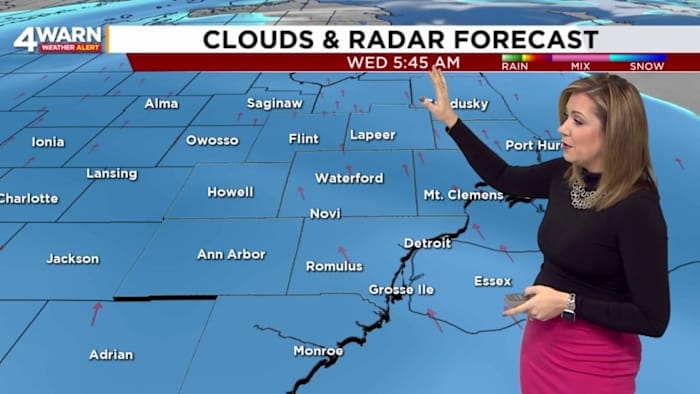
The National Weather Service has issued a Winter Weather Advisory for all of Southeast Michigan, which is expected to last until 10 AM. This advisory is in response to lake effect snow showers that began early this morning, dusting the area and contributing to hazardous driving conditions.
Mid-Michigan Schools Close Doors Amid Frigid Temperatures
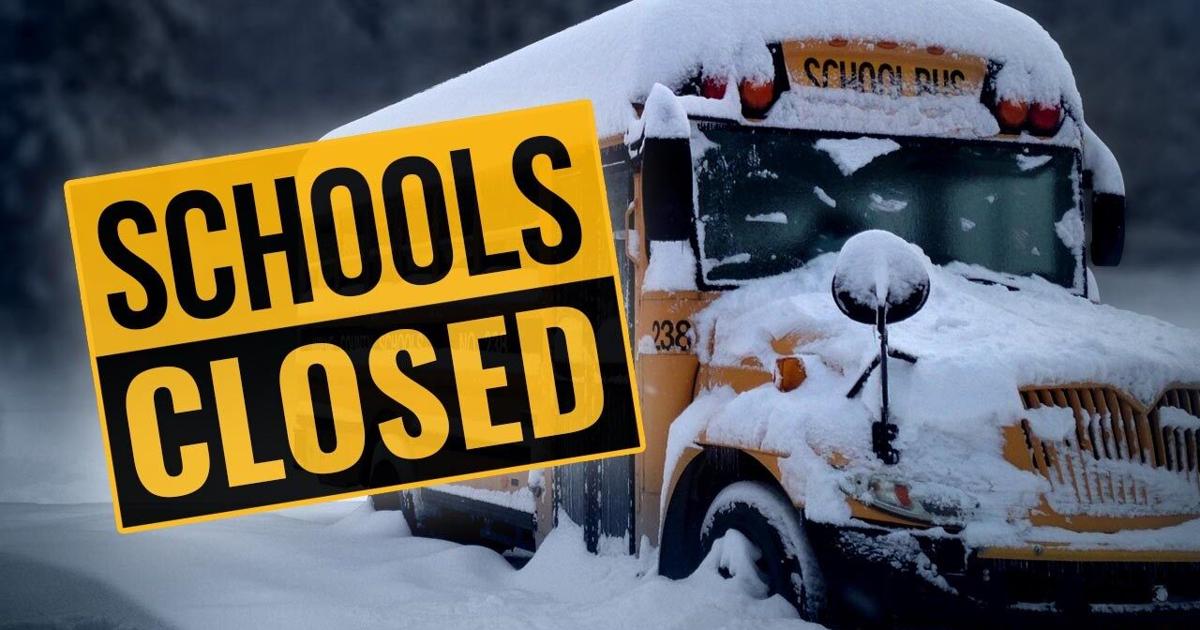
The severe weather pattern has prompted widespread school closures in Mid-Michigan. Many school districts announced cancellations for Tuesday, prioritizing the safety of students by encouraging them to stay warm indoors rather than brave the frigid conditions.
This decision highlights the severity of the current weather, where venturing outside for extended periods poses significant health risks. The focus is on ensuring students and staff can remain safe and comfortable until the extreme cold subsides.
Heightened Frostbite Danger and Forecast for More Snow
For those in Upper Michigan, the danger of frostbite remains elevated as the Arctic air lingers. This prolonged period of extreme cold necessitates constant vigilance and adherence to safety guidelines. Exposed skin can develop frostbite in a matter of minutes under such conditions.
Looking ahead, forecasters predict an increase in snowfall midweek as the cold air continues to influence the weather patterns. The National Weather Service has issued alerts detailing the expected conditions and urging residents to stay informed.
Understanding the Impact of Arctic Air
Arctic air masses are characterized by extremely cold temperatures that originate from the polar regions. When these masses move southward into more populated areas, they can bring about dramatic shifts in weather, including significant drops in temperature, strong winds, and increased chances of snow.
The presence of Arctic air is often accompanied by what is known as a Wind Chill Advisory or Warning. This is because the wind can make the already frigid temperatures feel even colder. The wind chill is a measure of how cold it feels to exposed skin due to the combination of air temperature and wind speed. Even when the actual air temperature is above freezing, a strong wind can create a wind chill factor that is low enough to pose a risk of frostbite.
The Science Behind Lake Effect Snow
Lake effect snow is a common phenomenon in the Great Lakes region during the colder months. It occurs when cold, dry air moves across the relatively warmer waters of the Great Lakes. As the air passes over the lakes, it picks up moisture and heat.
When this moisture-laden air reaches the colder landmass, it releases its moisture in the form of snow. The intensity of lake effect snow can vary greatly, from light flurries to heavy bands that can dump several inches of snow in a short period. The geography of the land downwind of the lakes plays a significant role in where these snow bands form and how much snow accumulates.
Health Risks Associated with Extreme Cold
Extreme cold poses several serious health risks, even for individuals who are otherwise healthy. The most immediate concern is frostbite, which is an injury caused by freezing of the skin and underlying tissues.
The areas most vulnerable to frostbite are the extremities, such as fingers, toes, ears, and the nose, as these are the parts of the body furthest from the core and tend to lose heat more quickly. Symptoms of frostbite can range from numbness and tingling to hard, white, and waxy-looking skin in severe cases. Prompt medical attention is crucial to prevent permanent damage.
Another significant risk is hypothermia, a condition where the body loses heat faster than it can produce it, leading to a dangerously low body temperature. Early symptoms of hypothermia include shivering, confusion, slurred speech, and drowsiness. If left untreated, hypothermia can lead to loss of consciousness and can be fatal.
Staying Safe During Winter Weather Events
To mitigate the risks associated with extreme cold and winter weather, it is essential to take several precautions. During periods of advisories or warnings, limiting outdoor activities is highly recommended.
When outdoor activity is unavoidable, it is crucial to dress in warm layers. This includes wearing a hat, gloves, and a scarf to protect exposed skin. Clothing made of wool or synthetic fibers is generally more effective at trapping heat than cotton, which can become damp and lose its insulating properties.
Checking on vulnerable populations, such as the elderly and young children, is also a critical aspect of community safety during these events. These groups are often more susceptible to the effects of extreme cold.
Broader Context: Seasonal Weather Patterns
The current weather situation in Metro Detroit and Mid-Michigan is part of a larger seasonal pattern. Winter in the northern United States is typically characterized by cold temperatures and the potential for significant snowfall. The variability of these conditions from year to year and even week to week is a constant challenge for residents and authorities alike.
Understanding these seasonal weather patterns helps communities prepare for the inevitable disruptions that winter storms can cause. This includes preparing homes for cold weather, ensuring vehicles are winter-ready, and having emergency supplies on hand.
The decision by school districts to cancel classes is a proactive measure to ensure the safety and well-being of their students. It reflects a commitment to responsible decision-making in the face of predictable, yet potentially dangerous, weather events.
“The wind can make you feel like you’re in a deep freeze, even when the thermometer isn’t showing the absolute lowest numbers. It’s that biting chill that really gets to you and makes you want to hunker down until it passes.”
As the region continues to navigate the current cold snap and potential for more snow, staying informed about weather updates and heeding official advisories will be key to staying safe. The resilience of communities is often tested during such times, but with preparation and awareness, the challenges can be managed effectively.