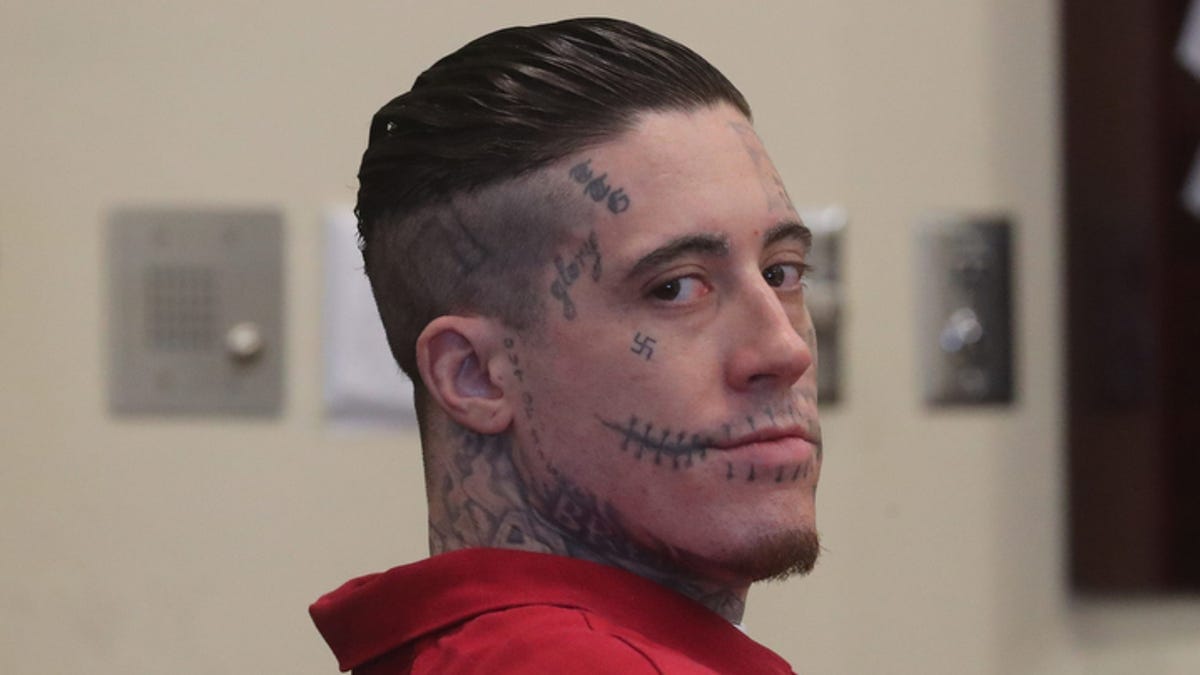
CONTEXTUAL ANALYSIS: The Case of Wade Wilson on Paramount+
Paramount+ is set to captivate audiences with its new docuseries, "Handsome Devil: Charming Killer." This highly anticipated true-crime production focuses on the disturbing case of Wade Wilson, a figure whose criminal actions garnered significant media attention.
Wilson is a convicted murderer, having been sentenced to death for the 2019 murders of two women. The docuseries aims to provide an in-depth examination of the case, exploring the circumstances surrounding the crimes and Wilson’s eventual conviction. While specific details of the series’ narrative remain under wraps beyond the initial announcement, the title itself hints at a psychological exploration of Wilson’s demeanor and actions.
Unpacking the ‘Handsome Devil’ Moniker
The subtitle "Charming Killer" suggests a focus on the deceptive facade often employed by individuals who commit heinous crimes. This narrative angle is a common thread in true-crime documentaries, seeking to understand the psychological mechanisms at play and the ways in which perpetrators can blend into society undetected.
Moreover, the docuseries title references the public moniker "Deadpool Killer," an unsettling alias that underscores the brutality and disturbing nature of the crimes. Such nicknames, often originating from public discourse or early media reports, frequently become intertwined with the public perception of high-profile cases.
WHY THIS MATTERS: The Enduring Appeal of True Crime
The release of "Handsome Devil: Charming Killer" is more than just another entry into Paramount+’s content library; it represents a significant moment within the broader landscape of the true-crime genre. The continued production and widespread consumption of such series speak volumes about contemporary societal interests, the economics of streaming, and the evolving nature of public engagement with justice.
The Psychological Pull of Real-Life Horrors
True crime’s appeal is multifaceted and deeply rooted in human psychology. Audiences are drawn to these narratives for a variety of reasons, including a desire to understand the darker aspects of human nature, to glimpse into the workings of the criminal justice system, and to seek patterns or lessons from tragic events. It offers a safe space to confront fears, explore morality, and engage with the concept of evil.
The genre often provides a sense of intellectual challenge, inviting viewers to act as armchair detectives, piecing together evidence and motives alongside the documentary’s progression. This active engagement fosters a unique connection between the audience and the material, making the viewing experience more immersive and thought-provoking.
Streaming Wars and Content Strategy
In the fiercely competitive world of streaming services, exclusive, high-quality content is the ultimate weapon. Platforms like Paramount+ are constantly seeking narratives that can attract new subscribers and retain existing ones. True crime, with its proven track record of audience engagement and binge-worthiness, has emerged as a cornerstone of this strategy.
The investment in a meticulously produced docuseries like "Handsome Devil: Charming Killer" signifies Paramount+’s commitment to leveraging popular genres. These productions not only fill content libraries but also generate significant buzz, driving social media conversations and media coverage, which in turn amplifies the platform’s visibility and perceived value.
The Ethical Tightrope of True Crime Storytelling
While captivating, the true-crime genre operates on an ethical tightrope. The responsibility of presenting real-life tragedies, especially those involving victims and their families, is immense. Documentarians must balance the public’s right to information and the desire for narrative with the need for sensitivity, accuracy, and respect for those affected.
The "Handsome Devil" and "Charming Killer" monikers, while catchy for marketing, also highlight the potential for sensationalism. Ethical true crime strives to avoid glorifying perpetrators or exploiting victims, instead focusing on the pursuit of justice, the impact on communities, and the broader societal implications of criminal behavior. The series’ approach to these elements will be crucial in defining its legacy within the genre.
Public Discourse and the Justice System
True-crime narratives often ignite public discourse surrounding the criminal justice system itself. Cases like Wade Wilson’s, which resulted in a death sentence, inevitably prompt discussions about capital punishment, the efficacy of legal processes, and the societal factors that contribute to violent crime. Documentaries can serve as a catalyst for these important conversations.
By bringing complex legal proceedings and investigative efforts to a wider audience, these series demystify aspects of the justice system that might otherwise remain opaque. They can highlight both the strengths and weaknesses of law enforcement, judicial processes, and correctional facilities, fostering a more informed public.
LOOK AHEAD: The Evolving Landscape of Digital Storytelling
The release of "Handsome Devil: Charming Killer" is indicative of several continuing trends in digital storytelling and media consumption. The future of true crime, and indeed streaming content as a whole, will likely see further innovation in narrative techniques, interactive elements, and a persistent focus on compelling real-world stories.
Innovation in True Crime Narratives
As the genre matures, creators are continuously seeking new ways to tell familiar stories. This includes experimenting with non-linear timelines, incorporating deep archival research, leveraging cutting-edge forensic science, and giving more prominence to victim testimonies and expert analysis. The aim is to move beyond mere sensationalism towards a more nuanced and impactful exploration of crime and its consequences.
We can expect future true-crime productions to delve even deeper into the psychological profiles of both perpetrators and investigators, exploring the motivations and the emotional toll involved. The emphasis may shift further towards prevention, rehabilitation, and the broader sociological context of criminal acts, rather than solely focusing on the crime itself.
The Global Reach of Streaming Platforms
Paramount+ and other major streaming services continue to expand their global footprint, making content like "Handsome Devil: Charming Killer" accessible to an international audience. The availability of this docuseries in regions like Canada, as indicated by viewer interest, highlights the universal appeal of true-crime stories and the platforms’ strategy to cater to diverse geographical markets.
This global reach means that stories originating from one part of the world can spark conversations and comparisons across continents, fostering a shared cultural experience. The ability to instantly access content from anywhere transforms the traditional media landscape, making localized viewing guides an essential part of the modern media consumption experience.
The Enduring Power of Real Stories
Ultimately, the enduring success of the true-crime genre, exemplified by releases such as "Handsome Devil: Charming Killer," lies in humanity’s intrinsic fascination with real stories. These narratives, drawn from the complexities of human experience, offer lessons, provoke thought, and serve as stark reminders of both the darkest aspects of society and the relentless pursuit of justice.
As technology advances and storytelling techniques evolve, the appetite for true crime will likely persist, driven by an insatiable curiosity about the unknown and an ongoing quest for understanding in a world often defined by its mysteries. The series on Wade Wilson will undoubtedly contribute to this ongoing cultural dialogue, cementing its place within a popular and increasingly sophisticated genre.