
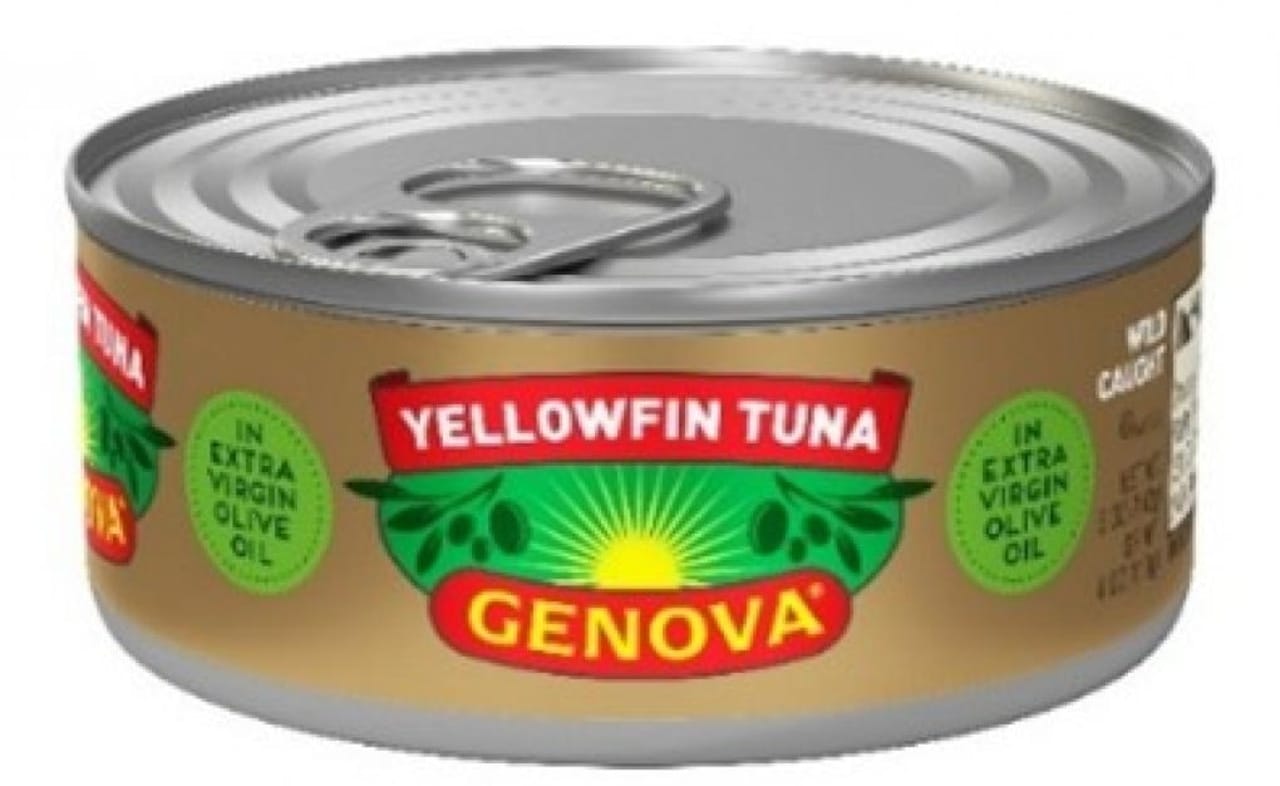
FDA Confirms Canned Tuna Recall Across Nine States Due to Contamination Risk
WASHINGTON D.C. — The U.S. Food and Drug Administration (FDA) has confirmed a multi-state recall of canned tuna products following concerns over potential contamination. The recall, voluntarily initiated by Tri-Union Seafoods in February, impacts products distributed to stores across nine different states, prompting federal authorities to issue an urgent public health alert.
While the specific nature of the contamination has not been fully disclosed by the agency, federal regulators are advising consumers who have purchased canned tuna in these nine states to immediately check their pantries and discard any potentially affected products. The FDA’s involvement signals a potentially serious health risk associated with the products, warranting a swift consumer response to prevent illness.
The Scope of the Recall and Regulatory Action
The recall — classified as voluntary by the manufacturer but monitored by the FDA — highlights a critical failure in the manufacturing or distribution process that led to potentially contaminated goods reaching consumers. The FDA defines such recalls as a necessary measure to protect public health when a product poses a risk of illness or injury.
In cases involving potential contamination, particularly in canned goods, regulatory bodies prioritize rapid communication and removal of products from the market to mitigate widespread illness. The FDA’s role involves ensuring that the company takes appropriate steps to notify the public and remove all affected units from distribution and retail shelves. Consumers in the impacted states are specifically advised to verify product codes and purchase locations to determine if their cans are part of the recalled lot.
Understanding the Risks Associated with Canned Food Contamination
Canned goods, including tuna, are typically considered shelf-stable and safe due to the commercial sterilization process they undergo. However, when this process fails, either due to faulty equipment, improper sealing, or a breach in the canning integrity, a high risk of contamination — particularly from bacterial pathogens — emerges.
One of the most significant risks associated with improperly processed canned foods is contamination by Clostridium botulinum, the bacteria responsible for botulism. Botulism is a severe form of food poisoning that attacks the nervous system and can be fatal if not treated promptly. The anaerobic environment inside a sealed can provides ideal conditions for this bacterium to thrive if sterilization is incomplete.
While the FDA alert did not specify botulism in this instance, the agency’s urgent communication about contamination in canned goods always raises concern about this particular risk. Symptoms of botulism include muscle weakness, double vision, difficulty speaking or swallowing, and paralysis. Because of the severity of potential contamination, the FDA’s advice to discard products immediately is a crucial precaution.
Consumer Guidance and Safety Protocols
For consumers in the nine affected states, the immediate action is to locate the product and verify if it matches the recalled specifications. This information is typically provided by the manufacturer in a formal press release or through the FDA’s public database. Identifying features usually include specific universal product codes (UPCs), lot numbers, or expiration dates printed on the can itself.
If a product is found to be part of the recall, the FDA guidance is definitive: do not eat the product. Even if the can appears normal and there are no visible signs of spoilage (like bulging or foul odor), the contamination risk remains high. The recommended action is to return the product to the place of purchase for a full refund or to safely dispose of it, following local guidelines for waste disposal.
Furthermore, consumers are advised to clean and sanitize any surfaces that came into contact with the affected products. This includes countertops, cutting boards, and any kitchen utensils used to open or handle the cans. While cross-contamination from an unopened can is low, standard food safety procedures dictate thorough cleaning to prevent the spread of potential pathogens.
This incident also underscores the importance of proper handling of all canned goods in the pantry. Consumers should always inspect cans for signs of damage before purchasing, including dents, leaks, or rust, which can compromise the seal and allow bacteria to enter.
The Regulatory Framework and Supply Chain Challenges
Food recalls are a complex process involving multiple steps and actors in the supply chain. Once a potential contamination issue is identified — often through internal testing, consumer complaints, or inspection findings — the manufacturer must immediately notify the FDA.
The FDA classifies recalls into three levels based on severity: Class I (most severe, where there is a reasonable probability that a product will cause serious adverse health consequences or death), Class II (where a product may cause temporary or reversible health consequences), and Class III (least severe, where a product is not likely to cause adverse health consequences). Given the urgency of the communication for potential contamination in canned goods, this incident likely falls into a high-risk category.
The distribution network for food products in the United States — involving processors, wholesalers, retailers, and final consumers — makes tracing and removing products difficult. A recall in one state can easily spill into neighboring states or across major distribution hubs. In this case, Tri-Union Seafoods must coordinate with retailers in all nine affected states to ensure all units are quickly pulled from store shelves and returned to the manufacturer.
The economic impact of a major recall on a company like Tri-Union Seafoods can be substantial, encompassing not only the direct costs of processing returns and providing refunds but also significant reputational damage. Public confidence in food safety is fragile, and contamination incidents often lead to a temporary decline in sales for the affected brand and sometimes the entire product category.
Lessons from Past Incidents and Consumer Vigilance
While specific details for the Tri-Union Seafoods recall are limited, this event serves as a stark reminder of the importance of robust food safety protocols in the manufacturing industry. The history of canned food production is punctuated by occasional large-scale contamination events, such as historical botulism outbreaks linked to improperly sterilized canned vegetables or fish, which led to significant advancements in commercial canning standards and regulatory oversight.
The FDA’s current alert emphasizes that consumer vigilance remains a vital part of the food safety ecosystem. While manufacturers and regulators work to ensure product integrity, the final check — inspecting products for damage before purchase and verifying recall notices against pantry items — rests with the consumer. This multi-state tuna recall reinforces the need for all parties to be constantly aware of the risks and preventative measures involved in the global food supply chain.
Photo by AhmadArdity on Pixabay.