CONTEXTUAL ANALYSIS: Imminent Winter Threat Grips New Jersey
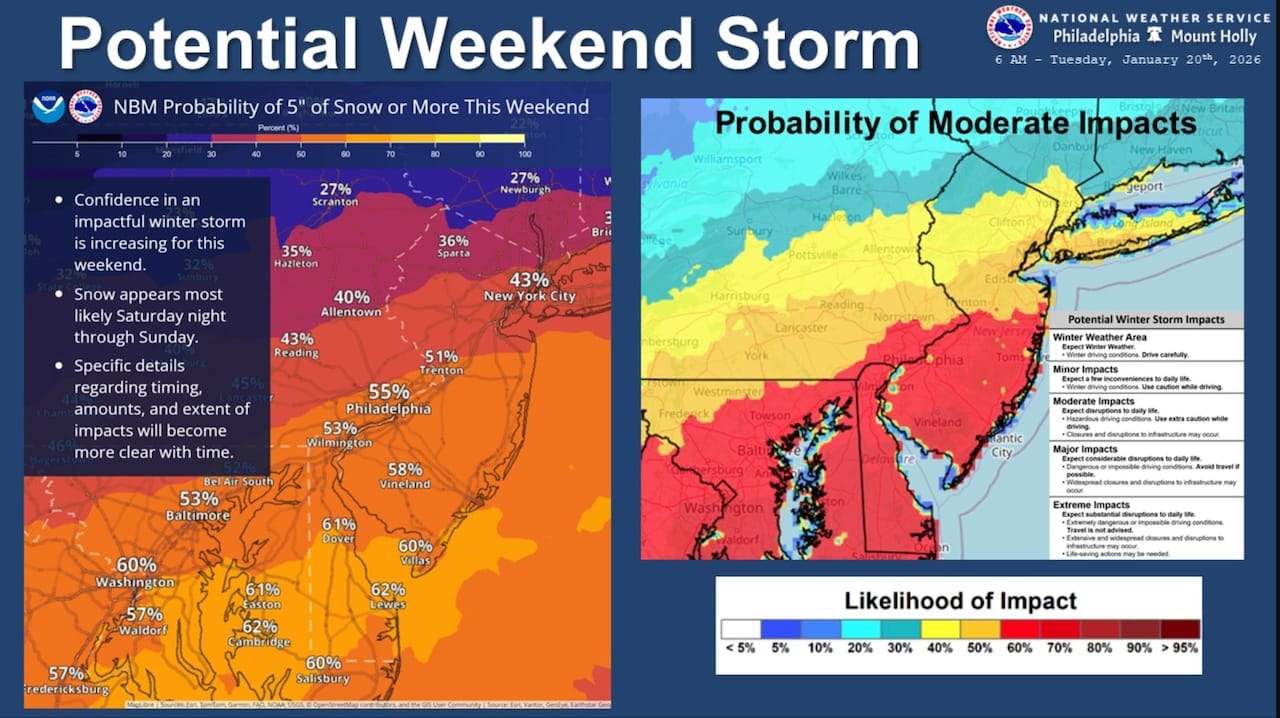
New Jersey is currently bracing for a significant shift in its winter weather, with forecasters indicating an increased probability of a substantial snowstorm impacting the region this upcoming weekend. While precise snowfall totals remain uncertain, the National Weather Service (NWS) has raised concerns, advising residents and businesses to prepare for potentially disruptive conditions.
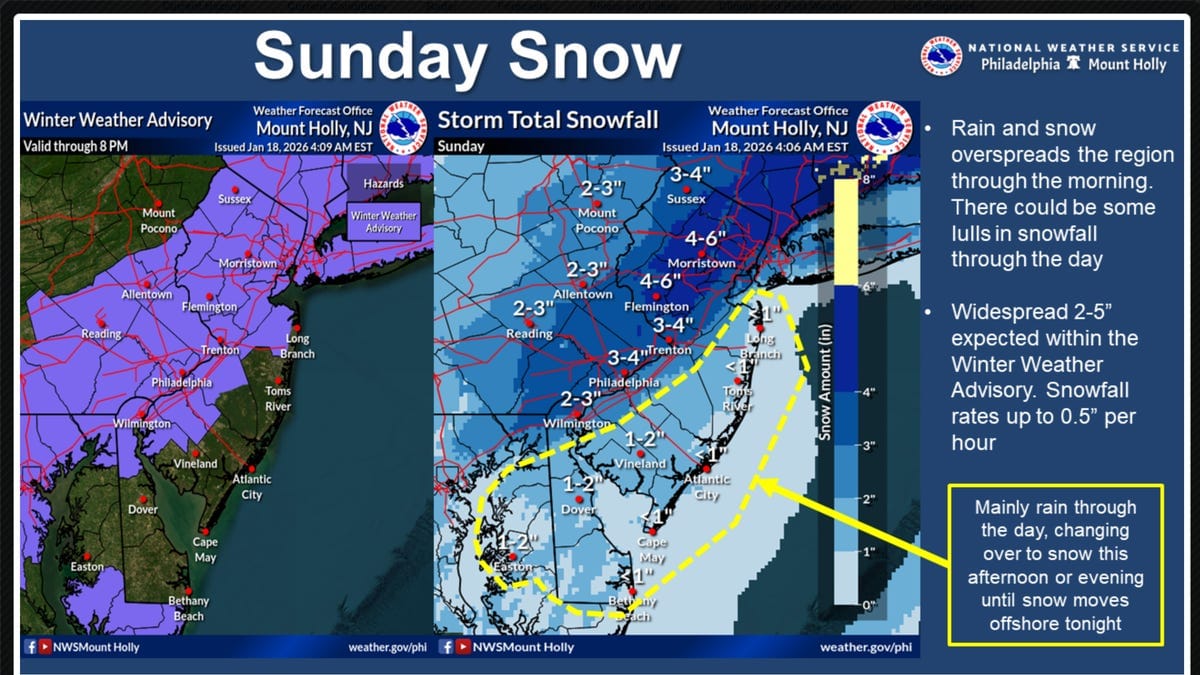
Adding to the developing storm threat, parts of the Jersey Shore are already experiencing a mix of rain and snow on the morning of January 18th, conditions that are projected to persist throughout the day. Simultaneously, a bitter cold snap has descended upon the state, with morning temperatures plummeting into the single digits and teens across various areas. Wind chill factors are creating ‘feel like’ temperatures near zero, posing immediate dangers of frostbite and hypothermia to anyone exposed to the elements.
Why This Matters: Economic, Social, and Infrastructural Implications
Disruptions to Commerce and Transportation
A significant snowstorm in a densely populated and economically vital state like New Jersey carries far-reaching consequences. Businesses, from small local enterprises to large corporations with regional distribution networks, face potential operational challenges. Supply chains can be severely disrupted, affecting the timely delivery of goods and services. Retail activity often slows dramatically, impacting revenue for brick-and-mortar stores as consumers limit travel.
Transportation infrastructure is particularly vulnerable. Roadways can become treacherous, leading to travel delays, accidents, and increased demand for emergency services. Public transit systems may experience cancellations or significant delays, complicating commutes for essential workers. Airports, including major hubs that serve the broader Northeast corridor, could face extensive flight cancellations and delays, causing ripple effects across national and international travel networks.
Public Safety and Health Concerns
The combination of heavy snow and dangerously cold temperatures creates a critical public safety situation. The immediate threat of frostbite and hypothermia is paramount, especially for vulnerable populations such as the elderly, homeless individuals, and those without adequate heating. Local authorities often establish warming centers to provide refuge, but access can be hampered by severe weather.
Furthermore, widespread power outages are a significant concern during such events. Heavy, wet snow can weigh down power lines, and strong winds can exacerbate the issue, leading to downed lines and extended periods without electricity. For homes relying on electric heat, this poses a direct threat to life and well-being. Carbon monoxide poisoning becomes a risk as residents resort to unsafe alternative heating methods.
Strain on Municipal Services and Infrastructure
Municipalities and state agencies face immense pressure during severe winter storms. Snow removal operations require extensive resources, including plows, salt, and personnel, incurring significant costs. Emergency responders, including police, fire, and ambulance services, see increased demand for their services while simultaneously navigating challenging road conditions.
Beyond immediate response, the long-term impact on infrastructure can be considerable. Freezing and thawing cycles can damage roads and bridges, leading to increased maintenance costs. Water pipes are susceptible to freezing and bursting, causing property damage and disrupting essential services. The cumulative effect of multiple severe weather events can strain public budgets and infrastructure resilience over time.
Broader Trends: Understanding Winter Weather Dynamics
The Science of Northeastern Winter Storms
Winter storms in the Northeastern United States, often referred to as Nor’easters, are complex meteorological phenomena driven by the interaction of cold arctic air and moist air from the Atlantic Ocean. These storms typically form along the East Coast, drawing moisture from the relatively warm ocean waters and intensifying as they move northward. Their trajectory and intensity dictate whether a region experiences heavy snow, sleet, freezing rain, or a mix of precipitation types.
The current forecast highlights the challenges of predicting exact snowfall totals. Even slight shifts in a storm’s track can mean the difference between several inches of snow and over a foot, or between snow and rain. Factors such as atmospheric temperature profiles at various altitudes, the exact pressure gradient, and the presence of cold air damming play crucial roles in determining precipitation type and accumulation.
The Peril of Wind Chill
The concept of wind chill is crucial for understanding the current bitter cold. Wind chill is not a direct temperature but rather a measure of how quickly exposed skin loses heat due to the combined effect of cold air and wind. The NWS calculates wind chill based on a formula that factors in air temperature and wind speed. When wind chill values approach or fall below zero, as is currently the case, the risk of frostbite can occur in a matter of minutes, underscoring the severity of the present conditions.
This phenomenon significantly exacerbates the dangers of cold weather, making outdoor activity hazardous and increasing the importance of protective clothing and limiting exposure. It also places additional strain on heating systems and energy grids as homes and businesses work to counteract the intensified cold.
Climate Variability and Extreme Weather
The occurrence of significant winter storms and extreme cold snaps, even in a generally warming climate, fits within broader trends of increased climate variability. While long-term trends indicate rising global temperatures, regional weather patterns can exhibit greater extremes. This can manifest as less frequent but more intense snowfall events, or swings between unseasonably mild periods and sudden, severe cold outbreaks, often influenced by phenomena like the polar vortex or specific oscillations in atmospheric pressure.
Forecasting agencies are continuously refining their models to better predict these complex interactions. However, the inherent variability of winter weather patterns means that even with advanced technology, a degree of uncertainty will always remain, emphasizing the importance of ongoing monitoring and dynamic response strategies.
The Importance of Preparedness
Against this backdrop of unpredictable and potentially severe winter weather, the emphasis on preparedness becomes paramount for both individuals and communities. Governments, emergency management agencies, and public health organizations regularly issue guidance for winter storm readiness. This includes assembling emergency kits with food, water, blankets, and essential medications; securing homes; ensuring vehicles are winter-ready; and having communication plans in place in case of power outages.
For businesses, contingency planning for staff absences, supply chain disruptions, and potential property damage is crucial. The economic resilience of a region often hinges on the collective preparedness of its residents and commercial entities to navigate and recover from such events.
Looking Ahead: Vigilance Amidst Uncertainty
As the weekend approaches, the focus remains firmly on the evolving forecast for New Jersey. While the threat of a substantial snowstorm has intensified, the precise details, particularly regarding snowfall totals and the storm’s exact trajectory, are still being refined by meteorologists. This uncertainty underscores the need for continuous vigilance and adaptation.
Residents and businesses are strongly advised to monitor updates from the National Weather Service and local authorities. Preparing for potential impacts now – securing supplies, adjusting travel plans, and ensuring personal safety – will be critical in mitigating the challenges posed by this developing winter weather event. The coming days will test the resilience and preparedness of New Jersey as it navigates this significant winter threat.