
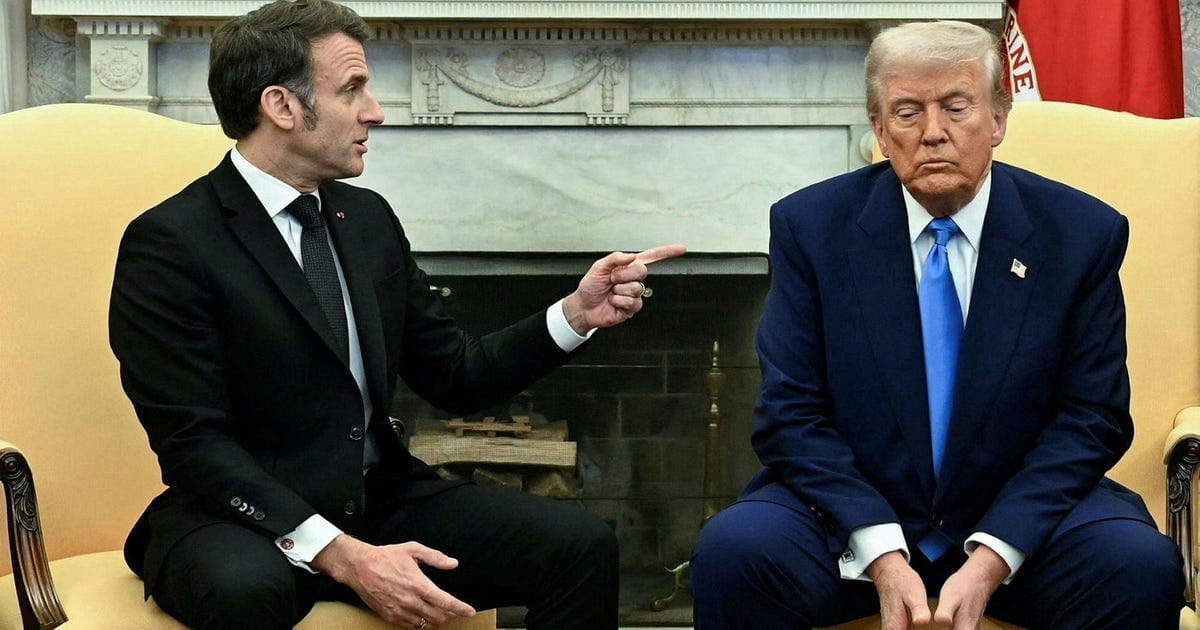
The annual meeting of the World Economic Forum (WEF) in Davos, Switzerland, opened Monday evening amidst a backdrop of concerns over former U.S. President Donald Trump’s proposed initiatives, including a controversial “Board of Peace” aimed at addressing the conflict in Gaza.
Trump’s ambitious plan reportedly involves charging a significant sum, speculated to be as high as $1 billion, for a permanent seat on this proposed body. This proposal has sent ripples of apprehension through various European states, although many have opted for a cautious approach, refraining from direct public criticism.
Trump’s ‘Board of Peace’ Initiative
Details of the Proposed Body
While details remain somewhat scarce and are largely based on reports and speculation, the core of Trump’s proposal centers on establishing a new international entity tasked with mediating and potentially resolving the long-standing Israeli-Palestinian conflict, specifically focusing on the Gaza Strip.
The reported intention to charge a substantial fee for permanent membership on this “Board of Peace” has raised eyebrows among international observers and policymakers. This commercial approach to diplomatic peacemaking is unprecedented and has led to questions about the board’s objectives and potential efficacy.
European Apprehension and Restraint
Underlying Concerns
European nations, closely watching developments in the Middle East, are reportedly uneasy about Trump’s unilateral approach and the potential implications of his “Board of Peace.” Concerns likely stem from a variety of factors, including the bypassing of existing diplomatic frameworks and the potential for a new body to complicate rather than resolve the situation.
The sheer cost associated with permanent membership, as well as the underlying principles of such a commercialized peace initiative, are significant departures from traditional diplomatic negotiations. European capitals are weighing the potential risks and benefits, with a palpable sense of unease circulating among diplomats.
Reasons for Muted Criticism
Despite the apprehension, most European states have refrained from issuing direct public condemnations of Trump’s proposal. This reticence can be attributed to several strategic considerations. The former president retains significant influence within the Republican Party and among a considerable segment of the American electorate.
Furthermore, many European leaders likely recognize the complexities of engaging directly with Trump on such sensitive matters, especially without full clarity on the proposal’s mechanics. A direct confrontation could be perceived as unproductive or even counterproductive, potentially alienating a key global player or prematurely undermining a nascent, albeit unconventional, peace effort.
Context: The World Economic Forum in Davos
A Platform for Global Discourse
The opening of the WEF annual meeting in Davos traditionally serves as a significant global gathering for leaders from politics, business, and civil society. It is a forum where major international issues are discussed and debated, often setting the tone for global discourse throughout the year.
The timing of Trump’s proposal and the ensuing European reactions cast a notable shadow over the proceedings. The forum provides a backdrop against which such unconventional diplomatic proposals can be scrutinized and discussed, even if indirectly, among attendees.
Trump’s Broader Diplomatic Stance
This “Board of Peace” proposal is consistent with Trump’s broader “America First” foreign policy approach, which often favored bilateral deals and questioned established international institutions. His presidency was marked by a transactional view of international relations, where economic benefits and direct negotiations often took precedence.
His past actions, such as withdrawing the U.S. from the Iran nuclear deal and the Paris Agreement on climate change, or challenging NATO’s funding structure, highlight a willingness to disrupt traditional diplomatic norms. The “Board of Peace” for Gaza appears to be another manifestation of this disruptive, unconventional style of diplomacy.
The Gaza Conflict: A Persistent Challenge
Historical Background
The Israeli-Palestinian conflict, particularly concerning the Gaza Strip, is one of the most enduring and complex geopolitical challenges of our time. Gaza, a densely populated Palestinian territory, has been under blockade for years, leading to severe humanitarian concerns and persistent instability.
Numerous international and regional efforts have been made over decades to broker peace, with limited lasting success. The involvement of external actors, often with competing interests, has further complicated the path to a sustainable resolution.
Implications for Regional Stability
Any new initiative, especially one as unconventional as Trump’s “Board of Peace,” carries significant implications for regional stability. The success or failure of such a plan could either de-escalate tensions or inadvertently exacerbate them, impacting not only Israelis and Palestinians but also neighboring countries and global security.
The international community’s response, or lack thereof, to Trump’s proposal will be closely watched. The interplay between traditional diplomacy and these new, commercially-driven approaches to peacemaking presents a critical juncture for understanding future international relations and conflict resolution strategies.
Future Outlook and Analysis
Uncertainty and Potential Impact
The ultimate feasibility and impact of Trump’s “Board of Peace” remain highly uncertain. The proposal’s reliance on significant financial investment for membership and its departure from established diplomatic norms raise fundamental questions about its viability and legitimacy on the international stage.
As leaders convene in Davos, the discussions, both formal and informal, will likely grapple with the evolving landscape of international diplomacy, where unconventional ideas and figures like Donald Trump continue to challenge established paradigms. The world watches to see how these tensions between tradition and disruption will shape future peacemaking efforts.

Photo by geralt on Pixabay.