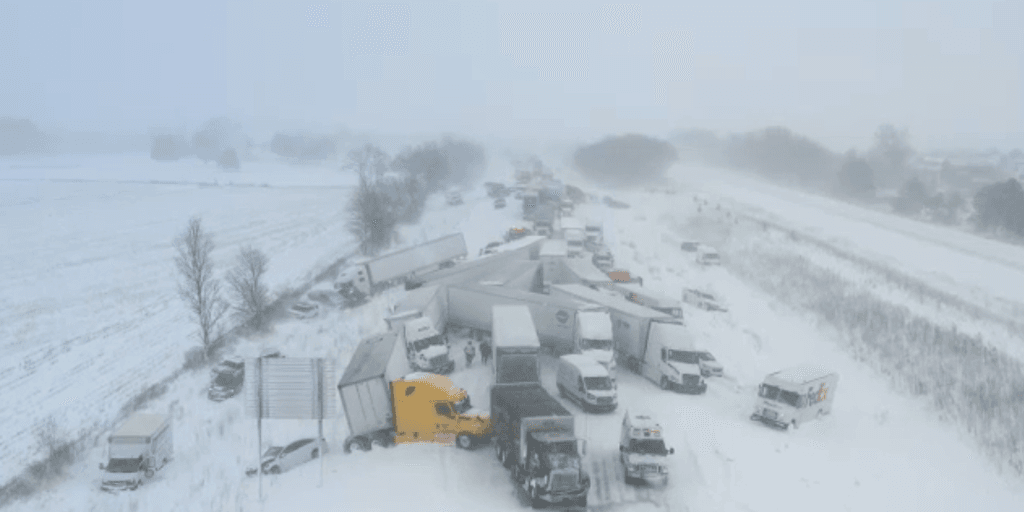
Michigan Highway Closes After Massive Snowy Pileup
Interstate 196 in Hudsonville, Michigan, was shut down in both directions following a significant multi-vehicle crash. The incident, involving approximately 100 vehicles, occurred amidst dangerous conditions characterized by heavy lake-effect snow.
Emergency services responded to the scene, with reports confirming that injuries have occurred. The severity of these injuries and the exact number of individuals affected are still being assessed as the situation develops.
Contextual Analysis: The Perils of Winter Driving
The Immediate Impact on I-196
The closure of I-196, a vital artery in Western Michigan, has caused significant disruption to traffic. Motorists attempting to use the route were met with an impassable scene, forcing detours and creating substantial delays.
The sheer scale of the pileup, involving close to 100 vehicles, underscores the chaotic and hazardous nature of the weather event. The accumulation of snow and icy conditions created a treacherous environment for drivers, leading to a cascade of collisions.
Why This Matters: A Stark Reminder of Weather Hazards
This incident serves as a potent reminder of the unpredictable and often dangerous impact severe weather can have on transportation infrastructure. Winter storms, particularly lake-effect snow events common in the Great Lakes region, can rapidly degrade driving conditions to a point of extreme peril.
The economic implications of such closures are also considerable. Road blockages of this magnitude disrupt supply chains, delay commuters, and can result in significant costs associated with emergency response, cleanup, and vehicle recovery. The impact extends beyond the immediate scene to affect businesses and individuals relying on timely transit.
Broader Trends: Climate, Infrastructure, and Safety
Incidents like the I-196 pileup can be viewed through the lens of broader trends related to climate and infrastructure resilience. While weather events are natural phenomena, their intensity and frequency are increasingly being linked to climate change, leading to more extreme conditions.
This necessitates ongoing evaluation of road maintenance strategies, driver education programs, and infrastructure design. Ensuring that roadways are adequately prepared for severe weather, and that drivers have the knowledge and caution required to navigate them safely, remains a critical public safety concern.
The reliance on critical transportation corridors like I-196 also highlights the vulnerability of modern logistics to disruptions. A single major incident can have ripple effects across regional economies, underscoring the need for robust contingency planning and alternative transportation solutions.
Looking Ahead: Winter Preparedness and Future Outlook
As winter weather continues to be a factor across much of the United States, this event serves as a cautionary tale. Authorities will be assessing the response and recovery efforts, likely reinforcing the importance of heeding weather advisories and adjusting travel plans when conditions deteriorate.
For drivers, the takeaway is clear: extreme caution is paramount during snowy and icy conditions. Slowing down, increasing following distances, and ensuring vehicles are properly equipped for winter travel are not mere suggestions but essential safety measures.
The long-term outlook involves continued efforts to enhance road safety during winter months. This includes investments in improved snow removal equipment, advanced weather forecasting for real-time road condition monitoring, and public awareness campaigns emphasizing safe winter driving practices.