Aurora Alert: Celestial Spectacle on the Horizon
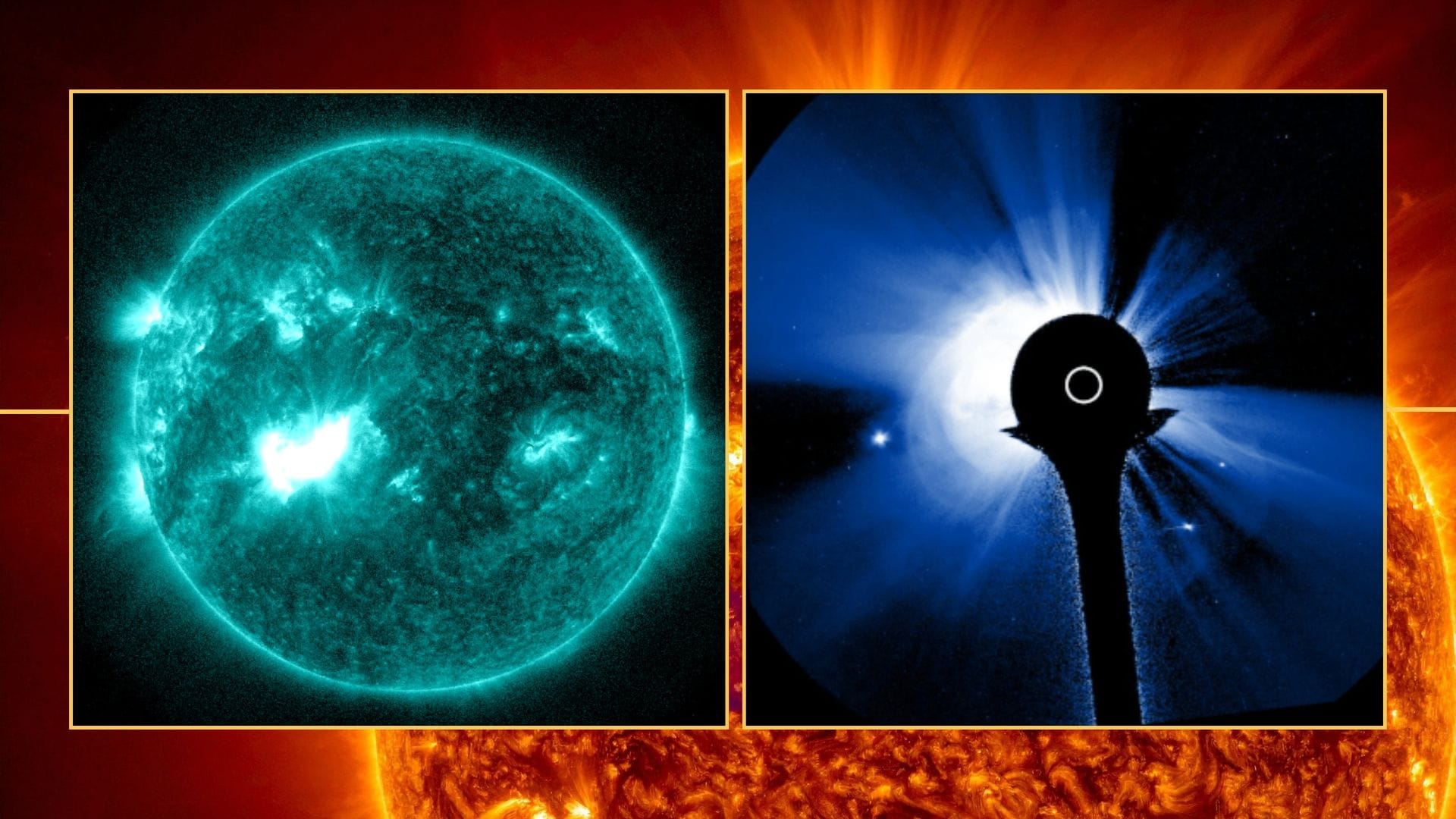
The cosmos is putting on a show. A powerful X-class solar flare erupted from the Sun recently, unleashing a colossal coronal mass ejection (CME) that is now hurtling towards Earth. This intense solar activity has experts predicting a potential impact within the next 24 hours, igniting hopes for a dazzling display of the northern lights across a wide swathe of the northern United States.
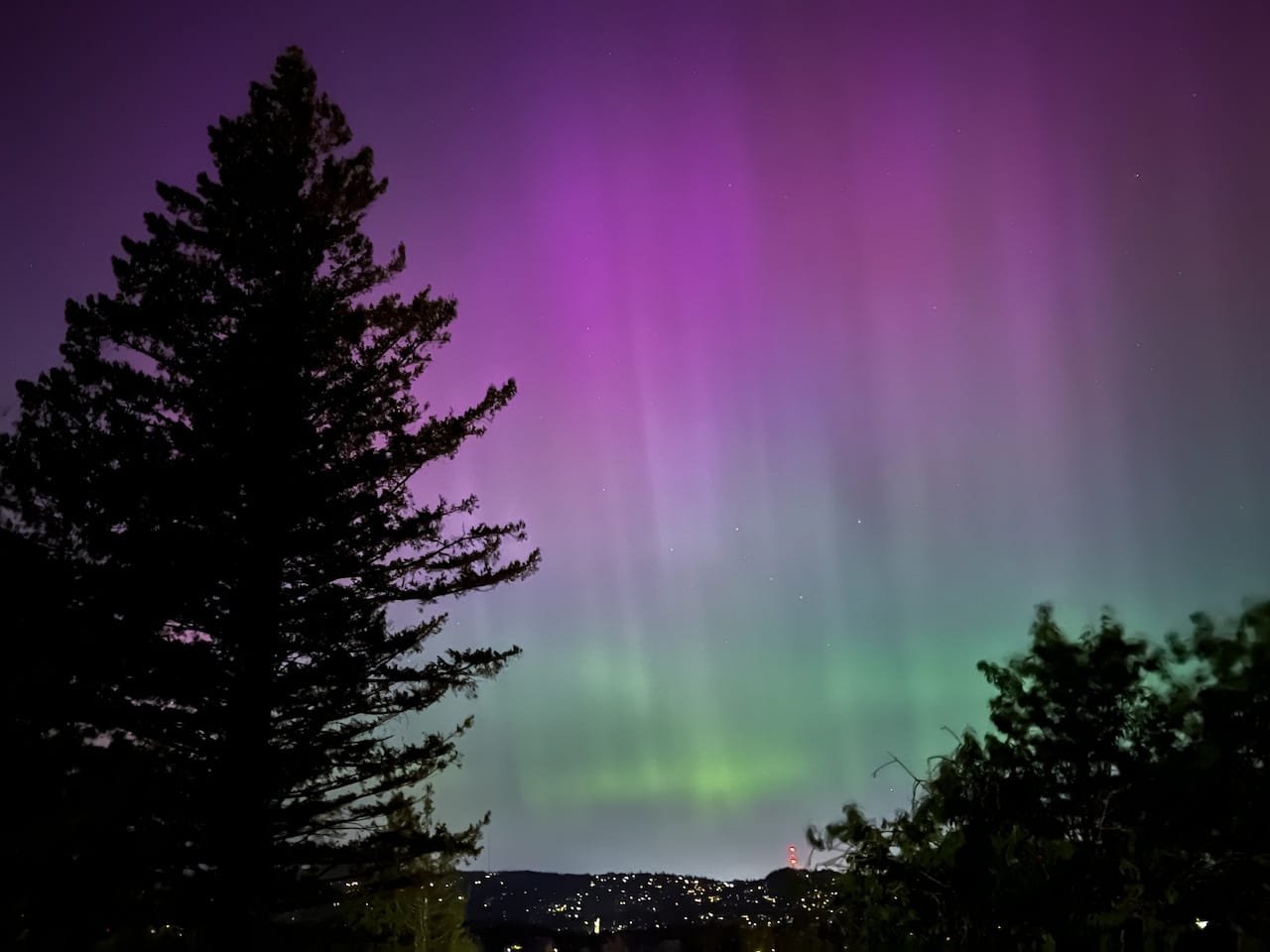
This celestial event promises a breathtaking visual spectacle, a reminder of the dynamic and often unseen forces shaping our solar system. The aurora borealis, typically confined to polar regions, may soon grace skies much further south, offering a rare opportunity for many to witness its ethereal dance.
The Sun’s Fury and Earth’s Embrace
The sun, our star, is a constant source of energy, but it also experiences periods of intense activity. An X-class flare, the most powerful category, signifies a significant release of energy. When such a flare is accompanied by a massive CME – a vast cloud of charged particles and magnetic field – the potential for its effects to reach Earth increases dramatically.
Scientists at the National Oceanic and Atmospheric Administration (NOAA) are closely monitoring the situation. The forecast suggests that the CME, propelled by the recent solar eruption, is on a direct course for our planet. Its arrival could trigger a geomagnetic storm, a phenomenon that excites the Earth’s upper atmosphere and generates the mesmerizing auroras.
Where to Gaze Skyward
While the exact timing and intensity of the aurora remain subject to the CME’s interaction with Earth’s magnetic field, preliminary forecasts indicate that areas in the northern half of the continental U.S. could be prime viewing locations. This includes states known for their clear night skies and proximity to higher latitudes.
Specific regions, particularly those in the northern tier of states, are being highlighted as potential hotspots for aurora sightings. Even states further south than usual might experience this cosmic light show if the geomagnetic storm proves to be particularly potent. For instance, residents in parts of Oregon have been alerted to the possibility of viewing the northern lights as early as Monday night.
Solar Cycles and Auroral Displays
The current solar cycle, known as Solar Cycle 25, is expected to be on its downswing. However, this does not preclude significant solar events. The strong solar flare observed on Sunday serves as a potent reminder that even as activity wanes, the Sun can still unleash powerful outbursts.
This particular flare was so powerful that it caused disruptions to shortwave radio communications, underscoring the immense energy involved. Such events are not only awe-inspiring but also highlight the interconnectedness of space weather and our technology-dependent lives on Earth.
The Science Behind the Shimmer
The northern lights, or aurora borealis, are a natural light display in Earth’s sky, predominantly seen in high-latitude regions. They are caused by disturbances in the magnetosphere caused by solar wind that then affects the upper atmosphere (thermosphere) and excites various atomic and molecular species in the atmosphere into emitting light.
When charged particles from the Sun, accelerated by the CME, collide with gases in Earth’s upper atmosphere – primarily oxygen and nitrogen – they transfer energy. This energy causes the atoms and molecules to become excited, and as they return to their normal state, they release photons of light. The color of the aurora depends on the type of gas molecule and the altitude at which the collision occurs.
“It’s moments like these that connect us to the vastness of the universe,” says Dr. Evelyn Reed, a heliophysicist. “While we can predict these events to some extent, there’s always an element of wonder. To see these lights, born from the Sun’s immense power, dance across our skies is a profound experience.”
Preparing for the Celestial Show
For those hoping to catch a glimpse of the aurora, preparation is key. Checking local weather forecasts for clear skies and finding locations away from city lights will significantly increase the chances of a good viewing experience. Astronomy and weather websites, along with social media, will likely be buzzing with real-time updates and aurora forecasts.
The potential for widespread aurora visibility serves as a compelling reason to look up. It’s a chance to witness a fundamental process of our solar system playing out in a visually stunning manner, reminding us of our place in the cosmos and the dynamic forces at play far beyond our atmosphere.
As the CME continues its journey, scientists will refine their predictions, offering more specific guidance on viewing opportunities. Until then, the anticipation builds for what could be a truly memorable celestial event, a vibrant and electrifying display painted across the night sky.