CONTEXTUAL ANALYSIS
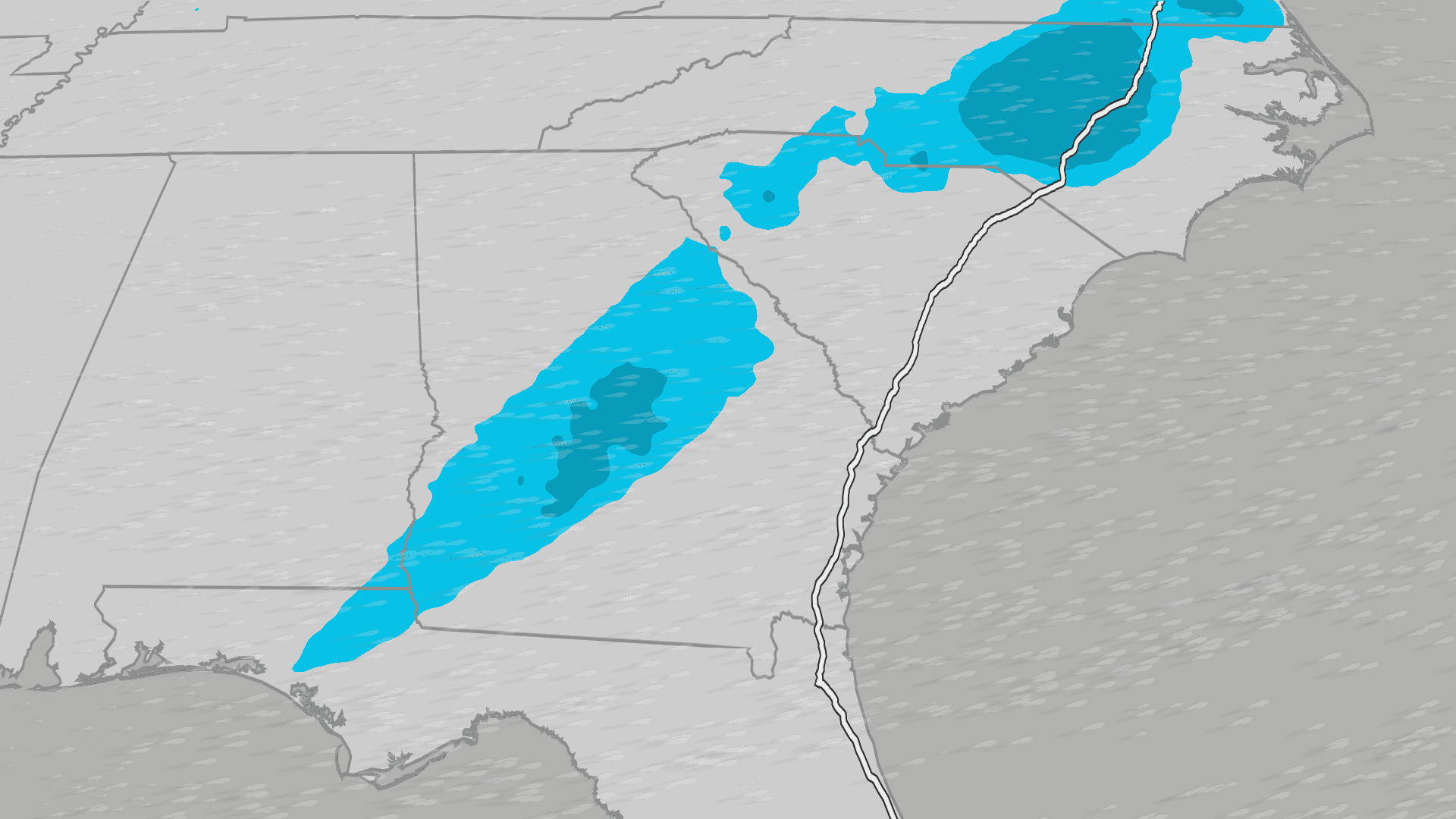
Parts of Florida received a rare dusting of snow on Sunday, an unusual weather event for the Sunshine State. This marks the second consecutive year that sections of Florida have experienced snowfall, accompanied by lingering freezing temperatures.
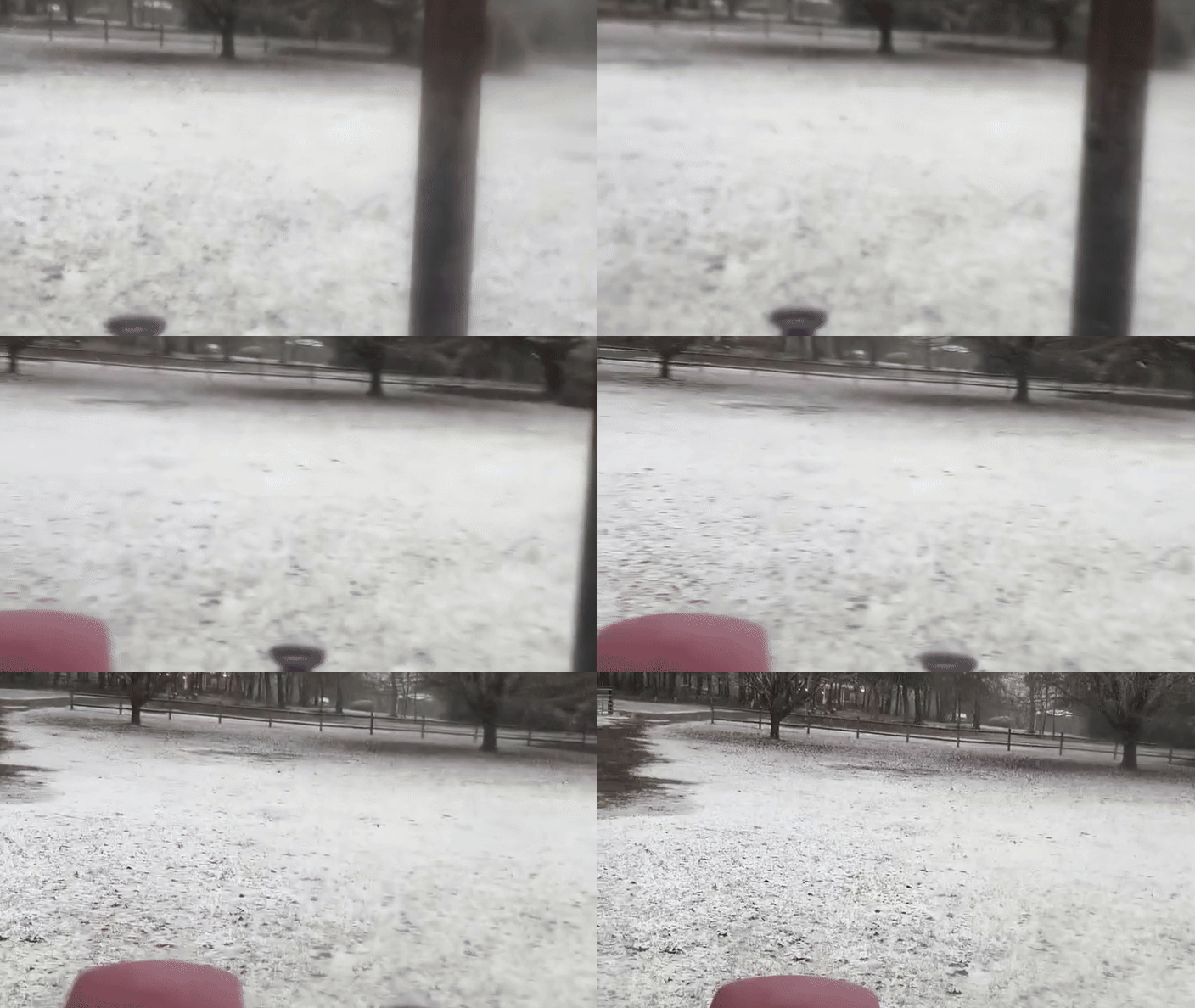
The winter phenomenon was observed in areas such as near Bonifay, Florida, where snow blanketed gardens and yards. The event prompted Winter Weather Advisories to be issued for Northern Florida, indicating the unusual severity of the cold air mass affecting the region.
This occurrence is part of a broader pattern of winter weather impacting the Southeast, with advisories also extending to Georgia and Alabama. The snowfall, though described as a ‘short-lived’ event, brought a unique visual experience to a region typically known for its warm climate.
Why This Matters
The recurrence of snowfall in Florida, even if limited, highlights the increasing unpredictability of weather patterns. Such events, while novel for residents, can also pose challenges for local infrastructure and agriculture, which are not typically prepared for freezing conditions.
For a state whose economy heavily relies on tourism and outdoor activities, unexpected severe weather can have ripple effects. The novelty of snow in Florida can draw attention and potentially impact visitor numbers, either positively due to unique experiences or negatively if travel is disrupted.
Furthermore, these rare occurrences serve as tangible, albeit localized, indicators of broader climatic shifts. While a single snow event doesn’t confirm global trends, its repetition in typically warm regions invites scientific scrutiny and public discussion about climate variability and its local manifestations.
Connecting to Broader Trends
The unusual snowfall in Florida can be viewed within the context of changing global weather patterns. While localized cold snaps and snow are natural phenomena, the frequency and intensity of extreme weather events, both hot and cold, have been subjects of increasing scientific study.
Scientists often link such extremes to the broader impacts of climate change. Changes in atmospheric circulation patterns, potentially influenced by warming global temperatures, can lead to more severe or persistent cold air outbreaks in certain regions, even as overall global temperatures rise.
The fact that this is the second year in a row for snow in parts of Florida is noteworthy. This repetition moves it beyond a mere anomaly and into a pattern that warrants closer observation. It prompts questions about whether such events will become more common in the future for regions not accustomed to them.
Looking Ahead
As freezing temperatures are expected to linger, residents and authorities in affected areas will be monitoring the situation. The immediate focus will be on ensuring safety and managing any disruption caused by the unseasonable cold and snow.
Longer term, the repetition of these rare snow events in Florida may fuel further discussion and research into their causes and potential implications for the region’s climate. Understanding these patterns is crucial for adaptation strategies in a state increasingly susceptible to weather extremes.
The Sunshine State experiencing snow, even briefly, serves as a compelling reminder of nature’s capacity for surprise and the dynamic nature of our planet’s climate systems. The data from these unusual events contributes to a growing body of evidence on climatic shifts.