Avatar: Fire And Ash Leads MLK Weekend Box Office
LOS ANGELES – James Cameron’s latest cinematic endeavor, ‘Avatar: Fire And Ash,’ has claimed the top spot at the Martin Luther King Jr. holiday weekend box office, securing an impressive $17.6 million over the four-day period. This strong performance, marking its fifth weekend in theaters, saw the 20th Century Studios release significantly outpace other contenders, including Sony’s highly anticipated horror sequel, ’28 Years Later: The Bone Temple.’
The success of ‘Avatar: Fire And Ash’ underscores the enduring appeal of the Na’Vi saga, continuing the franchise’s tradition of robust theatrical runs. The film’s consistent draw demonstrates the power of established cinematic universes and the audience’s appetite for immersive science fiction experiences, particularly during extended holiday weekends.
Hollywood’s Bad Boy Returns: Jack O’Connell in ‘The Bone Temple’
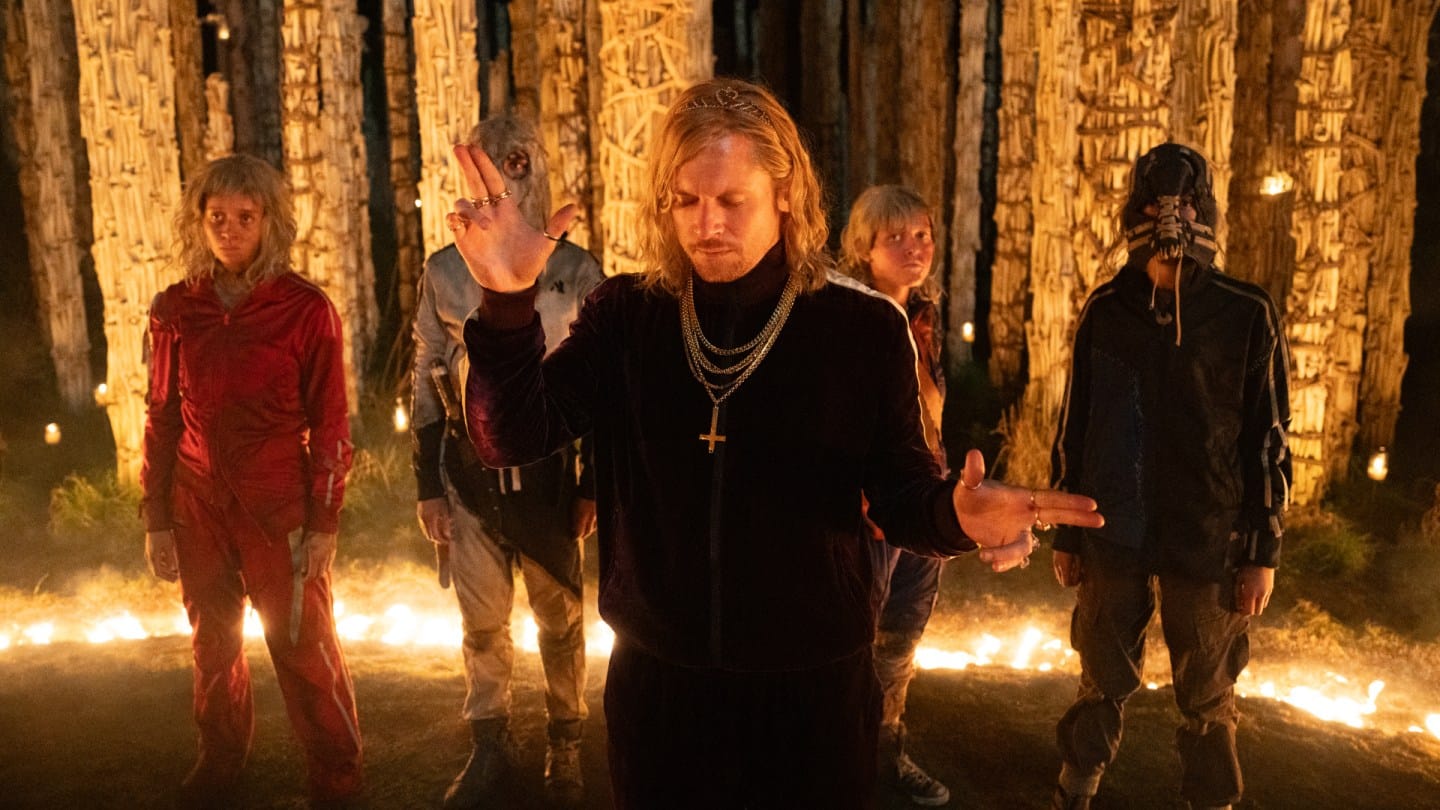
Amidst the box office dominance of ‘Avatar,’ attention also turns to ’28 Years Later: The Bone Temple,’ a film that features actor Jack O’Connell. Known for his intense and often antagonistic roles, O’Connell takes on the character of Sir Jimmy Crystal, described as a ‘blinged-out satanist’ in Nia DaCosta’s sequel. This role aligns with O’Connell’s established reputation as ‘Hollywood’s Favorite Bad Guy,’ a moniker earned through a series of gritty and compelling performances.
While specific box office figures for ‘The Bone Temple’ were not immediately available beyond its non-number one status, the film’s presence on a holiday weekend slate highlights the competitive nature of the film industry. The horror genre, particularly a continuation of a well-regarded series like ’28 Days Later’ and ’28 Weeks Later,’ typically garners a dedicated audience. Its positioning against a titan like ‘Avatar’ indicates a strategic release to capture a distinct market segment.
The Enduring Appeal of the ‘Avatar’ Franchise
The ‘Avatar’ franchise, spearheaded by visionary director James Cameron, has consistently pushed the boundaries of cinematic technology and storytelling. From its groundbreaking debut in 2009, the series has captivated global audiences with its visually stunning depiction of the alien moon Pandora and its indigenous Na’Vi inhabitants. Cameron’s commitment to innovation has resulted in films that are not just entertainment but significant technological milestones in cinema.
The consistent high performance of ‘Avatar’ sequels in their later weekends is a testament to strong word-of-mouth and repeat viewings, indicative of a film that resonates deeply with its audience. The franchise’s themes of environmentalism, colonialism, and identity continue to find relevance, contributing to its broad appeal across diverse demographics. The ‘Fire And Ash’ installment, in its fifth weekend, shows remarkable ‘legs’ at the box office, a crucial indicator of a film’s long-term commercial viability and cultural impact.
Cameron’s meticulous approach to world-building and narrative development ensures that each ‘Avatar’ film is a significant event. The franchise has redefined what audiences expect from a blockbuster, blending cutting-edge visual effects with emotional depth and compelling action sequences. This formula has consistently translated into massive financial success and a lasting legacy within popular culture, solidifying ‘Avatar’ as a benchmark for epic science fiction.
’28 Years Later’: A Legacy in Horror
The ’28 Days Later’ series revolutionized the zombie and infected horror subgenre with its raw, intense portrayal of a post-apocalyptic world. Directed by Danny Boyle, the original film (2002) and its sequel, ’28 Weeks Later’ (2007), were praised for their visceral action, psychological depth, and unsettling atmosphere. These films introduced audiences to ‘the Infected,’ rapidly moving and intensely aggressive humanoids driven by a rage-inducing virus, departing from the traditional slow-moving zombies.
The return to this universe with ’28 Years Later: The Bone Temple,’ after a significant hiatus, sparks considerable interest among horror aficionados. The decision to bring back this iconic series suggests a renewed confidence in its storytelling potential and its ability to connect with contemporary audiences. The long gap between installments often builds anticipation, as fans eagerly await new narratives within beloved universes.
The choice of Nia DaCosta to direct a significant installment in this franchise is notable. DaCosta, known for her work on ‘Candyman’ (2021) and ‘The Marvels’ (2023), brings a distinct directorial voice to genre filmmaking. Her involvement signals a fresh perspective for ‘The Bone Temple,’ potentially blending the series’ established gritty aesthetic with new narrative and visual styles. This blend could be crucial for revitalizing the franchise for a new generation while satisfying long-time fans.
Jack O’Connell: From Gritty Roles to a Blinged-Out Satanist
Jack O’Connell’s career has been characterized by a compelling versatility and a magnetic screen presence, often gravitating towards roles that showcase intensity and moral ambiguity. Rising to prominence in British independent cinema, O’Connell quickly earned acclaim for his powerful performances in films such as ‘Starred Up’ and ‘’71,’ which established him as an actor capable of profound emotional depth and raw physicality.
His transition into Hollywood saw him take on increasingly complex characters, often portraying individuals who operate on the fringes of society or embody a certain defiant spirit. The description of Sir Jimmy Crystal as a ‘blinged-out satanist’ for ’28 Years Later: The Bone Temple’ suggests a character that leans into O’Connell’s capacity for playing charismatic yet dangerous figures. This kind of role allows an actor to explore exaggerated personas, often adding a layer of camp or dark humor to a horror narrative.
O’Connell’s ability to imbue even the most villainous characters with a degree of humanity or captivating menace makes him a natural fit for such a distinct role. His performances often resonate because he brings a grounded reality to even the most outlandish scenarios, a quality that can elevate genre films. The collaboration with Nia DaCosta on this sequel promises an intriguing dynamic, as both artists have a track record of challenging conventional narratives and characterizations.
The Significance of Holiday Weekends in Film Release Strategy
Holiday weekends, such as the Martin Luther King Jr. holiday, are critical periods for film studios. These extended weekends typically see a surge in moviegoing audiences, making them prime opportunities for major releases and for established films to maintain strong box office momentum. Studios strategically schedule films to maximize visibility and revenue, often pitting blockbusters against genre-specific releases to capture diverse segments of the movie-going public.
The competitive landscape during these weekends is intense, with every film vying for audience attention and discretionary spending. The success of a film during a holiday frame can significantly impact its overall box office trajectory and its perception within the industry. A strong performance, particularly for a film in its fifth weekend like ‘Avatar: Fire And Ash,’ indicates exceptional endurance and appeal, often attributed to positive critical reception, strong word-of-mouth, and a broad marketing reach.
Conversely, a film like ’28 Years Later: The Bone Temple,’ while potentially performing well within its genre, faces the challenge of carving out its audience against established giants. The horror genre often benefits from counter-programming strategies, appealing to audiences looking for alternatives to mainstream blockbusters. However, the sheer scale and marketing power of an ‘Avatar’ film can overshadow other releases, even those with significant fan bases.
Global Box Office Implications and Future Outlook
The box office performance in major markets like the United States during holiday weekends often sets a precedent for global trends. For international news wires like ours, these figures are crucial indicators of a film’s potential worldwide success and cultural impact. ‘Avatar’ films, in particular, have consistently demonstrated immense global appeal, with international markets often contributing the lion’s share of their total revenue.
The continued strong performance of ‘Avatar: Fire And Ash’ suggests that the appetite for large-scale, immersive cinematic experiences remains robust, a positive sign for the global film industry navigating evolving audience habits. For ’28 Years Later: The Bone Temple,’ its performance will be closely watched to gauge the ongoing viability of legacy horror franchises in a crowded theatrical landscape. The film’s critical reception, as hinted by the ‘Sympathy for the Devil’ review title, will also play a crucial role in shaping its narrative and box office trajectory in the coming weeks.
As the film industry continues to adapt to new distribution models and changing consumer behavior, the theatrical experience remains a vital component of a film’s lifecycle. Holiday weekends serve as significant litmus tests, offering insights into audience preferences and the efficacy of studio strategies. The MLK weekend box office results, with ‘Avatar’ leading the charge, provide a clear snapshot of current cinematic tastes and the powerful influence of established franchises.