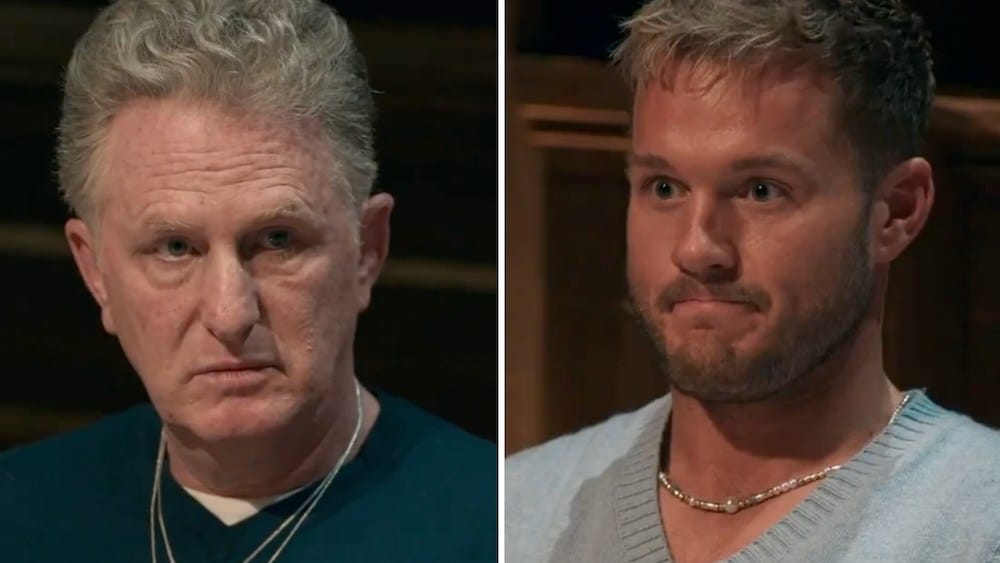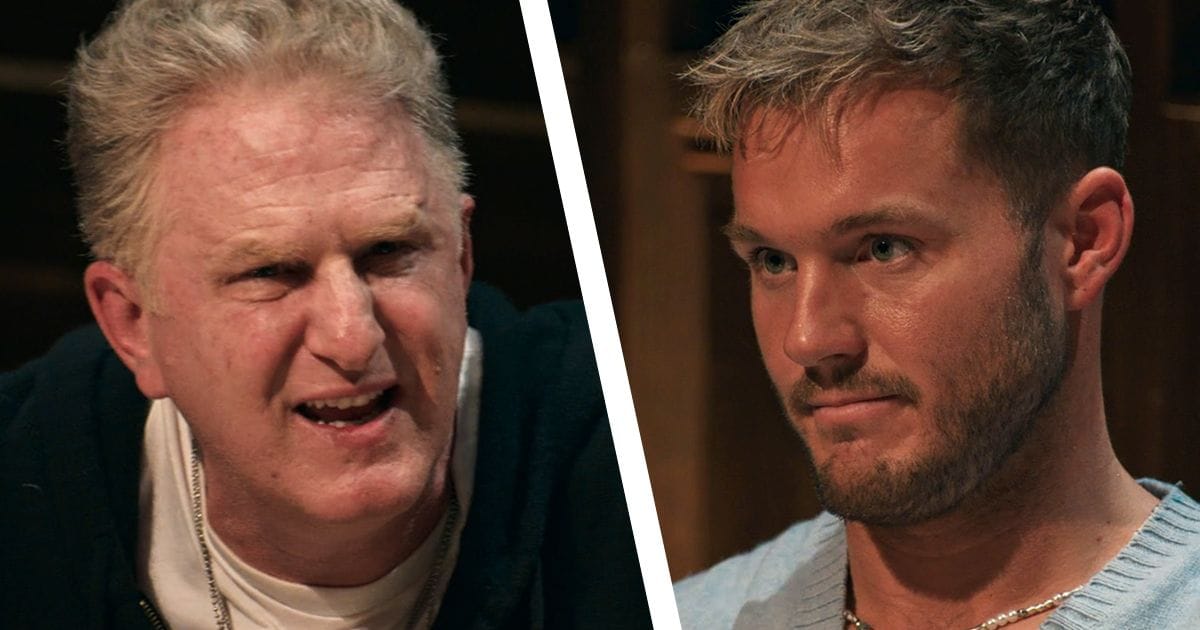
In the high-stakes environment of the Scottish Highlands, where suspicion is the currency and trust is a fatal flaw, reality television star Colton Underwood found himself at the center of a fresh controversy, both on-screen and in the resulting fan fallout. The drama, unfolding in the fourth season of Peacock’s breakout reality hit, The Traitors, reached a boiling point during the show’s fifth episode.
The catalyst for the most recent wave of scrutiny was veteran actor and comedian Michael Rapaport. Known for his “foghorn voice and aggro personality,” Rapaport’s intense style often keeps the castle on edge. However, a particular remark he aimed at Underwood regarding the necessity of keeping a secret immediately drew the ire of viewers, prompting a public clarification from Rapaport himself.
The Conflict in the Castle
The controversy stems from the episode titled, “If You’re Gonna Come for Me; I’ll Finish You,” which streams on Peacock, and involves the intense paranoia inherent to the game. In The Traitors, contestants are split into ‘Faithfuls’ and ‘Traitors,’ with the latter attempting to secretly eliminate the former while the Faithfuls try to banish the Traitors through daily roundtable discussions.
Rapaport, an outspoken and often abrasive player, thrives on confrontation, frequently employing intense psychological tactics to probe his competitors. It was during one of these strategic assaults that he delivered the controversial comment to Colton Underwood, the former star of The Bachelor who publicly came out as gay in 2021.
Rapaport’s Defense: Disavowing the Personal Attack
Following the episode’s release, social media buzzed with speculation that Rapaport’s comment about keeping a secret was an insensitive, potentially homophobic, jab specifically referencing Underwood’s high-profile journey of hiding his sexuality before his public coming out. The context of ‘secrets’ in Underwood’s public narrative, juxtaposed against the game’s core mechanic of deception, created an immediate firestorm.
Facing rapid backlash, Michael Rapaport swiftly issued a statement clarifying his intent. He claimed in the aftermath that his controversial remark to Colton Underwood about maintaining a secret “had nothing to do with his sexuality.”
This denial hinges on the difference between general strategic banter in a game of spies and targeted discrimination. According to Rapaport’s defense, the comment was a generic strategic move, designed to destabilize any player—regardless of their identity—by implying they harbor hidden truths that could expose them as a Traitor or an unreliable Faithful.
In the intense, edited environment of reality television, the intent of a remark can easily be lost, or worse, weaponized by the surrounding narrative. Rapaport’s clarification aimed to pull the comment back from the realm of personal attack into the accepted, if aggressive, parameters of reality competition strategy.
Colton Underwood and the Fight Against Hateful Commentary
While Rapaport addressed the on-screen incident, Underwood found himself battling a separate, but fundamentally related, wave of vitriol from viewers. The celebrity contestant, now 33, took to his Instagram Story to address the “hateful comments about his sexuality” that had flooded his feed following the airing of the most recent episodes.
Underwood, who rose to fame through the highly heteronormative environment of The Bachelor before using his platform to embrace his identity, has repeatedly demonstrated his willingness to stand up against prejudice. His decision to share and reply to a specific hate comment from a Traitors season 4 fan underscores the persistent reality that celebrity contestants who identify as LGBTQ+ often face personalized attacks that extend far beyond criticism of their gameplay.
This incident highlights a growing tension in modern reality television. While producers seek to amplify drama and conflict, the resulting narrative often licenses viewers to cross the line from critiquing strategy to unleashing genuine, harmful prejudice against the participants’ core identities.
The Traitors as a Mirror for Social Tensions
The Traitors, with its focus on manipulation and mistrust, is inherently designed to push contestants to their emotional limits. When figures like Rapaport, known for an aggressive and theatrical style, collide with participants like Underwood, whose public narrative is deeply intertwined with themes of secrecy and self-acceptance, the drama transcends gameplay and touches upon sensitive cultural fault lines.
Rapaport’s insistence that his comment was purely game-related reflects a common defense in the reality TV ecosystem: that actions within the confines of the game should be judged solely by strategic merit. However, for a segment of the audience, the comment landed as a deliberate, cruel reference to Underwood’s past struggles.
Underwood’s response—publicly calling out the ‘hateful’ nature of the fan commentary—serves as a crucial reminder that the fame associated with a successful reality show appearance comes with the inevitable cost of navigating intense public scrutiny, often rooted in personal biases.
The intersection of reality TV drama and real-world identity politics necessitates a delicate balance. For contestants like Underwood, choosing to participate in a high-stakes psychological game means accepting that their public history, including their journey with sexuality, becomes part of the narrative fodder. Yet, it does not, and should not, validate hate speech from the viewing public.
Reality programming thrives on conflict, but the line between manufactured drama and real-life prejudice is becoming increasingly blurred, demanding prompt and clear responses from both participants and networks when the critique turns personal and bigoted.
The situation serves as an important case study in media ethics and fan responsibility. When a contestant makes a statement, regardless of intent, its reception is colored by the audience’s knowledge of the recipient’s life outside the castle walls. Rapaport may have intended a general smear, but the audience’s interpretation was informed by Underwood’s specific path to self-discovery.
Underwood’s proactive stance against the online hatred demonstrates a growing commitment among public figures to use their visibility not just to promote their careers, but to actively police the commentary directed at marginalized communities. His willingness to confront the ‘hateful’ remarks ensures that these incidents do not simply vanish into the ephemeral chaos of social media.
The ongoing narrative of The Traitors Season 4 continues to demonstrate that while the drama in the castle might be entertainment, the resulting discussions about identity, prejudice, and public scrutiny are often intensely real.
As Underwood stated in his response to the fan toxicity, his platform will be used to ensure that, even in the midst of reality television spectacle, he “won’t stand for hateful comments about his sexuality,” setting a clear boundary between gameplay and genuine bigotry.