
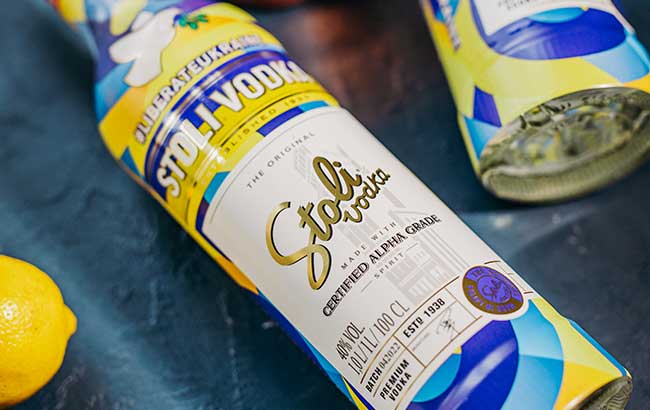
The filing of bankruptcy is often viewed as a corporate tragedy, a desperate attempt to reset and survive. Yet, there is a starkly different finality when a company moves past the hope of reorganization and embraces the cold, definitive action of liquidation. For the two principal US entities operating under the umbrella of the global vodka maker, Stoli Group, that ultimate deadline has now arrived.
What began as a corporate challenge—likely filed under the banner of Chapter 11, which permits a company to restructure its debts while continuing operations—has dramatically escalated. The US arms of the Stoli Group, the entity behind one of the world’s most recognizable vodka brands, have officially filed motions to convert their bankruptcies into Chapter 7 liquidations.
The Final Shift: From Restructuring to Dissolution
The news, first reported by Nicola Carruthers, confirms that the US distribution and operational framework for the internationally renowned Stoli Group is concluding its life as a going concern. Chapter 7 bankruptcy is not a pause or a strategic retreat; it is a legal mechanism for the complete and total cessation of business operations.
This conversion signals that the US entities, which managed the complex logistics of importation, distribution, marketing, and sales across one of the most vital consumer markets in the world, have determined that recovery is unattainable. All efforts at maintaining operations or finding a sustainable path forward have ceased, leading to the winding down process.
The distinction between Chapter 11 and Chapter 7 is monumental. Chapter 11 proceedings are rooted in optimism—the debtor believes that with proper debt management and operational streamlining, it can emerge stronger. Chapter 7, conversely, is an admission of corporate mortality, an acknowledgment that the business model, market conditions, or debt load makes continued existence impossible.
The Immediate Impact of Chapter 7
When a company converts to Chapter 7, the management team that oversaw the bankruptcy proceedings steps aside. The court appoints an independent Chapter 7 trustee, whose sole mandate is to take possession of all non-exempt assets, liquidate them as efficiently as possible, and distribute the resulting cash to creditors according to the established priority dictated by the Bankruptcy Code.
For the US operations of Stoli Group, this means everything—from inventory of premium spirits and distribution contracts to physical assets like office equipment, real estate holdings, and intellectual property (if held locally)—will be cataloged and sold off. The goal is singular: maximize returns for the creditors, leaving the corporate shell empty.
For employees affiliated with the two US entities, this conversion typically spells immediate termination. The functions necessary for ongoing sales and distribution vanish, replaced only by the administrative tasks required to facilitate the liquidation sale.
Anatomy of a Corporate Collapse
While the full internal accounting that led to this decision remains confidential within court filings, the move from Chapter 11 to Chapter 7 suggests a severe shortfall in anticipated revenue or an unforeseen tightening of credit, making reorganization infeasible. For a global powerhouse like Stoli Group, the failure of its crucial US distribution network is a significant setback.
The complexity is compounded by the specific brands involved. While Stoli vodka is the flagship, the US entities were responsible for distributing a portfolio that included high-end offerings. Titles associated with this filing referenced the liquidation of ‘Kentucky Owl bourbon.’ This implies that the US operational failure encompasses more than just the imported vodka market, extending to the management of domestic or high-value specialty spirits as well.
The failure of the US entities is a stark reminder that even well-established global brands are vulnerable to localized operational challenges, particularly in the notoriously competitive US alcoholic beverage market, which is characterized by labyrinthine three-tier distribution laws (producer, distributor, retailer) that can strain any business model.
The Global Implications for Stoli Group
It is crucial to note that the Chapter 7 filings specifically concern the two US entities. Stoli Group, as the international parent company and brand owner, proceeds with its global operations. However, the complete failure of the US operational arm necessitates a fundamental, and urgent, retooling of how its products reach American consumers.
The US market represents a massive percentage of global premium spirits consumption. Losing control of distribution and having to hastily secure new partners while existing contracts are dissolved in bankruptcy court creates significant market disruption. Competitors are swift to exploit such vacuums, potentially leading to immediate market share erosion for the Stoli brand in key metropolitan areas.
Beyond the operational hurdles, the brand itself faces indirect reputational damage. While consumers typically separate a brand’s quality from its corporate ownership structure, a widely publicized Chapter 7 liquidation of its domestic operating arm can create uncertainty among retailers, wholesalers, and investors regarding the long-term stability and supply chain integrity of the product.
Geopolitical and Market Headwinds
The context surrounding the Stoli brand has been fraught with challenges over the last few years. While the brand is controlled by the Stoli Group, headquartered in Luxembourg, its heritage links it to geopolitical tensions, which forced the company to take steps to strongly distinguish itself in the eyes of consumers and sever perceived ties to certain regions.
The luxury spirits sector, generally resilient, has also faced recent headwinds globally. The end of pandemic-era consumption surges, coupled with persistent global inflation, has squeezed middle-tier consumers. High-end brands must now navigate a landscape where pricing pressure meets consumer resistance.
For brands relying on complex, capital-intensive distribution networks, any drop in demand or increase in operational cost—whether related to freight, labor, or regulatory compliance—can quickly transform tight margins into unsustainable losses. The transition to Chapter 7 for the US entities suggests this perfect storm of high costs and unmanageable debt proved too overwhelming for the local leadership to overcome.
The spirits distribution business requires significant upfront capital for inventory, marketing campaigns, and maintaining a sales force. If the US entities had entered bankruptcy with a large inventory they could not move quickly, or if key debtor-in-possession financing failed to materialize during the Chapter 11 phase, the conversion to liquidation becomes the inevitable, necessary step.
The Future of the Stoli Distribution Network
In the aftermath of the Chapter 7 conversion, Stoli Group’s global management will be faced with a critical task: establishing a new, stable, and compliant route to market for its vodka and other spirits in the United States. This could involve contracting with a large, established third-party distributor that handles numerous brands, or attempting to build a completely new, smaller internal structure from scratch.
A transition to a large national distributor (like a Diageo or Pernod Ricard subsidiary) offers stability but comes at the cost of control and potentially lower margins. Rebuilding an independent network is costly and time-consuming, requiring fresh investment and navigating the reputational wake left by the Chapter 7 proceedings.
The swiftness of the conversion—moving directly into final liquidation—underscores the immediate nature of the crisis facing these US operations. The process will be focused less on recovery and more on closure, delivering a final, sobering message to the alcoholic beverage industry about the inherent risks, even for legacy brands.
“A brand’s history may grant it consumer recognition, but it does not insure it against the harsh realities of corporate finance. Liquidation is the ultimate reminder that in the hyper-competitive world of luxury goods, operational efficiency must always match marketing prowess.”
The closure of these entities marks not just a legal transaction but the quiet end of hundreds of daily operations that brought Stoli products to bars and shelves across America. The appointed trustee now begins the grim work of auctioning off the remnants of what was once a powerful engine of the international spirits trade, ensuring the final chapter of these US entities is written in ledger books, not sales reports.
The ripple effect of this action will be monitored closely by competing spirit makers and distributors worldwide, serving as a cautionary tale of the thin line separating market dominance from corporate dissolution in the high-stakes, high-reward global beverage industry.
While the Stoli brand itself will endure internationally, the conversion to Chapter 7 for its US operational backbone is a definitive and painful step backward in its strategic expansion plans for the North American continent. The immediate priority is damage control, ensuring the brand can secure stable supply lines before the next US holiday season arrives.
The liquidation process, governed by rigorous federal laws, will likely take months, perhaps longer, as the trustee carefully evaluates every asset, from bottles in warehouses to pending accounts receivable. The process will be thorough, dismantling the US infrastructure brick by financial brick until only the final court order of dissolution remains.
This situation highlights that operational failure in a single key market can trigger a crisis for a multinational entity. The US entities’ inability to manage debt or sustain operations under Chapter 11 reorganization proved fatal, leading to the necessary legal move to total liquidation, closing this chapter in the American story of the Stoli Group.
Photo by kdiem1229 on Pixabay.