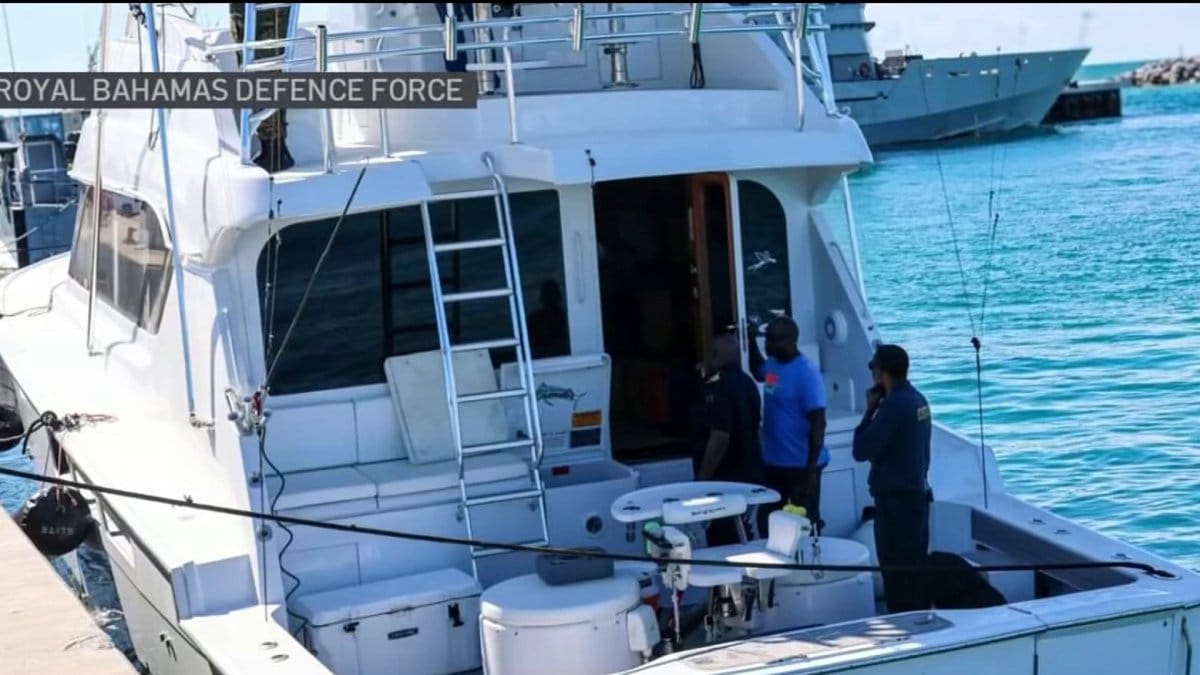
The tranquil turquoise waters surrounding the Bahamas, often synonymous with idyllic escapes, recently became the stage for a stern assertion of national sovereignty. On a recent Monday, the calm was broken by the Royal Bahamas Defense Force, leading to the arrest of two American men, both with ties to Miami Beach, accused of operating an illegal sport fishing charter within Bahamian territory.
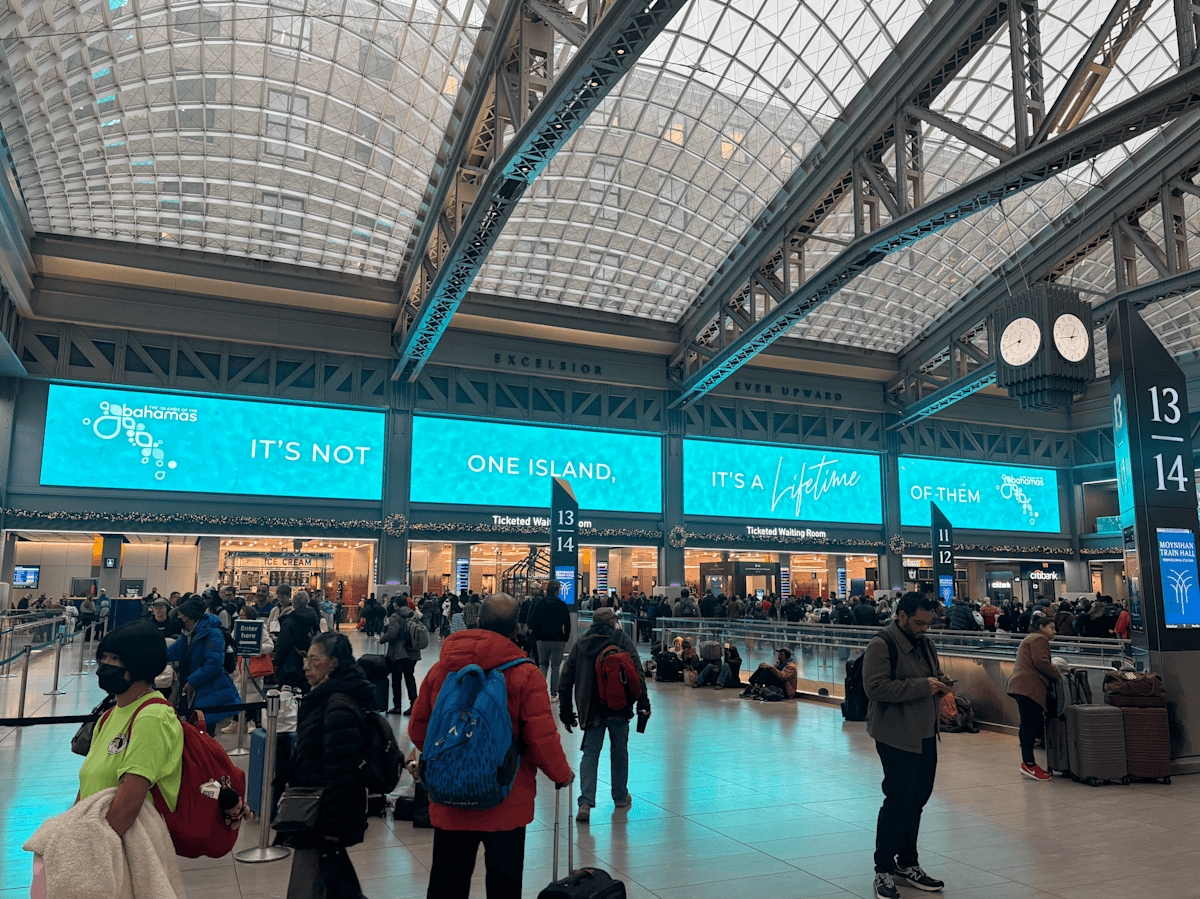
This incident, swiftly reported by the Royal Bahamas Defense Force Facebook and ZNS Bahamas, casts a sharp light on the dual challenges confronting the archipelago: the rigorous protection of its precious marine resources from illicit exploitation, even as it simultaneously launches an ambitious campaign to beckon the world to its shores. Just as the defense force underscores its commitment to maritime law, the nation is captivating audiences far north, transforming New York’s bustling Moynihan Train Hall into a vibrant gateway to “A Lifetime of Islands.”
Guardians of the Azure: Confronting Illegal Fishing
The Arrests in Bahamian Waters
The arrest of the two American captains highlights a persistent struggle faced by many island nations: safeguarding sovereign waters from those who disregard local laws. With ties to Miami Beach, these individuals represent a demographic often associated with the high-stakes world of offshore sport fishing, a recreational activity that, when unregulated, can have devastating ecological and economic consequences.
The Royal Bahamas Defense Force (RBDF) plays a critical role as the frontline defender of the nation’s territorial integrity and natural resources. Their operations, often conducted across vast stretches of ocean, are essential not only for national security but also for enforcing environmental regulations. The prompt reporting of such arrests underscores the RBDF’s commitment to transparency and its zero-tolerance policy towards illegal maritime activities, sending a clear message to potential offenders.
The Cost of Unregulated Waters
Illegal, Unreported, and Unregulated (IUU) fishing is a global scourge, and for a nation like the Bahamas, whose economy is inextricably linked to its marine environment, the stakes are particularly high. Unlicensed sport fishing charters not only poach valuable fish stocks but also undermine the legitimate Bahamian charter industry, which adheres to strict regulations designed to ensure sustainability and fair play.
The economic impact extends beyond direct competition. Depleted fish populations affect local livelihoods, from small-scale fishermen who depend on healthy ecosystems for their daily catch to the wider tourism sector that markets the Bahamas as a premier destination for angling. The ecological damage is even more far-reaching, threatening coral reefs, disrupting marine food chains, and jeopardizing biodiversity that has taken millennia to evolve.
International maritime law dictates that coastal states have sovereign rights over their territorial seas, including the right to explore, exploit, conserve, and manage natural resources. The Bahamas, like other nations, invests significantly in patrolling these waters, and incidents like these arrests reinforce the necessity of constant vigilance. The penalties for such offenses are often severe, ranging from hefty fines and confiscation of vessels to imprisonment, reflecting the seriousness with which these infringements are viewed.
“The health of our oceans is the lifeblood of our nation, a heritage to be protected at all costs for future generations and the present prosperity of our people.”
From the Caribbean to the Concrete Jungle: Bahamas’ Tourism Offensive
Captivating Commuters in Moynihan Train Hall
In stark contrast to the enforcement actions in its waters, the Bahamas is simultaneously projecting an image of warmth and welcome thousands of miles away. The campaign, titled “A Lifetime of Islands,” has taken over New York City’s Moynihan Train Hall, a bustling transit hub that serves as a gateway for millions of commuters and travelers annually. This high-impact out-of-home advertising activation is a testament to the strategic importance of the U.S. market for Bahamian tourism.
Moynihan Train Hall, with its grand architecture and constant flow of diverse audiences, offers an unparalleled platform for destination marketing. The visual spectacle and immersive branding aim to transport hurried New Yorkers from their winter commutes to the sun-drenched beaches and vibrant culture of the Caribbean. The campaign’s slogan, “A Lifetime of Islands,” cleverly encapsulates the diversity of experiences available across the Bahamian archipelago, from tranquil family getaways to adventurous diving expeditions.
The Lifeline of Tourism
For the Bahamas, tourism is not merely an industry; it is the dominant economic pillar, accounting for a significant portion of its Gross Domestic Product and employment. The global tourism landscape, still navigating the complexities of post-pandemic recovery, demands innovative and assertive marketing strategies. The investment in a high-profile campaign in a key source market like New York City underscores the nation’s determination to rebuild and surpass pre-pandemic visitor numbers.
The campaign aims to leverage the innate desire for escape, particularly strong among populations in colder climates, offering the promise of warmth, relaxation, and unparalleled natural beauty. By targeting commuters, the activation seeks to insert the dream of a Bahamian vacation directly into the daily routines of potential travelers, converting momentary daydreams into tangible travel plans. This approach is not just about attracting visitors; it’s about sustaining an entire economy and the livelihoods of countless Bahamian families.
“The islands call not just as a destination, but as a promise of renewal, adventure, and memories that last far beyond the journey home.”
The Dual Imperative: Preservation and Prosperity
Balancing Act: Protecting Resources While Attracting Visitors
The juxtaposition of these two events—the arrests for illegal fishing and the high-profile tourism campaign—highlights the delicate balance that small island developing states (SIDS) like the Bahamas must maintain. Sustainable tourism is not merely a buzzword; it is an economic necessity. The very allure that draws millions to the Bahamian shores—its pristine waters, abundant marine life, and untouched natural beauty—is precisely what is threatened by illegal activities.
Therefore, vigorous enforcement of maritime laws is not an impediment to tourism but a fundamental prerequisite for its long-term success. A healthy marine ecosystem guarantees the vibrancy of sport fishing, diving, snorkeling, and beach activities that form the core of the Bahamian tourism product. When the Royal Bahamas Defense Force apprehends those who exploit these resources unlawfully, they are not just upholding the law; they are actively protecting the country’s most valuable assets.
A Shared Future in the Sun
The Bahamas’ proactive stance on both fronts—strengthening its maritime defense and aggressively marketing its tourism offerings—demonstrates a clear vision for its future. It is a future where economic prosperity is not achieved at the expense of environmental integrity but is, in fact, inherently tied to it. This approach serves as a model for other nations grappling with similar challenges, illustrating that robust conservation efforts and dynamic tourism promotion can, and must, go hand in hand.
Ultimately, the message is one of both invitation and assertion: the Bahamas welcomes the world to experience its unparalleled beauty, but it does so on its own terms, with unwavering commitment to preserving the very essence that makes it a lifetime of islands worth discovering and protecting.