The roar of the crowd, the squeak of sneakers on polished hardwood, the dazzling athleticism of young men pouring their hearts into every dribble and shot – this is the revered image of college basketball. It’s a spectacle steeped in tradition, fierce rivalries, and the pure, unadulterated passion of amateur sport. For countless fans across the United States and beyond, it represents a season of hopeful dreams, dramatic upsets, and the relentless pursuit of glory.
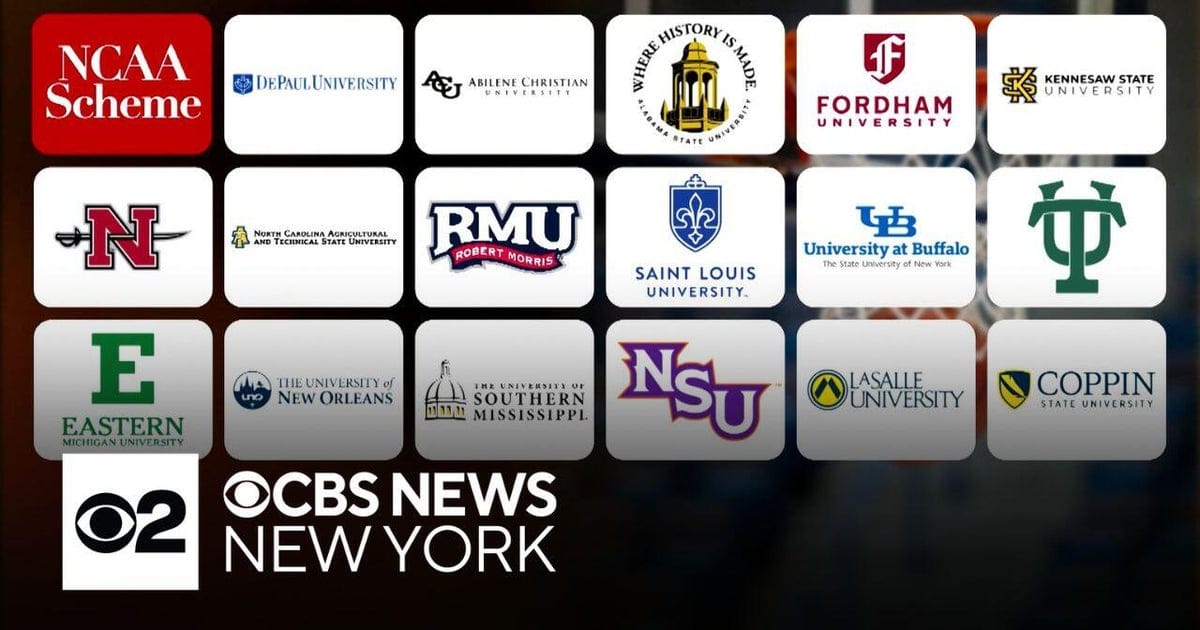
However, that idealized veneer of purity has been shattered by the unsettling revelations of a sprawling point-shaving scheme. Prosecutors have unveiled a sophisticated operation that implicated more than 39 players spread across an astonishing 17 NCAA Division I teams. This intricate web of deceit, orchestrated by a shadowy gambling ring involving both bettors and players, resulted in dozens of games being fixed over the previous two seasons, casting a long shadow over one of America’s most beloved sporting institutions and sending shockwaves through the global betting industry.
The Mechanics of Deception: Unpacking Point-Shaving
At its core, point-shaving is a subtle yet insidious form of sports corruption, distinct from outright game-fixing where the outcome is predetermined. Instead, it involves manipulating the margin of victory or defeat to benefit gamblers who bet against the point spread. In college basketball, a point spread is a handicapping tool set by oddsmakers to even the playing field between two mismatched teams, making every game theoretically a 50/50 proposition for bettors.
For instance, if Team A is favored by 10 points against Team B, Team A must win by 11 points or more for bets on them to pay out. If they win by exactly 10, it’s a ‘push,’ and bets are returned. If they win by 9 or fewer, or lose outright, bets on Team B (plus 10 points) win. Point-shaving occurs when players, often enticed by significant sums of money, intentionally underperform just enough to ensure their team ‘fails to cover’ the spread, even if they still win the game.
This manipulation can manifest in various ways: a missed free throw at a critical juncture, a careless turnover, a late foul that gives the opponent easy points, or a general lack of effort that keeps the score closer than it should be. The beauty, from the perspective of the fixers, is its subtlety. A player’s poor performance can be easily attributed to an ‘off night,’ a bad decision, or simply the pressure of the game, making it incredibly difficult to detect without concrete evidence of a conspiracy.
The financial incentives for players, particularly those from disadvantaged backgrounds or facing personal financial pressures, can be immense and tempting, far exceeding the modest stipends or scholarships many receive. For the gambling rings, the payouts on successful point-shaving operations can be astronomical, making the risk of recruiting and corrupting players a calculable, if illicit, business venture.
A Troubling Echo from the Past: History’s Warning Signs
While the scale and breadth of the current scandal are deeply alarming, the specter of point-shaving is not new to college basketball. The sport has, unfortunately, a long and painful history of such integrity breaches, serving as a stark reminder of the ever-present vulnerability to outside influence. From the notorious City College of New York (CCNY) scandal in the early 1950s, which implicated multiple teams and became a national embarrassment, to more recent incidents in the late 20th and early 21st centuries, the pattern of exploitation remains tragically consistent.
Past cases, such as those involving Boston College, Arizona State, and Toledo, among others, demonstrated how easily young athletes, often unaccustomed to large sums of money or the pressures of illegal gambling, can fall prey to the machinations of criminal enterprises. These historical precedents underscored the critical need for continuous vigilance, robust educational programs, and severe consequences for those who betray the trust placed in them. Each time, the game weathered the storm, but not without significant damage to its reputation and the lingering question of whether true amateurism could ever be fully safeguarded.
The current revelations, involving such a significant number of players and teams across NCAA Division I, resonate with these historical warnings. They suggest that despite decades of efforts by the NCAA and individual institutions to educate athletes and enforce strict anti-gambling rules, the allure of illicit profit and the sophisticated tactics of criminal rings continue to pose a formidable threat. This latest incident serves as a grim echo, reminding stakeholders that the battle for sports integrity is an unending one.
A Crisis of Trust for College Athletics
The implications of this scandal extend far beyond the individual players and teams involved; it represents a profound crisis of trust for college athletics as a whole. Fans invest emotionally and financially in their favorite teams, believing in the honest effort and competitive spirit of the athletes. When that belief is betrayed by revelations of fixed games, the very foundation of sports fandom begins to crumble.
For the athletes who play with integrity, a scandal of this magnitude casts an unfair cloud of suspicion over their achievements. It undermines their hard work, dedication, and the sacrifices they make to compete at an elite level. Coaches and athletic directors, who strive to foster environments of ethical conduct and fair play, are forced to grapple with the devastating reality that their own programs could be compromised from within.
The Future of Amateurism Under Duress
The NCAA, as the governing body for college athletics, faces immense pressure to address this issue comprehensively. Its foundational principle of amateurism, already under scrutiny from debates over name, image, and likeness (NIL) rights, is further challenged by such widespread corruption. The scandal highlights the financial vulnerabilities of student-athletes and the potential for these vulnerabilities to be exploited by those looking to manipulate sporting outcomes for profit.
The integrity of the competition itself is paramount. If fans, media, and even participants begin to question the authenticity of results, the entertainment value and cultural significance of college basketball diminish irrevocably. The vibrant ecosystem of March Madness, conference championships, and regular-season battles depends entirely on the faith that every game is played with genuine intent to win, free from external manipulation.
The Gambling Industry on Edge
The revelation that this scandal ‘rocks the betting industry’ is hardly an understatement. The proliferation of legal sports betting across numerous U.S. states in recent years has brought with it both immense revenue and heightened scrutiny on integrity. While legal operators invest heavily in sophisticated monitoring systems to detect suspicious betting patterns, illegal gambling rings operate in the shadows, posing a far greater threat to the honesty of sports.
When a widespread point-shaving scheme comes to light, it damages the credibility of the entire betting ecosystem, both legal and illegal. For licensed sportsbooks, it fuels public skepticism and could lead to demands for more stringent regulations or even a backlash against the legalization trend. It underscores the constant cat-and-mouse game between those who seek to profit illegally and the industry’s efforts to maintain transparency and fairness.
The Challenge of Monitoring and Regulation
The sheer volume of bets placed on college basketball, particularly during the peak season, makes comprehensive monitoring a gargantuan task. While algorithms can flag unusual movements in betting lines or unusually large wagers on specific outcomes, it often takes detailed investigative work, often in cooperation with law enforcement, to uncover the underlying criminal enterprise. This scandal serves as a stark reminder that the growth of legal betting must be accompanied by an equally robust commitment to integrity measures, including intelligence sharing between sports organizations, law enforcement, and regulated betting operators.
The illegal market, which remains pervasive, presents an even greater challenge. Operating outside any regulatory framework, these rings are inherently designed to circumvent detection and are the primary avenues through which point-shaving schemes are typically executed. The ongoing battle against such illicit operations is critical for safeguarding the integrity of all sports, especially those as widely wagered upon as NCAA basketball.
The Long Arm of the Law and the Path Forward
The involvement of prosecutors and the charging of dozens of individuals underscores the serious legal ramifications associated with such schemes. Point-shaving is not merely a breach of sporting ethics; it often involves federal crimes such as conspiracy, wire fraud, and illegal gambling operations. Convictions can lead to significant prison sentences, hefty fines, and permanent damage to reputations, destroying promising athletic or professional careers.
The investigative process itself is complex, requiring meticulous examination of financial records, communication intercepts, and witness testimony. Securing convictions often relies on turning key witnesses within the gambling ring or among the implicated players, who might cooperate in exchange for leniency. The message sent by these prosecutions is clear: those who seek to corrupt the integrity of sports will face severe legal consequences.
Strengthening Safeguards and Education
Moving forward, the NCAA, individual universities, and law enforcement agencies must redouble their efforts to prevent future scandals. This includes enhancing educational programs for student-athletes, teaching them about the dangers of illegal gambling, the importance of reporting suspicious approaches, and the severe personal and professional costs of involvement in such schemes. Financial literacy programs could also help address the underlying vulnerabilities that make some athletes susceptible to bribery.
Moreover, strengthening internal monitoring systems within athletic departments and fostering closer collaboration with state and federal law enforcement are crucial. Implementing anonymous reporting mechanisms and ensuring that athletes and staff feel safe coming forward with information without fear of reprisal can also be effective deterrents. The goal must be to create an environment where the temptation to compromise integrity is outweighed by the risks and the commitment to fair play.
The current scandal is a sobering reminder that the battle for sports integrity is ongoing and multifaceted. It requires constant vigilance, unwavering ethical commitments, and a collaborative effort from all stakeholders. While the headlines may fade, the damage to trust takes far longer to heal.
“Every time a scandal like this surfaces, it chips away at the fundamental trust that underpins college sports. Rebuilding that trust is a marathon, not a sprint, and it requires unwavering commitment from everyone involved,” observed a veteran sports analyst, who requested anonymity to speak candidly on the systemic issues facing amateur athletics. The hope remains that from this setback, college basketball can emerge stronger, recommitted to the principles of fair play and the dreams it inspires in millions.