Senate Hearing on Chemical Abortion Drugs Becomes Flashpoint
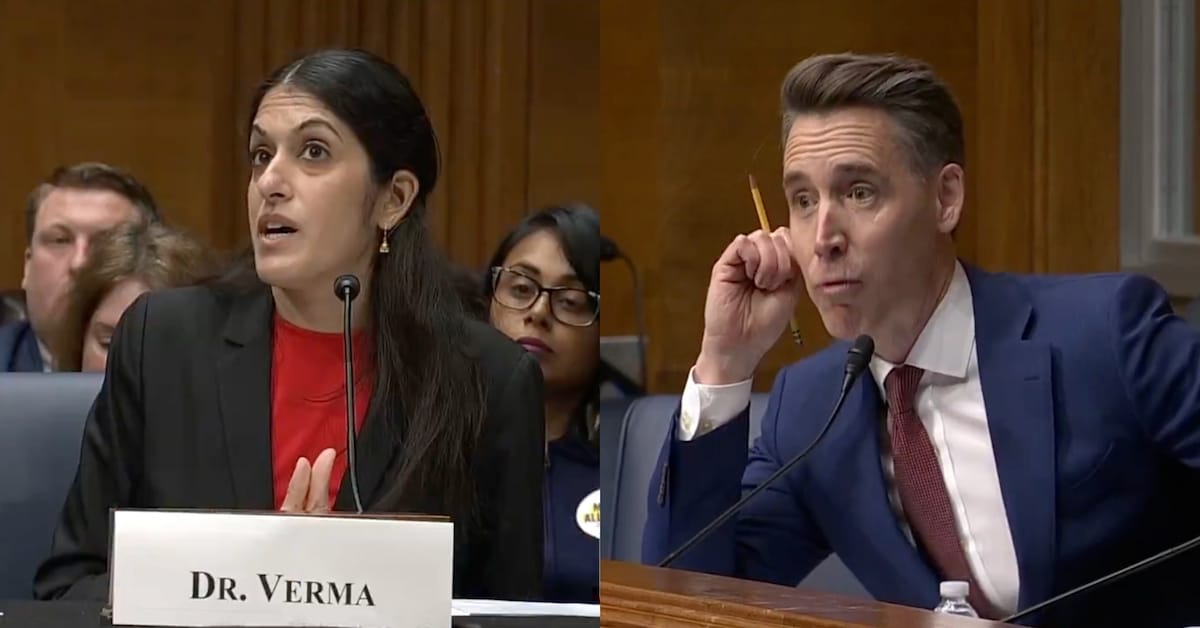
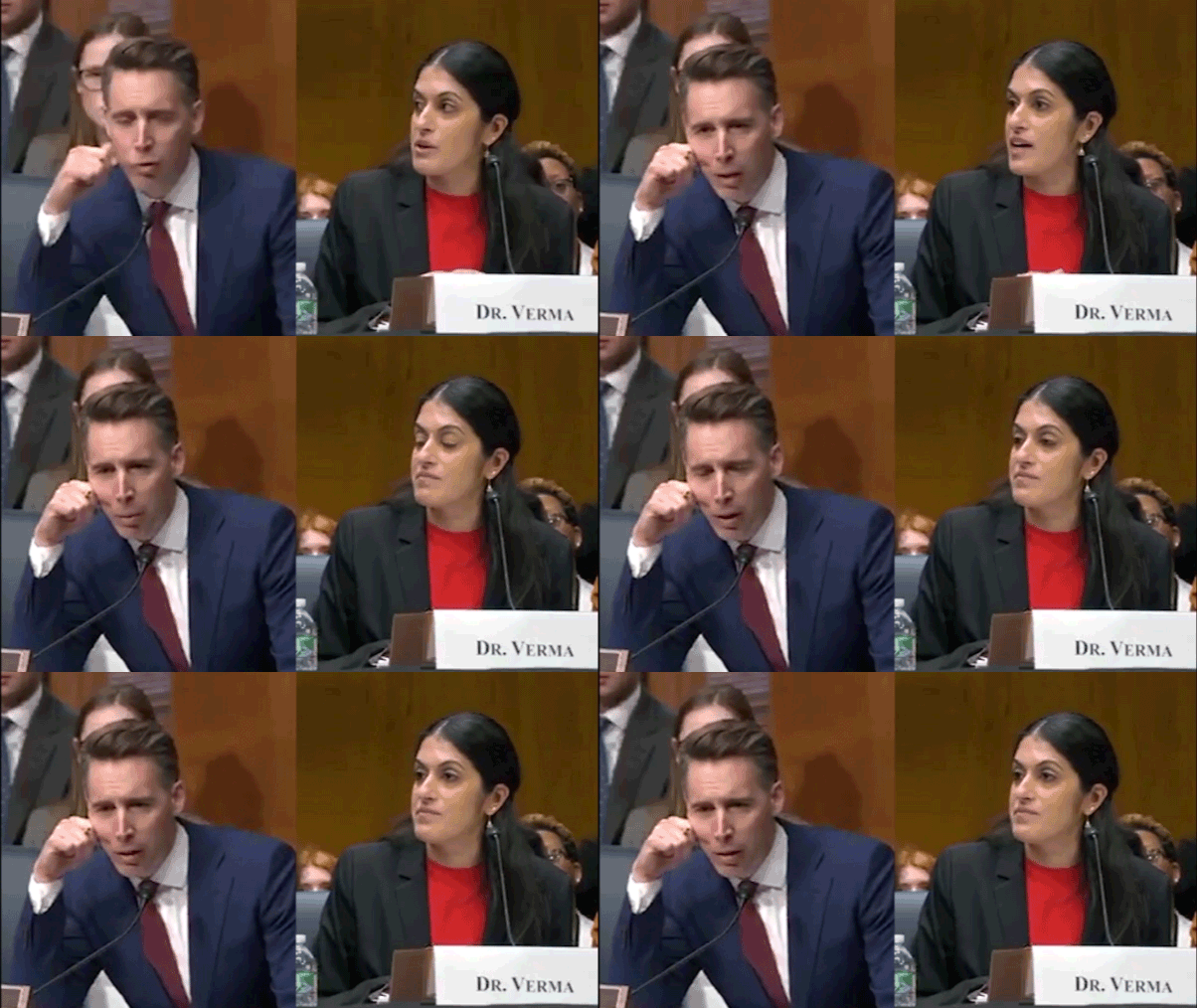
A recent Senate hearing focused on chemical abortion drugs took a sharp turn when Dr. Nisha Verma, a Reproductive Health Adviser and senior figure associated with Physicians for Reproductive Health, faced pointed questions from Republican senators. The exchange, particularly concerning the biological capacity of men to become pregnant, quickly gained traction online and drew sharp reactions from political figures.
Viral Moment Ignites Debate
Senators Josh Hawley of Missouri and Ashley Moody of Florida were vocal in their criticism following the tense moment, which became a viral sensation. The core of the controversy stemmed from Dr. Verma’s response, or perceived lack thereof, to the question of whether men can get pregnant. Critics, including conservative commentators and some lawmakers, blasted the doctor for refusing to answer the question directly, labeling the stance as “total blithering idiots.”
The incident occurred during a hearing that was intended to address the accessibility and regulation of chemical abortion drugs. However, the focus of the public discourse rapidly shifted from the policy implications of abortion access to the specific interactions within the hearing room. This redirection highlights how a single, often decontextualized, moment can dominate the news cycle.
Why This Matters: The Shifting Landscape of Reproductive Health Discourse
The viral exchange underscores the deeply polarized nature of reproductive health discussions in the United States. The question of whether men can get pregnant, while seemingly straightforward from a biological standpoint for many, has become a loaded question in the current political climate. It taps into broader cultural debates about gender identity, biological sex, and the terminology used in medical and legal contexts.
The Role of Medical Professionals in Public Discourse
Dr. Verma’s position as a Reproductive Health Adviser and her affiliation with Physicians for Reproductive Health place her at the center of these sensitive conversations. Her response, interpreted by some as evasive and by others as a deliberate choice to focus on specific aspects of reproductive healthcare, has amplified the debate about the role of medical experts in public and political arenas. The incident raises questions about how medical professionals should navigate politically charged inquiries.
Furthermore, the reaction from senators like Hawley and Moody demonstrates how such exchanges are leveraged within the political sphere. These moments are often used to rally support, draw clear distinctions between political ideologies, and frame opponents in a particular light. The rapid spread of the clip online suggests a public appetite for these dramatic confrontations, often overshadowing more substantive policy discussions.
Connecting to Broader Trends
This incident is not an isolated event but rather a symptom of a larger trend in American politics: the weaponization of social and cultural issues. The debate around gender, identity, and biology has become increasingly prominent, often intersecting with policy debates on healthcare, education, and law. The controversy surrounding Dr. Verma’s testimony fits within this broader pattern.
Polarization and the Framing of Science
The politicization of science and medical terminology is a growing concern. In the context of reproductive rights, discussions have moved beyond the technicalities of medical procedures to encompass deeply held beliefs about life, gender, and individual autonomy. The viral nature of the clip suggests that appeals to perceived common sense or traditional understanding of biology can resonate strongly with certain segments of the electorate.
The focus on Dr. Verma’s response also highlights the broader strategy of challenging medical consensus and expertise by political actors who disagree with specific policy outcomes. When medical professionals are perceived as aligning with a particular political agenda, their statements can become targets for intense scrutiny and criticism, regardless of their scientific merit.
The Power of Viral Content in Politics
The speed and reach with which this particular exchange spread online are indicative of the power of viral content in shaping political narratives. Short, often emotionally charged, clips can bypass traditional media gatekeepers and directly influence public opinion. This dynamic presents both opportunities and challenges for policymakers, advocates, and the public alike.
Looking Ahead: The Future of Reproductive Health Debates
The heated exchange at the Senate hearing serves as a potent reminder of the deep divisions surrounding reproductive healthcare in the United States. As legislative battles over abortion access continue, these highly visible moments are likely to become more frequent, influencing public perception and political strategy.
Navigating Nuance in a Polarized Environment
Moving forward, the challenge will be to foster more nuanced discussions about complex medical and ethical issues, even amidst intense political polarization. The focus on a single, viral moment risks oversimplifying critical debates and obscuring the intricate realities of reproductive health and rights. The ability of medical professionals to communicate effectively in a highly charged political environment remains a critical factor.
The reactions from senators like Hawley and Moody indicate that this issue will continue to be a significant point of contention in political discourse. The outcome of these debates, both in legislative chambers and in the court of public opinion, will shape the future of reproductive healthcare policy in the United States for years to come.