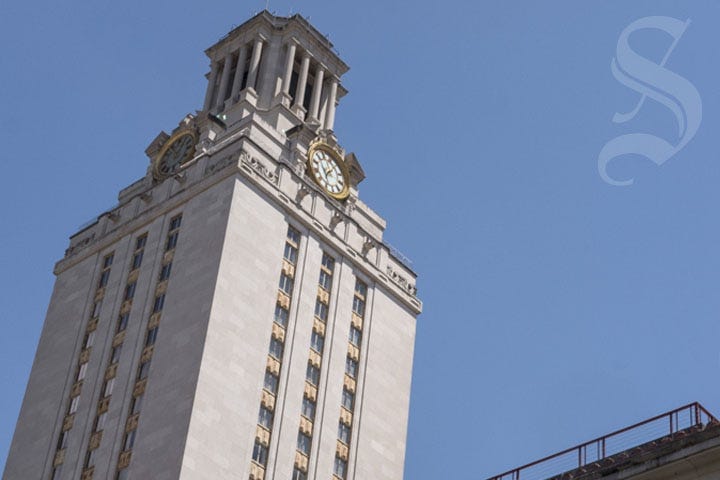
Philanthropic Powerhouse: UT Austin Secures Major Funding for Medical Center
The University of Texas at Austin is poised for a significant expansion in its medical research and healthcare capabilities, thanks to a substantial financial contribution from a prominent Austin couple. Tench and Simone Coxe have committed an impressive $100 million to fund the development of a new medical center on the university’s campus.
This generous donation represents a landmark moment for UT Austin, underscoring the institution’s growing ambition in the healthcare sector. The funds are earmarked specifically for the construction and establishment of a state-of-the-art medical facility, which is expected to enhance medical education, research, and patient care for the region and beyond.
Why This Investment Matters
The significance of the Coxe’s donation extends far beyond the immediate financial impact. It signals a broader trend of increased investment in academic medical centers, driven by the escalating demands for advanced healthcare solutions and cutting-edge medical research.
Such contributions are crucial for universities aiming to compete at the forefront of medical innovation. They enable the acquisition of advanced technologies, the recruitment of top-tier medical professionals and researchers, and the creation of specialized programs that address complex health challenges. For UT Austin, this means a bolstered capacity to train the next generation of physicians and scientists, while also providing critical health services to the Austin community.
Furthermore, large-scale philanthropic gifts like this can serve as a catalyst, inspiring further investment from other donors, corporations, and government entities. They elevate the profile of the institution and demonstrate confidence in its vision and leadership.
Connecting to Broader Trends
The development of new medical centers at major universities is a reflection of several converging trends. Firstly, there is a growing recognition of the vital role academic medical centers play in driving medical breakthroughs and translating research into practical patient care. Universities are increasingly viewed as hubs for innovation, capable of tackling public health issues with a multidisciplinary approach.
Secondly, the demand for specialized medical services continues to rise, fueled by an aging population and advancements in medical science. Universities with robust medical programs are strategically positioned to meet these needs, offering specialized treatments and conducting research into diseases that disproportionately affect older adults or require complex interventions.
The Coxe’s contribution also aligns with a national surge in philanthropic giving towards healthcare and medical research. High-net-worth individuals and families are increasingly directing their wealth towards causes they believe will have a lasting societal impact. Medical advancements and the institutions that foster them are often prime beneficiaries of this magnanimity.
This trend is particularly evident in large metropolitan areas like Austin, which are experiencing rapid growth and diversification. The establishment of a prominent medical center can significantly enhance the quality of life for residents, attract top talent, and stimulate economic development within the health sciences sector.
Looking Ahead
The $100 million donation from Tench and Simone Coxe is a pivotal step for UT Austin’s medical ambitions. The university can now accelerate its plans for the new medical center, potentially breaking ground sooner and attracting further investment to fully realize its potential.
The facility is expected to become a cornerstone of medical education and research in Texas, fostering collaborations across disciplines and driving innovation in areas such as personalized medicine, biomedical engineering, and public health. Its presence will undoubtedly enhance UT Austin’s reputation as a leading research university and a vital contributor to the well-being of society.
As the medical center takes shape, the university will likely see an influx of leading researchers, clinicians, and students, further enriching its academic environment. The long-term impact of this substantial gift will be felt for generations, shaping the future of healthcare and medical discovery originating from the heart of Texas.
In parallel, the university is also navigating the anticipation of admissions decisions for prospective high school seniors. This dual focus on future students and advanced medical infrastructure highlights UT Austin’s commitment to comprehensive growth and its multifaceted role in shaping futures.