Sonic Boom Rattles Norfolk Skies Amidst US Air Force Jet Activity
A distinct sonic boom echoed across the skies of Norfolk and Suffolk on Tuesday, startling residents and prompting widespread interest. The sound, a hallmark of supersonic flight, was captured on doorbell cameras, providing clear audio evidence of the event.
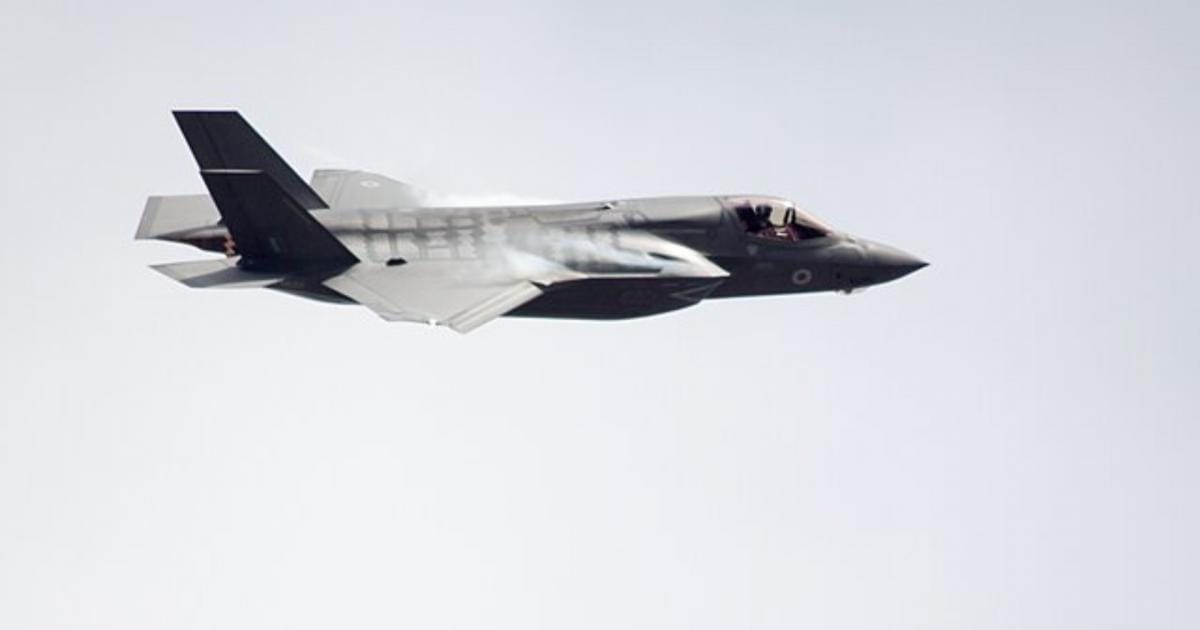
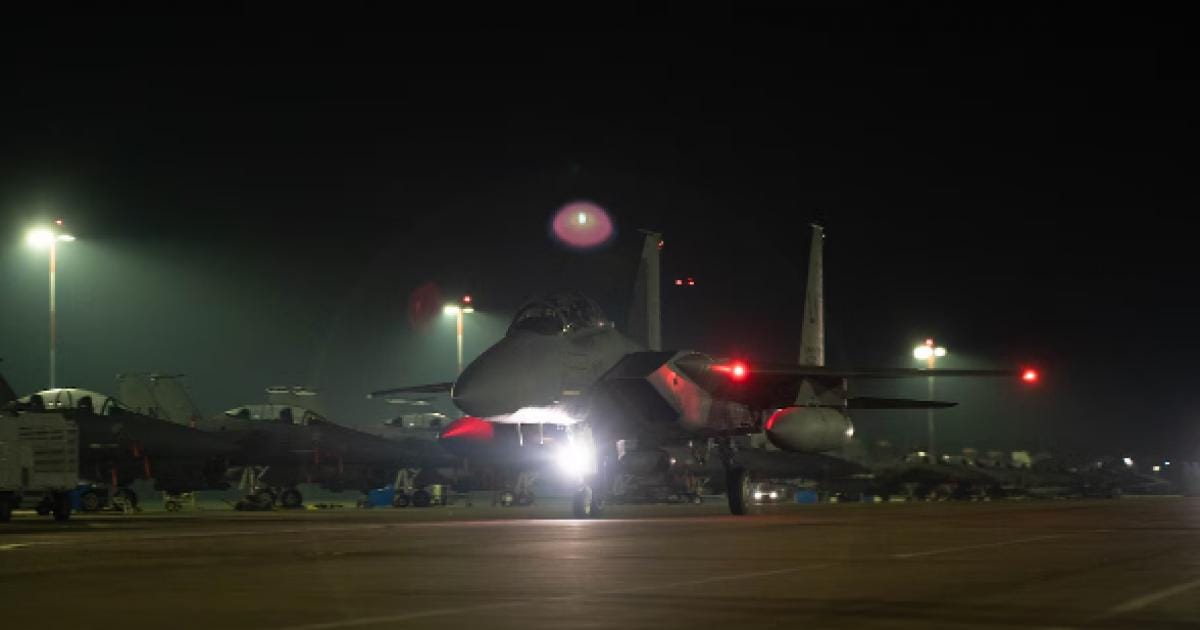
The phenomenon occurred as a United States Air Force (USAF) jet was operating in the airspace. Thousands of aviation enthusiasts and concerned citizens alike turned their attention to tracking the aircraft’s movements online. Flight tracking websites showed the jet circling over Norwich, becoming the most-tracked plane in the world for a period.
Doorbell Camera Captures Startling Sound
One of the most compelling pieces of evidence documenting the sonic boom comes from a domestic doorbell camera. The device, positioned outside a residence, recorded the sudden, loud noise that characterized the event. Another video circulating online showed a man reacting with surprise to the unexpected sound, further illustrating the impact on the local population.
These recordings underscore the sudden and pervasive nature of the sonic boom, which was heard by numerous individuals across the region. The clear capture by everyday technology highlights the widespread awareness and impact of the aerial activity.
Thousands Track US Air Force Jet Online
The presence and activity of the US Air Force jet did not go unnoticed by the global online community. Over 5,400 individuals utilized flight tracking services, such as FlightRadar24, to monitor the aircraft’s path. This surge in attention propelled the jet to the top of the list of most-tracked planes worldwide.
This extensive online tracking indicates a heightened public interest in military aviation, potentially fueled by current global geopolitical events. The ability for so many to follow military aircraft in real-time demonstrates the transparency offered by modern tracking technology and the public’s desire to understand the activities occurring in their skies.
RAF Bases and Strategic Significance
The incident occurred in a region with a significant military aviation presence. Norfolk, along with neighboring Suffolk and Lincolnshire, hosts Royal Air Force (RAF) bases. These locations are integral to the United Kingdom’s defense infrastructure and often involved in NATO operations.
The presence of USAF jets in the vicinity of these RAF bases suggests a potential collaborative exercise or a routine deployment. The heightened geopolitical tensions globally may add an additional layer of significance to such military movements, prompting increased public awareness and scrutiny.
Understanding Sonic Booms
A sonic boom is the sound associated with the shock waves created when an object travels through the air faster than the speed of sound. This speed, known as Mach 1, varies depending on atmospheric conditions such as temperature and altitude.
When an aircraft breaks the sound barrier, it creates pressure waves that coalesce into a shock wave. These shock waves propagate outwards from the aircraft, and when they reach an observer on the ground, they are perceived as a loud, explosive sound – the sonic boom. The characteristic ‘boom’ is actually a pair of booms, one from the nose of the aircraft and one from the tail, often heard in quick succession.
Public Reaction and Geopolitical Context
The sonic boom over Norfolk has occurred at a time of increased global geopolitical instability. This backdrop likely contributes to the heightened public awareness and the immediate focus on tracking military aircraft.
As geopolitical tensions rise, the movement of military assets, even for routine exercises, can attract significant attention. Residents and observers are understandably more attuned to aerial activity, seeking to understand its implications. The widespread tracking of the USAF jet underscores this heightened sense of awareness and the public’s engagement with national and international security matters.
The Role of Flight Tracking Technology
The incident highlights the growing role of civilian flight tracking technology in monitoring and understanding aerial activity, including that of military aircraft. Websites and applications that aggregate flight data from sources like ADS-B (Automatic Dependent Surveillance-Broadcast) have made military movements more transparent than ever before.
While military aircraft sometimes take measures to obscure their exact movements or transponder signals, many are still trackable. The massive number of people following the USAF jet demonstrates not only the public’s fascination with aviation but also their desire for information, especially when events like a sonic boom occur.
Future Implications and Monitoring
The event serves as a reminder of the constant activity of air forces in and around the UK. With ongoing defense commitments and international collaborations, such incidents are likely to continue.
The ability to capture such events on domestic devices and track aircraft online provides valuable data for both the public and potentially for analysis of military operations. As technology advances, the intersection of civilian observation and military aviation will likely become even more prominent.