A Shadow Falls on North Minneapolis
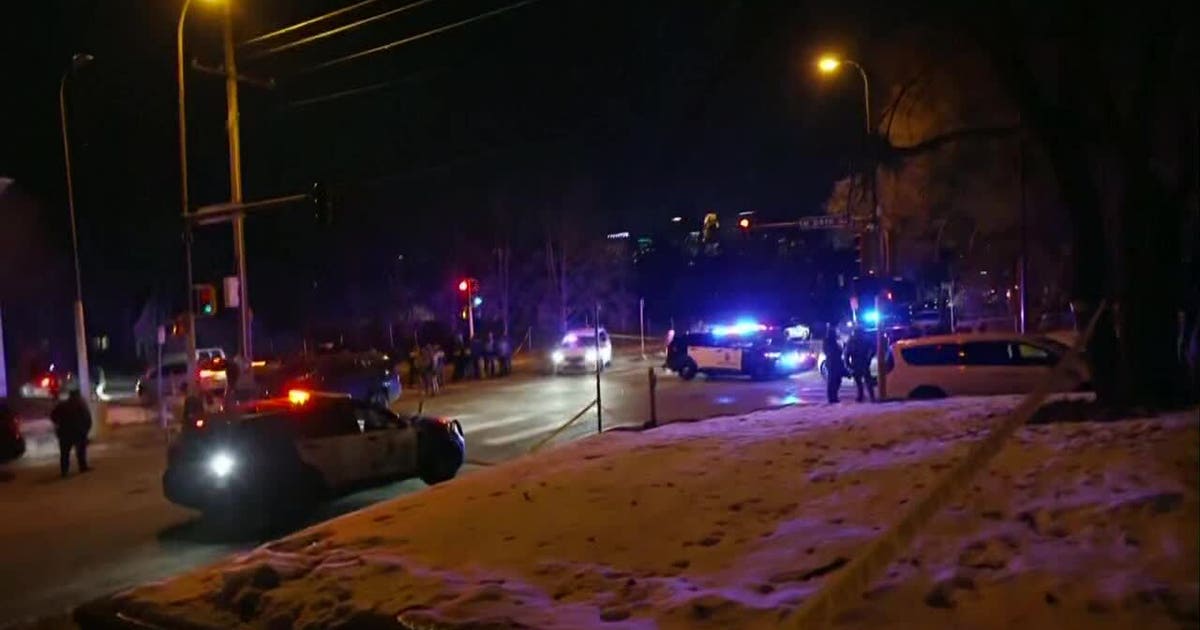
The crisp autumn air in north Minneapolis was pierced by the sharp crack of gunfire, a sound that would echo far beyond the immediate neighborhood. It was Wednesday night, and in the quiet moments of the evening, a Venezuelan man found himself in the crosshairs of federal agents, reportedly shot by officials from Immigration and Customs Enforcement (ICE).
This incident, unfolding in the heart of an American city, quickly sent ripples of unease and demand for answers through the community and beyond. It wasn’t just another statistic; it was a life altered, a confrontation with federal authority that ended in violence.
Unraveling the Threads of Surveillance
As the dust settled, the narrative began to weave itself around a more complex tapestry. Reports emerged linking the fatal shooting to the broader context of ICE’s monitoring activities in Minneapolis. The focus sharpened on the woman who was killed by an ICE agent just the week prior.
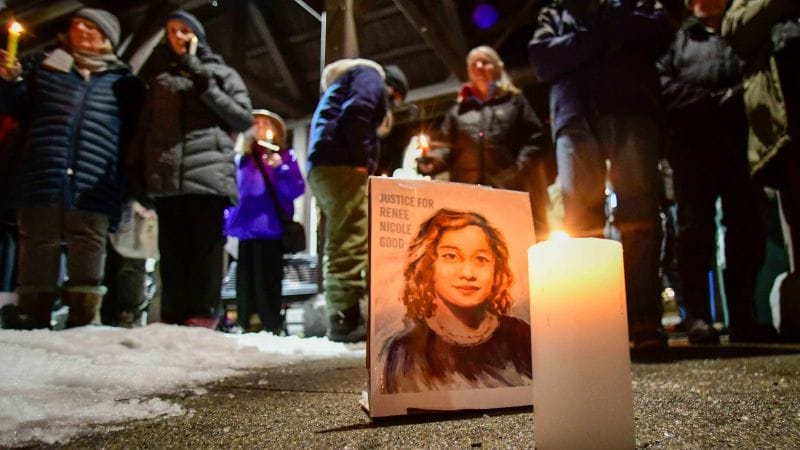
Her name was Renee Good, and her life, it turned out, was intricately connected to the very efforts that may have led to the Wednesday night shooting. Documents recently brought to light shed a stark illumination on her ties to ICE monitoring efforts, revealing a role that was far from passive.
A Mother’s Board Seat and a Dire Warning
Renee Good, it was revealed, served on the board of her son’s school. This seemingly ordinary role, one of parental involvement and community engagement, became a focal point. The school’s board, through its connection to Good, was linked to documents that urged parents to monitor ICE activities.
These documents carried a stark message, painting a picture of federal immigration enforcement that demanded vigilance. They spoke of a need for parents to be aware of ICE’s presence and actions, suggesting a climate of concern and a call to action within the community.
The Political Aftermath
The shooting and the subsequent revelations did not remain confined to local headlines. The incident quickly drew national attention, attracting commentary from political figures. One such voice came from a Republican representative from New York, who, after reviewing the information, suggested that the woman killed by the ICE agent seemed to have been at fault.
This assertion, made in the wake of the incident, added another layer to the unfolding story. It introduced a perspective that shifted some of the initial focus, suggesting a more complex scenario involving self-defense or justifiable force on the part of the federal agent.
A Venezuelan Man’s Encounter
The immediate circumstances surrounding the shooting of the Venezuelan man remained a critical point of inquiry. While initial reports indicated he was shot by federal officials, the precise details of the confrontation—what led to the use of force, the nature of the interaction—were still being pieced together by investigators.
The involvement of ICE, a federal agency tasked with enforcing immigration laws, in a shooting incident within a U.S. city, naturally raised questions about jurisdiction, protocols, and the escalation of events. The presence of federal law enforcement in such a direct, confrontational role within a community context is always a sensitive matter.
Broader Implications of Federal Surveillance
The events in Minneapolis serve as a stark reminder of the multifaceted and often contentious nature of federal law enforcement operations. The connection between Renee Good’s board membership, the school’s alleged dissemination of information about monitoring ICE, and the shooting of a Venezuelan national by federal agents paints a concerning picture.
It raises fundamental questions about the balance between national security interests, immigration enforcement, and the rights and freedoms of individuals and communities within the United States. The role of ICE, a powerful federal agency, in the everyday lives of citizens and residents, particularly in diverse urban environments, is a subject of ongoing debate.
Transparency and Accountability
As investigations into the shooting continue, the demand for transparency and accountability will undoubtedly grow. The public has a right to understand the full context of events that lead to the use of lethal force by government agents. This includes understanding the nature of the ICE monitoring efforts and the specific circumstances that led to the confrontation.
The recent documents shed light on a potential pattern of community-based awareness and caution regarding ICE activities. Whether these efforts directly contributed to the fatal encounter remains to be seen, but their existence points to a community actively engaged with and concerned about federal immigration enforcement.
A Family’s Grief, A City’s Concern
Behind the headlines and the political commentary lie individuals whose lives have been irrevocably changed. The family of Renee Good grapples with their loss, while the Venezuelan man who was shot faces an uncertain future. The community of Minneapolis, particularly the north side, is left to process the fear and uncertainty that such an incident can bring.
The intertwining of federal law enforcement actions with community advocacy and educational initiatives highlights the complex dynamics at play. It underscores the need for clear communication, robust oversight, and a commitment to de-escalation in all interactions involving law enforcement, especially those involving federal agencies with significant powers.
Looking Ahead
The Minneapolis ICE shooting is more than just a news event; it is a complex narrative with threads reaching into issues of immigration, surveillance, community relations, and the use of force by federal agents. The full story is still unfolding, with investigations ongoing and further details likely to emerge.
As the city and the nation await the conclusions of these investigations, the incident serves as a poignant reminder of the delicate balance between security and civil liberties, and the profound impact that federal actions can have on the ground, in communities across America.