The Shadow of the Threat Looms Over Pennsylvania Rally
The air at a recent political gathering felt thick with anticipation, but for some observers, a far darker specter had already arrived. On Wednesday, the already strained relationship between Washington and Tehran plunged into a dangerous new phase, characterized by direct, state-sponsored menace.
Iranian state television made a stark and chilling broadcast that targeted the sitting American President. The programming moved beyond mere diplomatic sparring, veering into the realm of explicit, targeted threats against the life of Donald Trump.
The Unmistakable Warning Broadcast
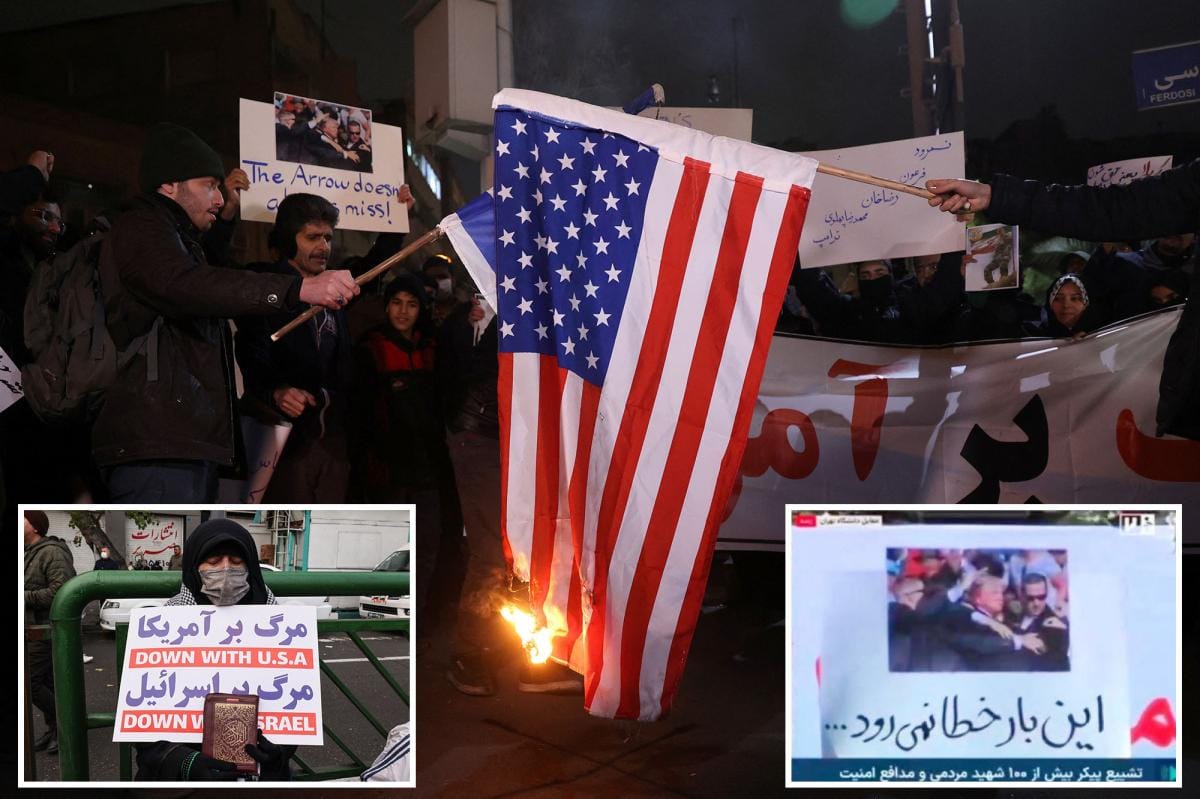
Iranian state media delivered a message heavy with menace, warning U.S. President Donald Trump that a potential future action against him would be definitive. The precise language cited in the broadcast carried a grim assurance: “this time; [the bullet] won’t miss;” escalating the rhetorical warfare between the two nations.
This aggressive posture was not confined to mere spoken word. Adding a visceral layer to the warning, Iranian state television accompanied its threat by broadcasting a photograph. This image, sources indicate, was chillingly linked to a recent Pennsylvania rally attended by the American leader, suggesting a direct line of sight or intent.
Escalation Amid Regional Tensions
The broadcast marks a significant tightening of rhetoric from Tehran. In the high-stakes environment of Middle Eastern politics, such direct threats emanating from official state channels are rarely seen as mere bluster. They often signal a hardening of official policy or a deliberate move to test international resolve.
Iran’s decision to publicly taunt and threaten President Trump on Wednesday by sharing such a pointed visual alongside the deadly promise signals a deliberate act of provocation. It fits into a broader pattern of increasing regional tensions, where every minor skirmish or diplomatic slight is magnified under the glare of international scrutiny.
Analyzing the Delivery Mechanism
The choice of Iranian state television as the delivery mechanism is critical. Unlike anonymous social media postings or statements from fringe groups, content aired on official state networks carries the weight of the regime. It functions as an official, albeit non-diplomatic, channel for communicating intent.
This move is designed to achieve several strategic objectives. Primarily, it aims to project strength and defiance toward the U.S. administration. Secondarily, it serves as a message to domestic and regional allies and adversaries about Iran’s willingness to engage in high-risk confrontation.
The specific reference to a Pennsylvania rally, while alarming, suggests an effort to demonstrate surveillance capabilities or at least an awareness of the President’s movements, regardless of how tenuous the physical link might be.
The Context of Retaliation and Precedent
This latest threat does not exist in a vacuum. It must be viewed against the backdrop of recent, high-profile antagonistic exchanges between the two nations. The historical context is fraught with instances of proxy warfare, targeted strikes, and heavily embargoed economies.
When a state actor issues a threat implying a previous failure must be corrected—by saying “this time it won’t miss”—it invokes past events where U.S. personnel or interests were targeted, or where Iranian actions were thwarted. It suggests a perceived imbalance that Tehran now seeks to rectify through explicit threat of violence.
For the international community, the chilling nature of the threat lies in its specific focus on assassination. This crosses a widely recognized red line in international statecraft, moving beyond sanctions or naval posturing into direct physical jeopardy for a world leader.
The Human Element of Fear and Resolve
While geopolitical analysis often focuses on troop movements and economic data, the core of this story is the palpable fear injected into the security apparatus surrounding the American presidency. Every threat, especially one delivered with such chilling imagery, requires an immediate, comprehensive security review.
The rhetoric is designed to unsettle, to force a defensive posture, and to demonstrate the perceived vulnerability of the target. It is a psychological operation dressed in the guise of breaking news.
This strategy aims to show that Iran possesses the intent and perhaps the means to execute such a severe action, thereby forcing concessions or restraint from the U.S. side through the introduction of grave personal risk.
Global Ramifications and Security Posture
Events originating from Tehran carry immediate resonance far beyond the American continent. Global stability relies heavily on de-escalation mechanisms between major powers, and direct threats against a head of state severely compromise those mechanisms.
Allied nations monitor such exchanges closely, calculating how much diplomatic cover they can offer the U.S. while simultaneously managing their own delicate relationships with Iran and its regional partners. The risk of miscalculation escalates dramatically when threats are broadcast this openly.
Any perceived failure by the U.S. to respond forcefully could embolden Iran; conversely, an overreaction could inadvertently trigger the very conflict that both sides ostensibly wish to avoid.
The Need for Measured Response
The challenge for Washington now is crafting a response that acknowledges the severity of the threat without validating the tactic by escalating into a tit-for-tat exchange of threats. The diplomatic channels, however strained, must remain focused on preventing the rhetoric from spilling over into kinetic action.
Journalists covering these developments must walk a fine line: reporting the stark reality of the threat while avoiding the amplification of fear for its own sake. The facts—the broadcast, the image, the specific words—are crucial to understanding the current peril.
“When a state broadcaster moves from propaganda to explicitly promising that a bullet this time will find its mark, the calculus of international risk fundamentally shifts. The world holds its breath waiting for the next broadcast or the next tactical move.”
The chilling image shared from the Pennsylvania rally serves as a stark reminder that in modern confrontation, information itself is a weapon—one designed not just to inform, but to terrorize. The international community watches to see how President Trump and his administration navigate this period of unprecedented rhetorical aggression.