Trump Claims Halt to Iran Killings and Executions Amid Global Concern
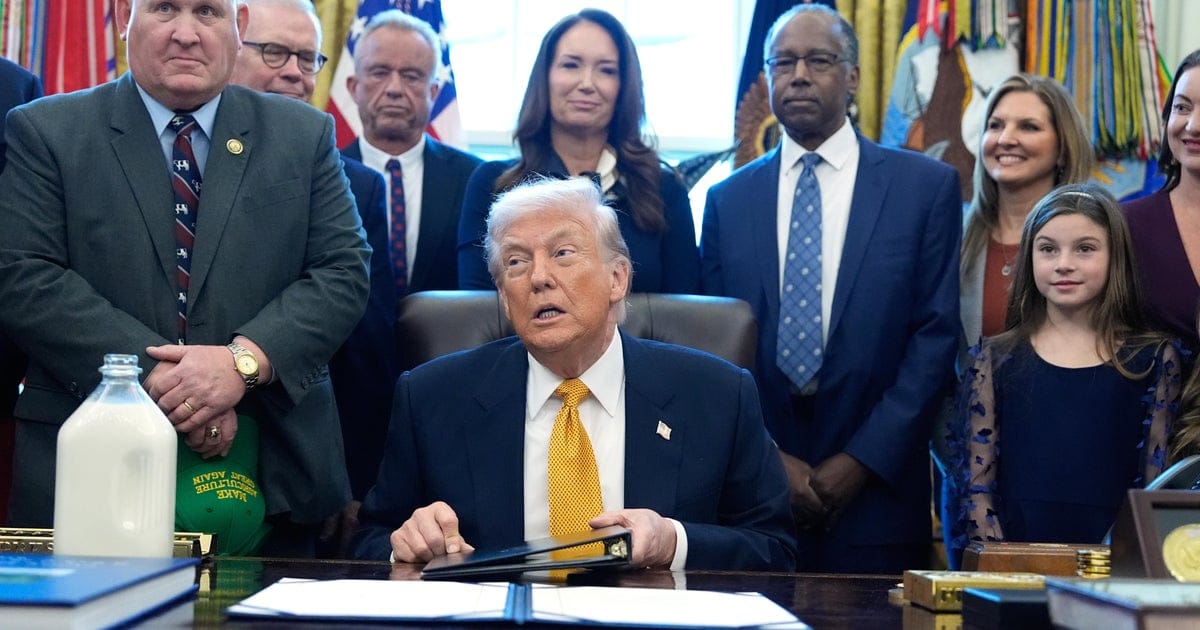
Washington – President Donald Trump announced Wednesday that, according to information he received from “good authority,” “killing in Iran is stopping” and there is “no plan for executions.” This statement from Washington comes amid heightened international concern regarding the fate of anti-government protesters in Iran, particularly reports of a detained individual facing severe penalties.
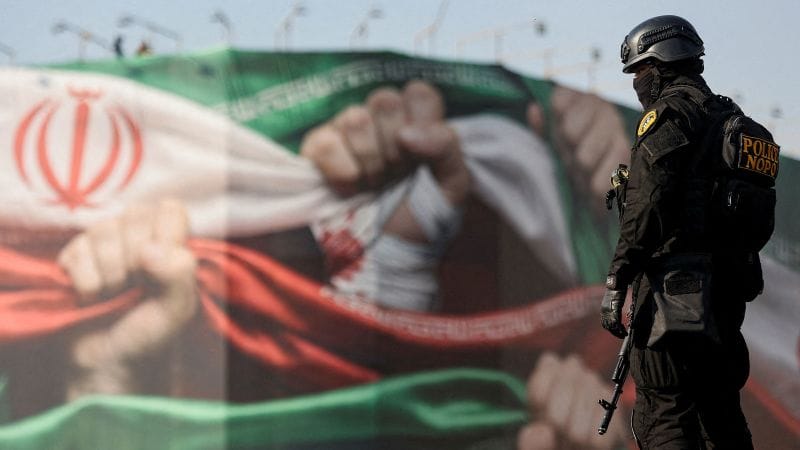
Trump’s explicit remarks, delivered this afternoon, directly addressed the global apprehension stemming from widespread reports and headlines about the harsh crackdown on dissent within the Islamic Republic. His pronouncement, “The killing has stopped. The executions…there’s no plan for executions,” offered a starkly different perspective compared to some prior international assessments.
Contrasting Reports and Persistent International Concerns
The President’s assertion stands in significant contrast to previous alarming reports that have dominated international news cycles. Earlier news wire headlines, for instance, spoke of a devastating situation, including reports indicating “more than 2,400 protesters killed in Iran” and specific warnings against the use of capital punishment as a tool of repression.
These prior reports have fueled a climate of international outcry and robust calls for Tehran to respect fundamental human rights and adhere to due process standards. The discrepancy between such dire accounts and President Trump’s optimistic update underscores the challenging and often opaque nature of reporting on internal affairs within Iran.
Details regarding the specific “good authority” cited by President Trump were not immediately provided or elaborated upon. Independent verification of such significant claims from within Iran, a nation known for its restrictive information environment and limited access for international observers and media, often proves exceptionally challenging, making the assessment of ground realities complex.
The President’s comments explicitly referenced the broader context of “fears for the fate of a detained anti-government protester.” While the specific identity of this individual or the exact charges they faced were not detailed in the President’s public remarks, their situation has evidently been a focal point for international advocacy groups and diplomatic discussions, highlighting a specific human rights concern.
The Broader Landscape of US-Iran Relations Under Trump
The Trump administration maintained a consistently confrontational and often unpredictable stance towards Iran throughout its tenure. A pivotal moment in this relationship was the unilateral withdrawal of the United States from the Joint Comprehensive Plan of Action (JCPOA) in 2018, commonly known as the Iran nuclear deal.
This withdrawal, which reversed a landmark international agreement, was swiftly followed by the re-imposition and escalation of stringent economic sanctions against Tehran. This “maximum pressure” campaign was designed to curb Iran’s nuclear ambitions, dismantle its ballistic missile program, and curtail its support for various regional proxy groups, which Washington viewed as destabilizing forces.
The policy created an environment of severe economic strain within Iran, leading to significant depreciation of its currency, rampant inflation, and widespread public dissatisfaction. This economic pressure has frequently been cited as a primary contributing factor to the numerous waves of domestic unrest and anti-government protests that have erupted across the country.
Direct diplomatic channels between the United States and Iran have historically been limited, particularly during periods of heightened tension and geopolitical antagonism. In such a strained environment, statements made by leaders, even those citing unspecified “good authority,” often serve as critical, albeit sometimes unverified, indicators of behind-the-scenes communications, intelligence assessments, or strategic messaging.
In the absence of robust and open official dialogue, public pronouncements from world leaders, such as President Trump’s Wednesday statement, can carry significant weight. They possess the power to influence international perceptions, generate market reactions, and profoundly affect the morale of both protesters and government supporters within Iran. However, the veracity, implications, and underlying motives of such statements are frequently subjected to intense scrutiny by analysts, diplomats, and media alike.
Human Rights and Internal Dissent in Iran: A Historical Perspective
Iran has a well-documented history of widespread anti-government protests, often triggered by a complex interplay of economic grievances, social restrictions, and perceived political repression. Major waves of dissent, including the Green Movement of 2009, the nationwide protests of 2017-18, and the fuel price protests of 2019, have consistently been met with significant and often forceful government responses.
These responses have included mass arrests, widespread internet shutdowns designed to disrupt communication and organization, and, tragically, the use of lethal force against demonstrators. The scale of casualties and detentions has often been a point of contention between Iranian authorities and international human rights organizations.
International human rights bodies and governments globally have consistently voiced deep concerns about Iran’s human rights record. Allegations frequently include arbitrary detentions, politically motivated arrests, unfair trials conducted by revolutionary courts, widespread allegations of torture, and the extensive use of capital punishment against dissidents and political prisoners.
The Iranian judicial system, particularly its revolutionary courts, has often been criticized for lacking transparency, failing to adhere to international standards of due process, and operating under the influence of political and ideological considerations rather than purely legal ones. This system has been a primary concern for international legal watchdogs.
Iran remains one of the world’s leading implementers of the death penalty. While specific statistics on its application against protesters and political prisoners vary and are frequently disputed by official sources, the very real threat of execution for individuals involved in anti-government activities or deemed a threat to national security remains a serious concern for international monitors and advocacy groups. Charges such as “enmity against God” (moharebeh) or “corruption on Earth” (efsad-fil-arz) are broadly defined and can carry the death penalty, having been applied to numerous individuals perceived as threats to the state.
During periods of internal unrest, the Iranian government exercises tight control over information flow. This includes state-controlled media, censorship of foreign news, and frequent internet blackouts or throttling of services. Such measures make it exceedingly challenging for independent media, international organizations, and human rights groups to accurately assess the true scale of protests, verify casualty figures, or obtain precise details of detentions and legal proceedings, leading to an environment rife with conflicting narratives.
Implications and Outlook for a Tense Region
For those engaged in or supporting the protest movement within Iran, President Trump’s statement, if ultimately verifiable and accurate, could offer a fleeting glimmer of hope regarding the immediate cessation of executions and violence. However, the broader, deeply entrenched context of state repression and the unverified nature of the claim likely mean that fears for their safety and future will persist.
Such a high-level statement also carries significant broader geopolitical implications. It could, for example, potentially signal a subtle shift in the dynamics of information warfare between the United States and Iran, or even hint at the existence of indirect back-channel communications, however tenuous, between the two adversarial nations. It underscores the profound complexity involved in interpreting diplomatic signals within a highly fraught bilateral relationship.
International bodies and human rights advocates are almost certain to continue pressing the Iranian government for greater transparency regarding the status of all detained protesters, the number of casualties resulting from recent unrest, and, crucially, adherence to fundamental international human rights standards. The global community remains watchful, actively seeking independent confirmation of any definitive halt in killings or executions.
The ongoing situation underscores the urgent need for a peaceful and just resolution to internal dissent in Iran and for open, verifiable reporting on human rights conditions within the country. While President Trump’s statement offers a particular perspective from Washington, the underlying and persistent concerns about freedom of expression, due process, and the rule of law in Iran remain central to the international discourse.
Moving forward, the international community, encompassing both political leaders and human rights organizations, will undoubtedly continue to monitor developments closely. Their focus will be on seeking concrete, independently verified evidence of the cessation of violence, the release of political prisoners, and a commitment by Iranian authorities to protect the fundamental rights of its citizens. The delicate balance of international pressure, diplomatic signaling, and on-the-ground realities will continue to shape the narrative surrounding Iran’s internal challenges.