Real Madrid Navigates Cup Challenges with Youthful Squad and New Leadership
Real Madrid is set to continue its quest for domestic silverware this Wednesday, January 14, as the club travels to face Albacete Balompié in the Round of 16 of the 2025/26 Copa del Rey. The fixture, traditionally one of the most unpredictable stages of the competition, marks a significant turning point for the club this season. With a kickoff scheduled for 17:00 (ARG; URU; CHI) and 15:00 (COL; PER; EC), the eyes of the footballing world will be on the Carlos Belmonte stadium as the Spanish giants attempt to secure a place in the quarter-finals.
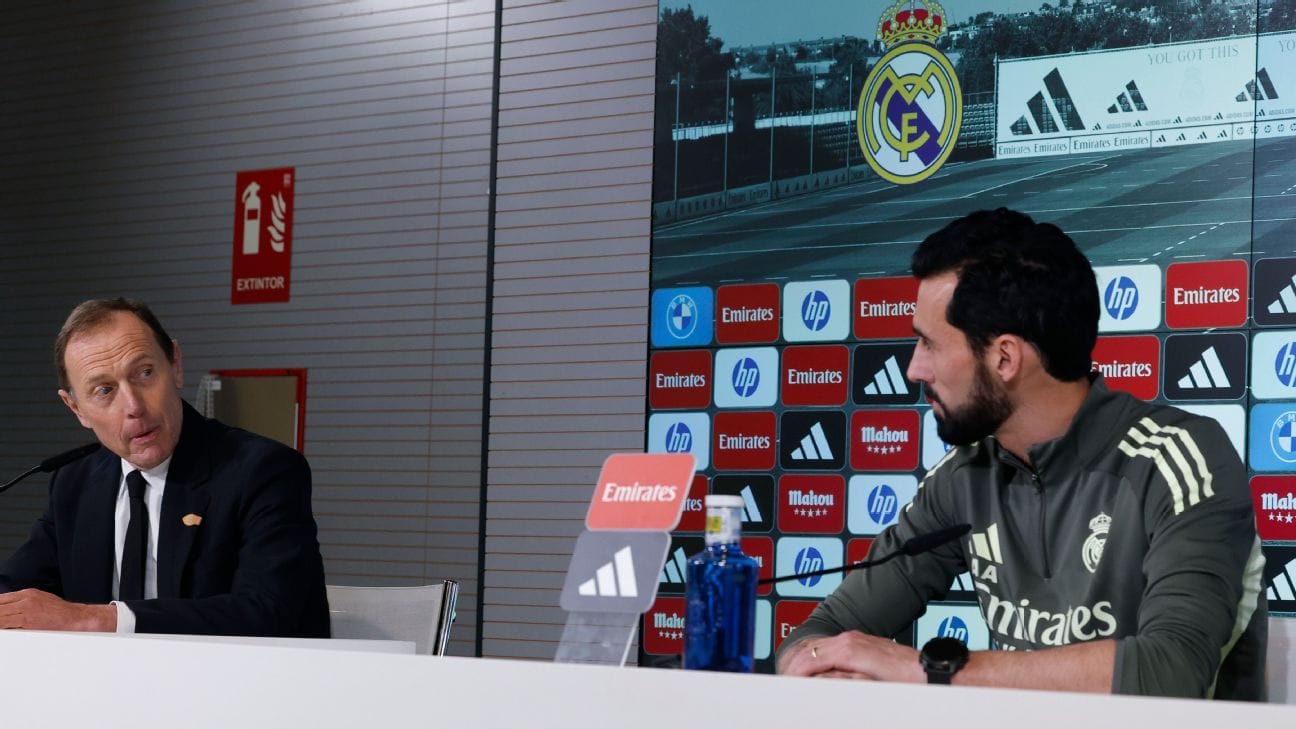
The match serves as the official debut for club legend Álvaro Arbeloa in a high-stakes managerial capacity for the first team. Arbeloa, who has spent the last few seasons honing his craft within the club’s youth academy, takes the reins at a time when squad management is paramount. His arrival at the helm for this fixture signifies the club’s long-term trust in its internal coaching structures and provides a bridge between the veteran core and the rising stars of ‘La Fábrica’.
The Strategy: Seven Rests and Seven Prospects
In a bold tactical move, the coaching staff has opted to rest seven primary starters, leaving several household names back in Madrid to recover from a grueling winter schedule. This decision is not merely about rotation but a calculated risk to maintain fitness for the upcoming stages of the Champions League and La Liga. By granting these veterans a hiatus, the club opens the door for the next generation of talent to prove their worth on a national stage.
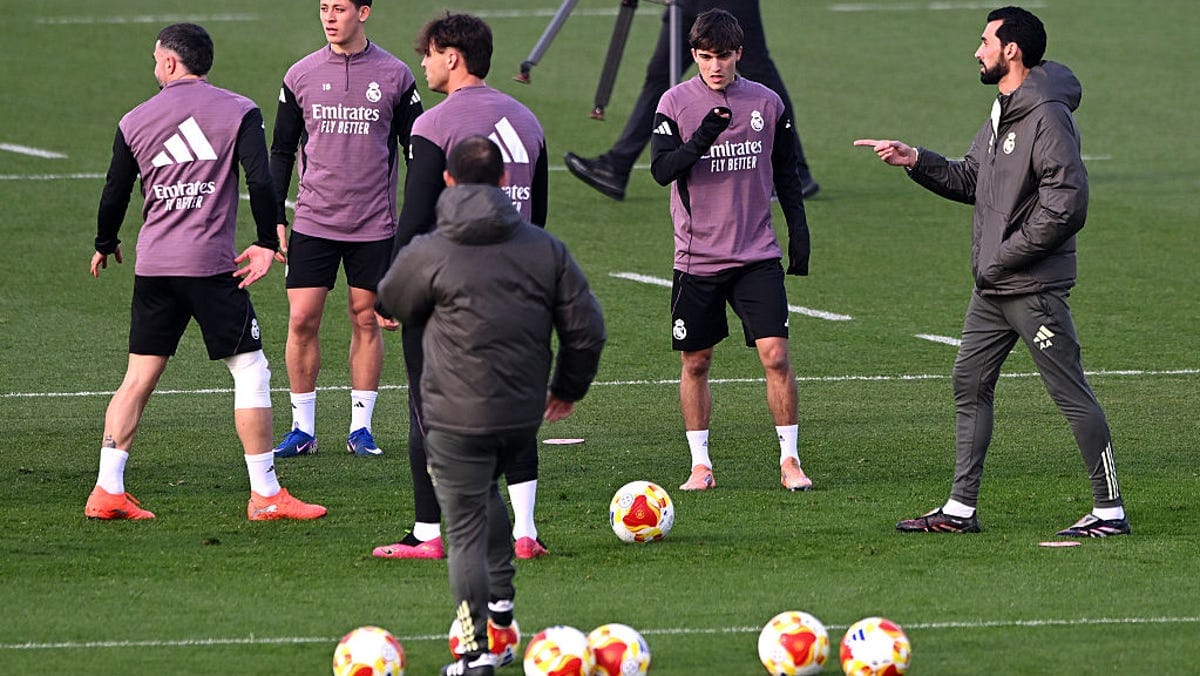
Accompanying the senior expedition are seven ‘canteranos’—standout performers from the Real Madrid Castilla and Juvenil A ranks. These youth players have been integrated into the first-team dynamic following a short 50-minute flight that landed the squad in Albacete earlier today. For many of these young athletes, this match represents the realization of a dream, though the pressure to perform in a knockout format remains immense. The narrative of ‘two broken dreams’ has already begun to circulate among local media, referring to the high stakes where any slip-up could end the aspirations of both the underdogs and the individual youth players fighting for a permanent spot.
Analyzing the Opponent: Albacete’s Home Fortress
Albacete Balompié enters this fixture with nothing to lose and everything to gain. Playing at the Carlos Belmonte provides the ‘Manchegos’ with a distinct psychological advantage. Historically, Real Madrid has found the early rounds of the Copa del Rey to be a minefield of potential upsets. The compact nature of the stadium and the fervor of the local support often act as a leveler against the technical superiority of the visiting side. Albacete’s tactical approach is expected to be disciplined and defensive, looking to exploit any lack of cohesion in a Madrid side that features so many new faces in the starting lineup.
“The Copa del Rey is a tournament of emotions. For Albacete, it is the game of the year. For us, it is a test of our depth and our identity,” noted club insiders prior to departure.
The Evolution of Álvaro Arbeloa
Arbeloa’s transition from a reliable ‘Spartan’ defender to a strategic mastermind has been closely watched by Madridistas. Having won every major trophy as a player, including the World Cup and the Champions League, he brings a winning mentality that is essential for a knockout tournament. His familiarity with the seven youth players included in the squad is his greatest asset; he has coached many of them during their developmental years, allowing for a level of tactical shorthand that would be impossible for an external manager.
This managerial debut is more than just a temporary assignment; it is an audition. The board of directors is keen to see how Arbeloa handles the nuances of a ‘trap game’—a match where the superior team is expected to win easily but faces a motivated opponent in difficult conditions. Success in Albacete would solidify his standing as a future successor to the first-team bench.
Contextualizing the Copa del Rey in the Modern Era
The Copa del Rey has undergone several format changes in recent years, designed to give smaller clubs a better chance at hosting the giants of Spanish football. This ‘single-match’ knockout format in the early rounds increases the volatility of the competition. For Real Madrid, a club with a trophy-laden history, the Cup has occasionally been an elusive prize compared to their dominance in Europe. This 2025/26 campaign is viewed as a vital opportunity to reclaim domestic dominance.
The integration of youth players in this competition is a tradition that dates back decades. Legends like Raúl and Iker Casillas often found their first tastes of first-team action in these cold January nights. The seven players selected for this trip are following in those illustrious footsteps, knowing that a standout performance against Albacete could change the trajectory of their professional careers forever.
Global Viewing and Impact
As the match kicks off on Wednesday, the global reach of Real Madrid ensures that millions will be tuning in from the Americas. The scheduling caters specifically to the Latin American market, where the club maintains its largest international fan base. From the streets of Bogotá to the stadiums of Buenos Aires, the performance of the ‘canteranos’ will be scrutinized by scouts and fans alike. In an era where the transfer market is increasingly expensive, the ability to promote from within—as evidenced by this squad selection—remains the most sustainable path to success for the world’s most valuable football club.