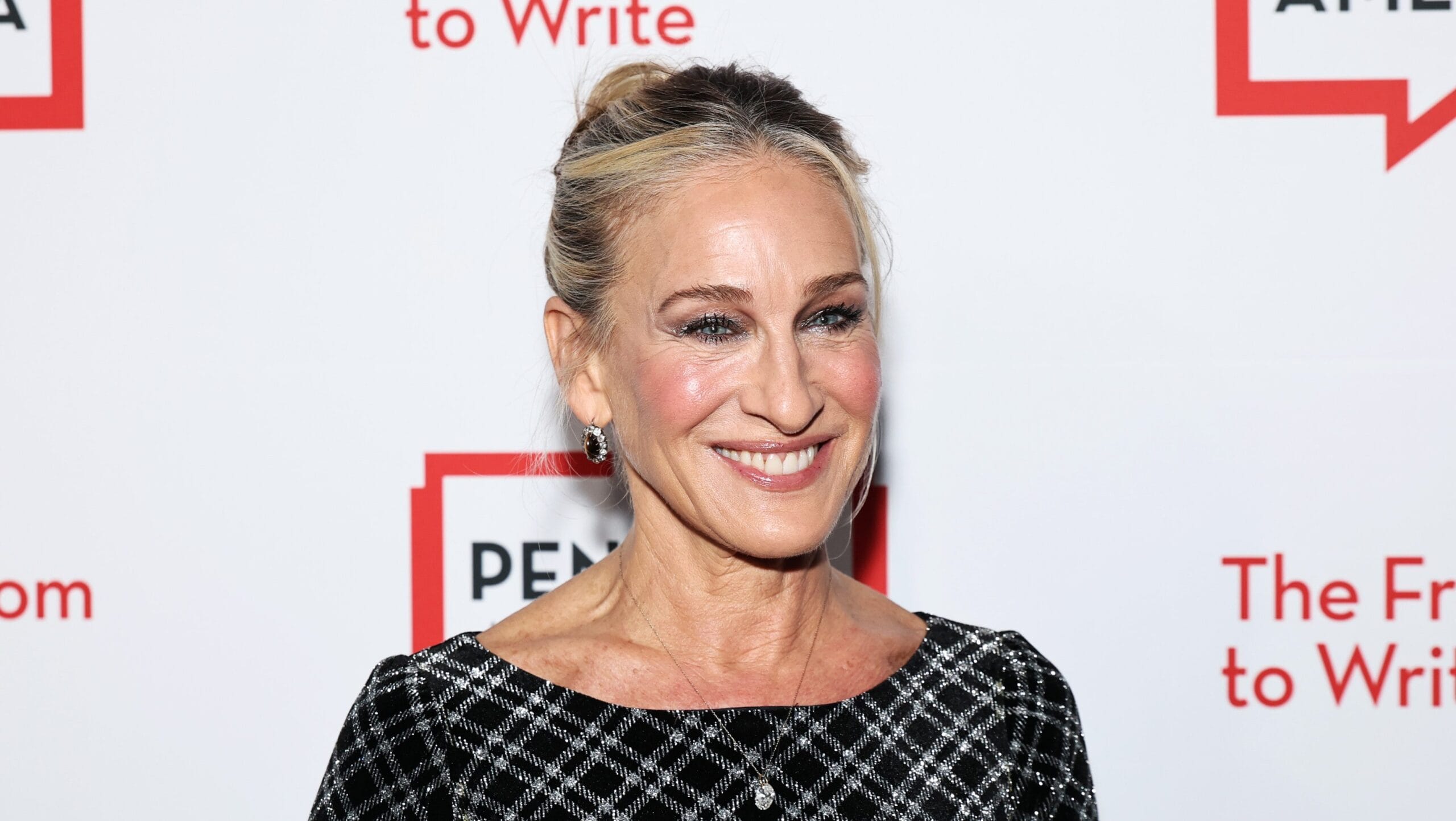
Lenz Therapeutics Launches Awareness Campaign with Sarah Jessica Parker as Ambassador
Lenz Therapeutics has announced the launch of its "Make It Vizzable" campaign, featuring actress Sarah Jessica Parker as its new brand ambassador. The initiative aims to raise awareness about age-related vision changes and the difficulties individuals face in maintaining clarity in their daily lives.
According to a report published by Reuters, the campaign’s launch, first detailed in PEOPLE magazine by Vanessa Etienne on January 14, 2026, includes an exclusive interview where Parker shares her personal experience with the condition. The actress revealed how a common age-related health issue almost interfered with her favorite pastime: reading.
A Personal Struggle with Clarity
Parker recounted an experience from approximately 15 years ago during a trip to Ireland. While trying to read a book before bed, she noticed a significant change in her vision. The actress described the onset of these difficulties, which are commonly associated with presbyopia, as "the biggest annoyance." This condition, which makes focusing on close-up objects increasingly difficult with age, often presents itself around a person’s mid-40s.
The campaign, spearheaded by Lenz Therapeutics, seeks to normalize discussions around this issue, which affects a vast portion of the global population over the age of 40. Parker’s willingness to share her anecdote highlights the challenge faced by many in balancing health changes with everyday activities and hobbies, such as reading or using digital devices.
Understanding Age-Related Vision Changes
The issue described by Sarah Jessica Parker—difficulty reading and focusing on close objects as she gets older—is a classic symptom of presbyopia, a condition that occurs as the eye’s natural lens stiffens and loses elasticity over time. It is a natural part of the aging process, not a disease, yet it can significantly diminish one’s quality of life if unaddressed.
Globally, presbyopia affects billions of people. As the world population ages, the prevalence of this condition continues to rise. It typically begins to manifest in people between the ages of 40 and 45, gradually worsening until about age 60, after which it tends to stabilize. For many, the first sign is needing to hold reading material at arm’s length to see clearly, often in low light conditions.
The Impact on Daily Life and Mental Well-being
While often perceived as a minor inconvenience, the impact of presbyopia extends beyond a simple need for reading glasses. The difficulty in performing close-up tasks can affect work productivity, especially in professions requiring detailed near vision, such as in art, medicine, or technology.
The constant struggle to focus, coupled with eye strain and headaches, can lead to frustration and a sense of losing independence. For individuals like Parker, for whom reading is a cherished pastime, the condition can create a barrier to enjoyment and relaxation. This mental strain often goes unnoticed, making awareness campaigns like "Make It Vizzable" crucial for destigmatizing the condition and encouraging early intervention.
The Role of Celebrity Advocacy in Health Awareness
Sarah Jessica Parker’s involvement as a brand ambassador for Lenz Therapeutics holds significant weight. As a prominent figure recognized globally for her work on television and film, her public discussion of personal health issues encourages others to seek help and reduces the stigma associated with aging and vision impairment. Her candor about her experience in Ireland and describing the issue as "the biggest annoyance" provides a relatable narrative for millions experiencing similar symptoms.
Celebrity endorsement in health campaigns has historically proven effective in driving public discourse and patient education. By sharing her story, Parker helps shift the perspective on presbyopia from an inevitable decline to a manageable condition that can be treated with appropriate solutions, allowing individuals to continue engaging fully in their lives and hobbies.
Advancements in Presbyopia Treatment
The primary treatment for presbyopia for many decades has been corrective lenses, including reading glasses, bifocals, and progressive lenses. These traditional methods provide effective solutions for many but can sometimes be seen as cumbersome or challenging to adapt to. The introduction of progressive lenses, in particular, offered a solution for seamlessly transitioning between different focal distances, though they still require adaptation for some users.
More recently, significant advancements have been made in pharmacological treatments. Pharmaceutical companies like Lenz Therapeutics are developing innovative solutions, including eye drops designed to temporarily improve near vision by altering the pupil size or improving the accommodation ability of the lens. These developments offer new possibilities for individuals seeking alternatives to traditional eyewear.
Surgical options, such as refractive lens exchange and corneal inlays, also present long-term solutions for individuals wishing to reduce their dependence on glasses or contact lenses. The increasing variety of treatment options underscores the need for greater public awareness, ensuring that individuals are aware of all available choices when managing age-related vision changes. The "Make It Vizzable" campaign aims to be a part of this educational effort, connecting patients with information about emerging therapies and traditional solutions.
Lenz Therapeutics and the Future of Vision Care
Lenz Therapeutics, by focusing on a condition that affects nearly half of the global population over 40, positions itself at the forefront of a major market segment. The company’s efforts to raise awareness through high-profile campaigns reflect a larger trend in healthcare marketing, where patient education and direct-to-consumer communication are prioritized. The selection of Sarah Jessica Parker, an icon known for her sophisticated and relatable public persona, aligns with the goal of reaching a broad audience with a message of proactive health management rather than resignation to age-related decline.
The campaign’s focus on "vizzable" solutions suggests an emphasis on practical and effective ways to restore clarity to daily life, allowing individuals to continue enjoying activities like reading without frustration. As technological advances continue to provide new avenues for vision correction, campaigns of this nature will play a vital role in connecting people with solutions and improving overall well-being in an aging population.