SCOTUS Hears Arguments on Transgender Athlete Bans Amid Tense Atmosphere
WASHINGTON – The U.S. Supreme Court on Tuesday convened for a marathon session to hear arguments concerning the legality of state-level bans on transgender women and girls participating in women’s sports. The hearing, described by sources as a critical turning point in the ongoing national culture war, took place under extraordinary security measures, including trained military snipers positioned on the roof of the courthouse, reflecting the high stakes and deep divisions surrounding the issue.
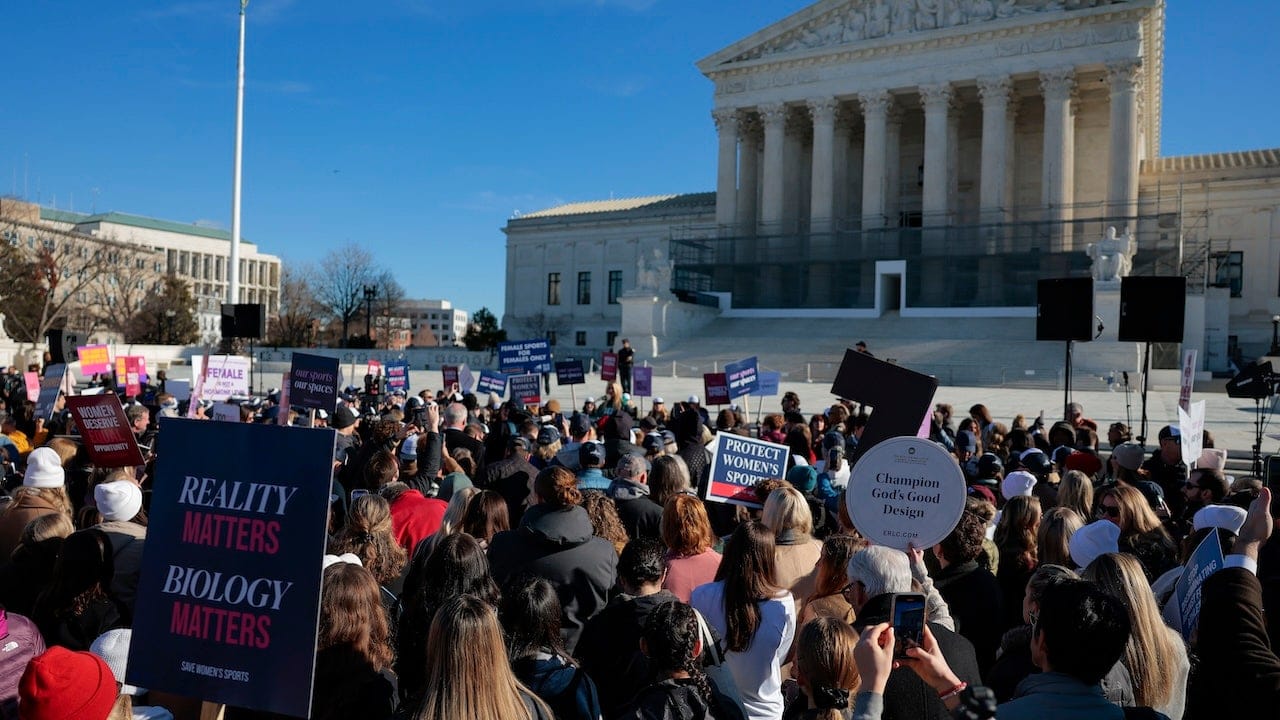
The atmosphere surrounding the court was charged with tension as opposing factions gathered. A significant verbal battle unfolded on the grounds between an alliance of advocates for traditional views on gender and a coalition supporting transgender rights. The former group included women wearing shirts that explicitly read “XX-XY,” a clear reference to biological sex chromosomes, advocating for policies that separate sports categories based on biological sex assigned at birth. This demonstration highlighted the core argument presented to the court: the conflict between protecting the opportunities of cisgender women and ensuring the inclusion of transgender women.
The Legal Showdown: Title IX and the Culture War
While the specific case name or state in question was not fully detailed in available reports, the core issue before the justices centered on whether state laws barring transgender women from competing in women’s sports violate federal statutes, specifically Title IX of the Education Amendments of 1972. Title IX prohibits discrimination based on sex in any education program or activity receiving federal financial assistance. The central legal question is whether “sex” in this context refers strictly to biological sex or includes gender identity.
This case is a direct result of a legal conflict that has escalated rapidly across the United States. In recent years, more than 20 states have enacted legislation restricting transgender athletes, particularly transgender women, from competing in sports categories corresponding to their gender identity. These laws often cite concerns about competitive fairness, arguing that transgender women retain physical advantages gained during male puberty that create an uneven playing field for cisgender female athletes.
Opponents of these bans argue that they constitute discrimination based on gender identity, violating both Title IX and the Equal Protection Clause of the Fourteenth Amendment. They maintain that excluding transgender athletes is harmful, discriminatory, and fails to recognize their identity. The debate has become a central part of the broader political and social discourse regarding LGBTQ+ rights in America.
Justices Look Ahead to Future Controversies
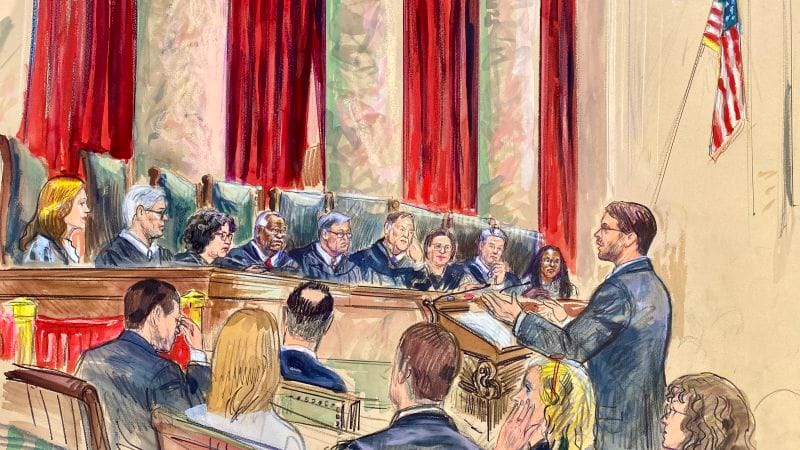
During the intense oral arguments, some justices, including Justices Brett Kavanaugh and Chief Justice John Roberts, demonstrated a focus not just on the immediate case, but on the potential future implications and broader legal landscape surrounding gender identity. According to sources monitoring the hearing, both justices appeared to be looking ahead to “the next major transgender controversy,” suggesting they view this specific case as part of a larger, evolving legal conflict rather than a definitive resolution.
The Supreme Court’s eventual ruling in this case is highly anticipated and could have far-reaching effects. If the Court upholds the state bans, it would significantly limit the scope of protections for transgender individuals under Title IX. Conversely, if the Court strikes down the bans, it would bolster arguments for inclusion and potentially open the door to further legal challenges on related issues, such as access to gender-affirming care or bathroom facilities. The justices’ forward-looking comments suggest a recognition that this debate will continue regardless of the outcome of this specific case.
Background: The Evolution of Transgender Rights and Sports
The legal and cultural conflict over transgender athletes is relatively new in the mainstream, but it builds upon decades of evolving understandings of gender identity and legal protections. The Supreme Court’s 2020 decision in Bostock v. Clayton County, which ruled that discrimination based on sexual orientation or gender identity constitutes discrimination ‘because of sex’ under Title VII of the Civil Rights Act, significantly shifted the legal landscape. While Bostock dealt with workplace discrimination (Title VII), its application to education and sports (Title IX) has been hotly debated ever since.
For proponents of the bans, the core issue often boils down to a conflict of rights: the right of cisgender women to have fair athletic competition versus the right of transgender individuals to participate fully in public life according to their gender identity. The “XX-XY” shirts worn by protesters at the hearing encapsulate this specific focus on biology as the deciding factor in competition.
Conversely, advocates for inclusion emphasize that participation in sports is vital for physical and mental health and that excluding transgender athletes amounts to a denial of fundamental human dignity. They point out that various international sports bodies and medical organizations have adopted policies that allow transgender athletes to compete under specific guidelines, often involving hormone therapy requirements, seeking a middle ground between fairness and inclusion.
The Political Context and National Implications
The Supreme Court hearing occurred in a deeply polarized political environment where transgender rights have become a wedge issue. Many of the state laws being challenged were passed largely along partisan lines, with Republican-controlled legislatures pushing for restrictions and Democratic-led states generally favoring inclusion. The presence of heightened security, including military snipers, underscores the perceived threat and intensity of feeling on both sides of the issue.
The court’s decision will not only determine the legality of existing state bans but will also likely guide future policy development at the federal level and in educational institutions nationwide. The ruling on this case will represent a major landmark in the ongoing legal and social debate over gender identity in the United States, shaping the future of competitive sports for all athletes.