Federal Prosecutors Resign Amid Government Protests
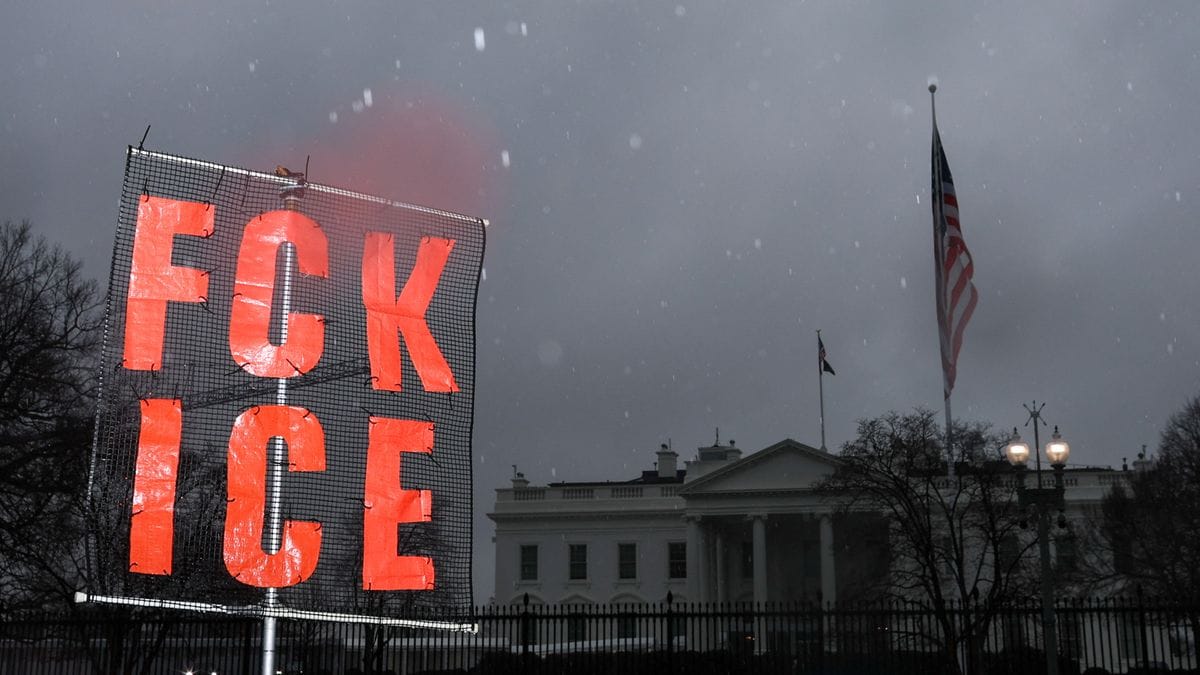
A wave of resignations has hit the U.S. Department of Justice, with several federal prosecutors stepping down from their positions in Washington and Minnesota. Media reports indicate these departures are a direct protest against the policies and actions of President Donald Trump’s administration.
The resignations specifically affect the Civil Rights Division, a critical department responsible for enforcing federal civil rights laws. While the exact number and specific reasons for each prosecutor’s departure are not yet fully detailed, the timing suggests a coordinated dissent within the legal ranks.
Nationwide Demonstrations Escalate Following Minneapolis Incident
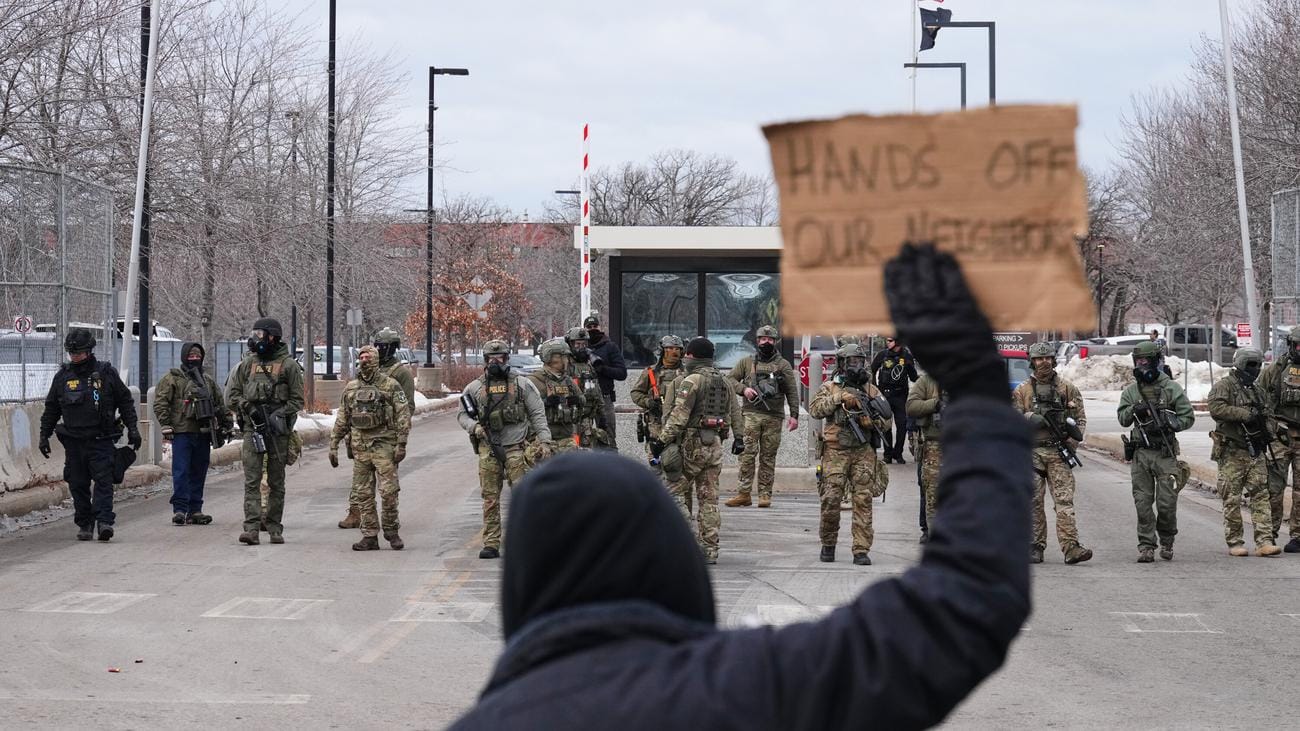
The resignations coincide with a surge in nationwide protests. In Minneapolis, tens of thousands of people took to the streets on Saturday following the fatal shooting of a woman by an Immigration and Customs Enforcement (ICE) officer. The demonstration was part of larger, country-wide unrest.
Minneapolis Mayor Jacob Frey issued a stern warning to demonstrators, cautioning them against falling for President Trump’s “bait.” This statement appears to address escalating tensions between federal authorities and protesters, highlighting the divisive political climate.
Background of Federal Prosecutor Roles
Federal prosecutors, also known as U.S. Attorneys, are the chief law enforcement officers responsible for prosecuting federal crimes in their respective judicial districts. They are appointed by the President and confirmed by the Senate. Their role is to uphold federal law, investigate criminal activity, and represent the government in court.
The Civil Rights Division of the Department of Justice is tasked with enforcing federal statutes that prohibit discrimination and protect the rights of individuals. This includes matters related to voting rights, employment discrimination, police misconduct, and hate crimes. Resignations from this division can signal profound disagreements over the administration’s approach to civil liberties and justice.
The Minneapolis Shooting and its Fallout
The fatal shooting by an ICE officer in Minneapolis has become a focal point for protests, drawing parallels to other incidents of police and federal agent-involved shootings that have sparked national outrage. The specific circumstances surrounding the shooting are under investigation.
ICE, a federal agency, is responsible for enforcing U.S. immigration laws. Its actions, particularly concerning deportations and enforcement operations, have been a subject of controversy and protest throughout the Trump administration.
Political Climate and Protest Movements
The resignations and protests reflect a period of intense political polarization in the United States. President Trump’s administration has often been characterized by its assertive policies on immigration, law enforcement, and civil rights, which have drawn both strong support and fierce opposition.
Nationwide demonstrations have become a recurring feature of American politics, addressing issues ranging from racial justice and police brutality to environmental concerns and government policies. The current unrest appears to be a multifaceted response to both specific incidents and broader dissatisfaction with the direction of the country under the current leadership.
Mayoral Warning Amidst Rising Tensions
Mayor Frey’s warning to protesters in Minneapolis underscores the delicate balance between the right to peaceful assembly and maintaining public order. His use of the word “bait” suggests a belief that the administration may be seeking to provoke confrontations to justify a stronger federal response.
This dynamic is playing out across the country, with federal agents being deployed to cities experiencing protests, leading to clashes and accusations of overreach. The situation highlights the complexities of managing civil unrest in a highly charged political environment.
Broader Implications for the Justice System
The resignations of federal prosecutors, especially from the Civil Rights Division, could have significant long-term implications. It raises questions about morale within the Department of Justice and the potential impact on the enforcement of civil rights protections. Such departures can also signal a crisis of conscience for legal professionals dedicated to upholding justice.
The incoming prosecutors, or those remaining, may face increased scrutiny and pressure. The administration’s approach to civil rights enforcement will be closely watched by advocacy groups and the public alike.
International Context and Comparisons
While these events are unfolding within the United States, they resonate globally. Many countries grapple with issues of government protest, immigration policies, and the role of law enforcement. The U.S. often serves as a benchmark for democratic freedoms and the rule of law, making its internal political struggles subjects of international interest.
The intensity of protests and the divisions within the justice system are being observed by international observers who study democratic resilience and the challenges faced by governments worldwide. The events in Minneapolis and the subsequent resignations add another layer to the ongoing narrative of American political turbulence.