
CONTEXTUAL ANALYSIS: Nestlé Expands Infant Formula Recall Amid Safety Concerns
SMA Infant Formula Recall Significantly Widened by Nestlé
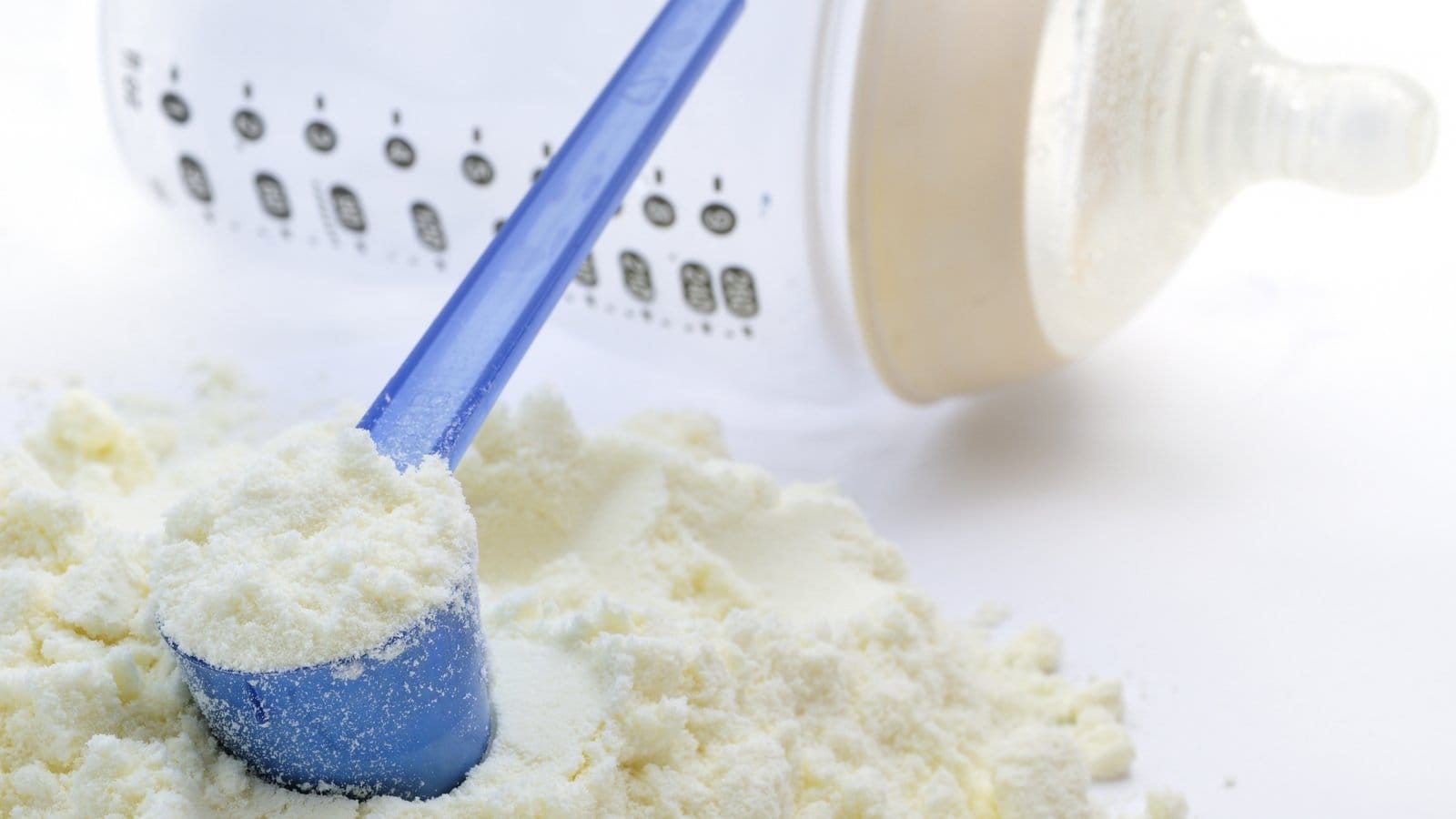
A major development in product safety has seen Nestlé, one of the world’s leading food and beverage companies, significantly expand a recall of its SMA infant formula and follow-on formula products. This widespread action comes in response to the detection of a potential toxin within various batches of these critical infant nutrition items. The recall underscores the stringent safety standards expected in the infant food industry and the rapid response required when potential risks emerge.
Initially launched as a precautionary measure, the scope of the recall has now been dramatically broadened, affecting nearly 80 batches of the SMA products. This expansion indicates an evolving understanding of the potential contamination or a wider distribution of the affected batches than initially presumed. Parents and caregivers are urged to pay close attention to official announcements and verify their products against the recalled batch numbers.
Why This Matters: The Criticality of Infant Nutrition Safety
The recall of infant formula products carries profound implications due to the unique vulnerability of its primary consumers: infants. For many babies, infant formula serves as the sole source of nutrition during their crucial developmental stages. Any contamination, particularly from a potential toxin, poses immediate and severe health risks to their delicate systems, which are still developing robust immune responses and detoxification mechanisms.
Beyond the direct health risks, such recalls profoundly impact parental trust and public confidence in product safety. Parents rely on manufacturers and regulatory bodies to ensure the absolute safety of the food they provide to their children. An incident involving a potential toxin in infant formula can generate widespread anxiety and uncertainty, influencing purchasing decisions and fostering a demand for greater transparency and accountability across the industry.
Furthermore, the economic and logistical burdens associated with a recall of this magnitude are considerable. For consumers, it means the inconvenience of checking products, returning them, and finding suitable, safe alternatives. For manufacturers like Nestlé, it involves immense costs related to logistics, investigation, disposal of affected products, and potential damage to brand reputation. The wider implications resonate through supply chains, retail networks, and public health systems.
Connecting to Broader Trends: Global Food Safety and Regulatory Frameworks
The Globalized Food Supply Chain and Its Vulnerabilities
This recall highlights the inherent complexities and vulnerabilities within our increasingly globalized food supply chains. Ingredients for infant formula products are often sourced from various countries, processed in others, and distributed across continents. This intricate web necessitates robust quality control at every stage, from raw material procurement to final product packaging and distribution.
A single point of contamination or a lapse in quality assurance at any stage can have far-reaching consequences, extending beyond national borders. The significant widening of the recall suggests a systemic issue that required extensive investigation to pinpoint its full extent. This interconnectedness underscores the need for international cooperation and harmonized standards in food safety surveillance and recall procedures.
Regulatory Vigilance and Manufacturer Accountability
Regulatory bodies worldwide, such as the Food and Drug Administration (FDA) in the USA, the European Food Safety Authority (EFSA), and numerous national health agencies, play a critical role in overseeing the safety of infant formula. These agencies establish stringent manufacturing practices, conduct inspections, and mandate testing protocols to prevent contamination. When incidents occur, they work in conjunction with manufacturers to ensure effective recalls and public communication.
Manufacturers bear the primary responsibility for the safety and quality of their products. This includes implementing comprehensive Hazard Analysis and Critical Control Points (HACCP) systems, conducting regular internal audits, and maintaining traceability records. A recall initiated by the company itself, as in this case with Nestlé, demonstrates an activation of these safety protocols, albeit after a potential issue has been identified. The scale of the recall emphasizes the importance of continuous improvement in these safety management systems.
Consumer Empowerment and Information Dissemination
In an era of instant information, effective communication during a product recall is paramount. Consumers, especially parents, need clear, concise, and timely information to make informed decisions about their children’s health. Official channels, including company websites, regulatory body announcements, and trusted news outlets, become crucial conduits for disseminating vital safety alerts and instructions.
The rapid spread of information, while beneficial for public safety, also presents challenges in managing misinformation and consumer panic. Thus, the accuracy and clarity of messaging from manufacturers and authorities are more critical than ever. This incident reinforces the trend of increasing consumer awareness and their expectation of full transparency from corporations regarding product safety issues.
A Look Ahead: Fortifying Infant Nutrition Safety and Trust
Innovations in Food Safety Technology and Traceability
Looking ahead, the industry is likely to continue investing heavily in advanced food safety technologies. This includes sophisticated testing methods capable of detecting contaminants at extremely low levels, as well as enhanced traceability systems utilizing technologies like blockchain. These innovations promise to provide real-time data on ingredient origins, processing environments, and distribution paths, allowing for quicker identification and isolation of affected products in future incidents.
The goal is to move towards more predictive and preventative safety measures, rather than purely reactive ones. By leveraging big data and artificial intelligence, manufacturers could potentially identify patterns and risks before they manifest as widespread contamination events. Such advancements are crucial for maintaining consumer trust in a highly sensitive product category like infant formula.
Evolving Regulatory Standards and Industry Collaboration
Recall events often serve as catalysts for re-evaluating and strengthening existing regulatory standards. It is plausible that this incident, given its scale and the involvement of a major player like Nestlé, could prompt regulators to review current testing protocols, manufacturing guidelines, and recall procedures. There may be a push for more harmonized international standards and greater collaboration among global regulatory bodies to address the challenges of complex supply chains.
Furthermore, industry-wide collaboration on best practices, data sharing regarding contamination risks, and joint research into food safety could become more prevalent. Companies understand that consumer trust in one brand can influence perception of the entire industry. Therefore, collective efforts to elevate safety standards benefit all stakeholders and, most importantly, protect the youngest and most vulnerable consumers.
Sustaining Consumer Confidence Through Transparency and Responsibility
Ultimately, the long-term impact of such a recall hinges on how effectively manufacturers and regulators restore and sustain consumer confidence. This requires not only robust safety measures but also unwavering transparency, clear communication, and demonstrated corporate responsibility. Providing comprehensive information about the root cause of the contamination, the steps taken to rectify it, and future preventative measures will be vital.
For Nestlé, this event underscores the enduring challenge of maintaining impeccable safety records across a vast product portfolio. For the broader public, it serves as a crucial reminder of the continuous vigilance required from both producers and consumers in ensuring the safety of essential products like infant formula. The commitment to safety must remain at the forefront of innovation and operational excellence to safeguard the health of future generations.

Photo by tung256 on Pixabay.